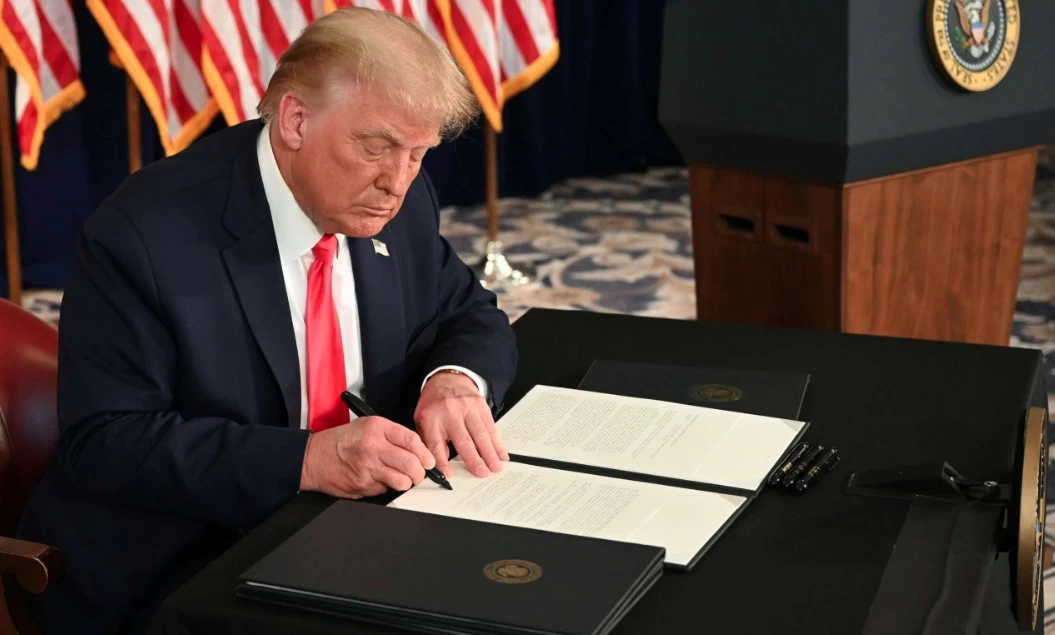
أصدر الرئيس الأمريكي دونالد ترمب أمراً تنفيذياً بتعليق تطبيق حزمة واسعة من العقوبات الاقتصادية والرسوم الجمركية الجديدة المفروضة على روسيا والدول المتعاملة معها في قطاع الطاقة، بعد أقل من شهر على توقيعه القانون الذي أقر هذه الإجراءات، مبرراً قراره بأنه يصب في المصلحة الوطنية للولايات المتحدة.
وجاء القرار الصادر (الجمعة)، قبل يومين من الموعد المحدد لبدء تطبيق بعض الإجراءات، في تحول لافت بموقف الإدارة الأمريكية من العقوبات الرامية إلى زيادة الضغوط الاقتصادية على موسكو بسبب استمرار الحرب في أوكرانيا.
وبحسب الأمر التنفيذي المنشور على الموقع الرسمي للبيت الأبيض، استخدم ترمب الصلاحيات الاستثنائية التي يمنحها له القانون لتعليق تنفيذ العقوبات والقيود والرسوم الجمركية المشمولة بالقرار، مع إبقاء إمكانية إعادة تفعيلها لاحقاً.
عقوبات أُقرت قبل أقل من شهر
وكان ترمب قد وقّع في 18 سبتمبر الماضي قانون «ليندسي غراهام لفرض العقوبات على روسيا وإيران لعام 2026»، الذي أقره الكونغرس الأمريكي بهدف تشديد الضغوط على الاقتصاد الروسي، وتقليص الموارد المالية التي تحصل عليها موسكو من صادرات الطاقة.
ويتضمن القانون إجراءات تستهدف قطاعات الطاقة والدفاع الروسية، إلى جانب الجهات التي تساعد موسكو على الالتفاف على العقوبات، وشبكات نقل النفط المرتبطة بما يُعرف بـ«أسطول الظل».
كما ينص على فرض رسوم جمركية وعقوبات على دول وشركات تواصل التعامل مع قطاع الطاقة الروسي وفق الشروط المحددة في القانون.
رسوم تصل إلى 500% على المنتجات الروسية
وتشمل الإجراءات التي جرى تعليق تطبيقها رسوماً جمركية إضافية بنسبة تصل إلى 500% على السلع المستوردة من روسيا، إلى جانب رسوم بنسبة 100% على واردات الولايات المتحدة من دول محددة تستورد النفط أو الغاز الروسي.
وتستهدف الرسوم الأخيرة، وفق القانون، أكبر خمس دول مستوردة للطاقة الروسية، وبعض الدول التي تواصل شراء النفط والغاز من موسكو بعد المواعيد المحددة، فضلاً عن الجهات التي تساعد على تجاوز العقوبات المفروضة على صادرات الطاقة الروسية.
وكان من شأن تطبيق هذه الإجراءات زيادة الضغوط على عدد من الشركاء التجاريين للولايات المتحدة، وفي مقدمتهم الصين والهند، اللتان تُعدان من كبار مستوردي النفط الروسي.
ترمب يستند إلى صلاحية الإعفاء
وأوضح البيت الأبيض أن ترمب استند إلى المادة 115 من القانون، التي تسمح للرئيس الأمريكي بإعفاء جهات أو معاملات من العقوبات والرسوم إذا رأى أن ذلك يخدم المصالح الوطنية للولايات المتحدة.
وأكد الأمر التنفيذي أن الرئيس قدم إلى الكونغرس شهادة رسمية تفيد بأن إصدار الإعفاءات في الوقت الراهن يتوافق مع المصلحة الوطنية، إلى جانب تقرير يوضح الأسس التي استند إليها القرار.
ولم يقدم النص المنشور للأمر التنفيذي تفسيراً تفصيلياً للأسباب الاقتصادية أو السياسية التي دفعت ترمب إلى استخدام هذه الصلاحية.
ونص القرار على استمرار الإعفاءات إلى حين اتخاذ الرئيس أو كبار المسؤولين المختصين قراراً بضرورة اتخاذ إجراءات إضافية.
مخاوف من ارتفاع أسعار الطاقة
ويأتي تعليق العقوبات في وقت تشهد فيه أسواق الطاقة العالمية تقلبات حادة وارتفاعاً في الأسعار، وسط مخاوف من اضطراب الإمدادات النفطية وتداعيات التوترات الجيوسياسية.
وكان ترمب قد أعلن خلال الأيام الماضية التوصل إلى تفاهم مع روسيا بشأن إمدادات الديزل، في خطوة قال إنها تهدف إلى المساهمة في خفض أسعار الوقود.
وأثار هذا التوجه انتقادات من مشرعين أمريكيين اعتبروا أن تخفيف القيود على صادرات الطاقة الروسية قد يوفر لموسكو موارد مالية إضافية تساعدها على مواصلة الحرب في أوكرانيا.
ويرى محللون أن تطبيق رسوم جمركية واسعة على الدول المستوردة للنفط الروسي كان قد يؤدي إلى زيادة التوترات التجارية ورفع تكاليف الطاقة، في وقت تواجه فيه الإدارة الأمريكية ضغوطاً داخلية بسبب ارتفاع الأسعار.
انتقادات داخل الكونغرس
وأثار القرار اعتراضات من أعضاء في الكونغرس، بينهم النائب الديمقراطي دون باير، الذي اتهم ترمب بالتراجع أمام الرئيس الروسي فلاديمير بوتين وتقويض الهدف الأساسي من التشريع.
واعتبر باير أن تعليق العقوبات يتعارض مع توجه الكونغرس الرامي إلى زيادة الضغوط على موسكو بسبب حربها في أوكرانيا، داعياً إلى مراجعة القانون بما يضمن تنفيذ أهدافه.
وكان التشريع قد حظي بتأييد واسع من الحزبين الجمهوري والديمقراطي، باعتباره أداة لتعزيز العقوبات على الاقتصاد الروسي والجهات التي تساهم في تمويله.
العقوبات السابقة لا تزال سارية
ورغم تعليق الحزمة الجديدة، أوضح الأمر التنفيذي أن القرار لا يمس العقوبات والإجراءات الأمريكية السابقة المفروضة على روسيا بموجب أوامر تنفيذية أخرى.
ويعني ذلك أن الإعفاءات الحالية لا تمثل رفعاً شاملاً للعقوبات الأمريكية على موسكو، وإنما تعليقاً لتطبيق إجراءات إضافية نص عليها القانون الذي أُقر في سبتمبر الماضي.
كما كلّف القرار جهات أمريكية، بينها وزارات الخارجية والخزانة والطاقة ومكتب الممثل التجاري، بمواصلة مراقبة مشتريات النفط والغاز الروسي، ورصد الدول التي تساعد على الالتفاف على العقوبات.
وبذلك تحتفظ الإدارة الأمريكية بإمكانية إعادة تفعيل الرسوم والعقوبات الجديدة إذا قررت أن التطورات السياسية أو الاقتصادية تستدعي ذلك، فيما يبقى مستقبل هذه الإجراءات مرتبطاً بقرارات البيت الأبيض وتطورات الحرب في أوكرانيا وأسواق الطاقة العالمية.
U.S. President Donald Trump issued an executive order suspending the implementation of a broad package of economic sanctions and new tariffs imposed on Russia and countries dealing with it in the energy sector, less than a month after signing the law that enacted these measures, justifying his decision as being in the national interest of the United States.
The decision, issued (on Friday), came two days before the scheduled start of some measures, marking a notable shift in the U.S. administration's stance on sanctions aimed at increasing economic pressure on Moscow due to the ongoing war in Ukraine.
According to the executive order published on the official White House website, Trump used the extraordinary powers granted to him by law to suspend the implementation of the sanctions, restrictions, and tariffs included in the decision, while keeping the option to reactivate them later.
Sanctions Approved Less Than a Month Ago
Trump had signed on September 18 the "Lindsey Graham Act to Impose Sanctions on Russia and Iran for 2026," which was approved by the U.S. Congress with the aim of tightening pressure on the Russian economy and reducing the financial resources Moscow obtains from energy exports.
The law includes measures targeting the Russian energy and defense sectors, as well as entities that assist Moscow in circumventing sanctions, and oil transport networks associated with what is known as the "shadow fleet."
It also stipulates the imposition of tariffs and sanctions on countries and companies that continue to deal with the Russian energy sector under the conditions specified in the law.
Tariffs Up to 500% on Russian Products
The measures that were suspended included additional tariffs of up to 500% on goods imported from Russia, along with a 100% tariff on U.S. imports from specific countries that import Russian oil or gas.
The latter tariffs target, according to the law, the five largest countries importing Russian energy, as well as some countries that continue to purchase oil and gas from Moscow after the specified deadlines, in addition to entities that help circumvent the sanctions imposed on Russian energy exports.
Implementing these measures would have increased pressure on several of the United States' trading partners, primarily China and India, which are among the largest importers of Russian oil.
Trump Relies on Exemption Authority
The White House clarified that Trump relied on Article 115 of the law, which allows the U.S. president to exempt entities or transactions from sanctions and tariffs if he believes it serves the national interests of the United States.
The executive order confirmed that the president submitted to Congress an official certification stating that issuing exemptions at this time aligns with the national interest, along with a report detailing the basis for the decision.
The published text of the executive order did not provide a detailed explanation of the economic or political reasons that led Trump to use this authority.
The decision stipulated that the exemptions would continue until the president or senior officials deemed it necessary to take additional measures.
Concerns Over Rising Energy Prices
The suspension of sanctions comes at a time when global energy markets are experiencing sharp fluctuations and rising prices, amid concerns over disruptions in oil supplies and the repercussions of geopolitical tensions.
Trump had announced in recent days that an understanding had been reached with Russia regarding diesel supplies, in a move he said aims to help reduce fuel prices.
This approach has drawn criticism from U.S. lawmakers who believe that easing restrictions on Russian energy exports could provide Moscow with additional financial resources to continue the war in Ukraine.
Analysts believe that implementing broad tariffs on countries importing Russian oil could lead to increased trade tensions and higher energy costs, at a time when the U.S. administration is facing internal pressures due to rising prices.
Criticism Within Congress
The decision has sparked objections from members of Congress, including Democratic Representative Don Beyer, who accused Trump of capitulating to Russian President Vladimir Putin and undermining the primary goal of the legislation.
Beyer argued that suspending the sanctions contradicts Congress's intent to increase pressure on Moscow due to its war in Ukraine, calling for a review of the law to ensure its objectives are met.
The legislation had received broad support from both the Republican and Democratic parties, viewed as a tool to strengthen sanctions on the Russian economy and the entities that contribute to its funding.
Previous Sanctions Still in Effect
Despite the suspension of the new package, the executive order clarified that the decision does not affect previous U.S. sanctions and measures imposed on Russia under other executive orders.
This means that the current exemptions do not represent a comprehensive lifting of U.S. sanctions on Moscow, but rather a suspension of the implementation of additional measures specified in the law enacted last September.
The decision also tasked U.S. entities, including the Departments of State, Treasury, Energy, and the Office of the Trade Representative, with continuing to monitor Russian oil and gas purchases and tracking countries that assist in circumventing sanctions.
Thus, the U.S. administration retains the option to reactivate the new tariffs and sanctions if it determines that political or economic developments warrant such action, while the future of these measures remains tied to decisions from the White House and developments in the war in Ukraine and global energy markets.