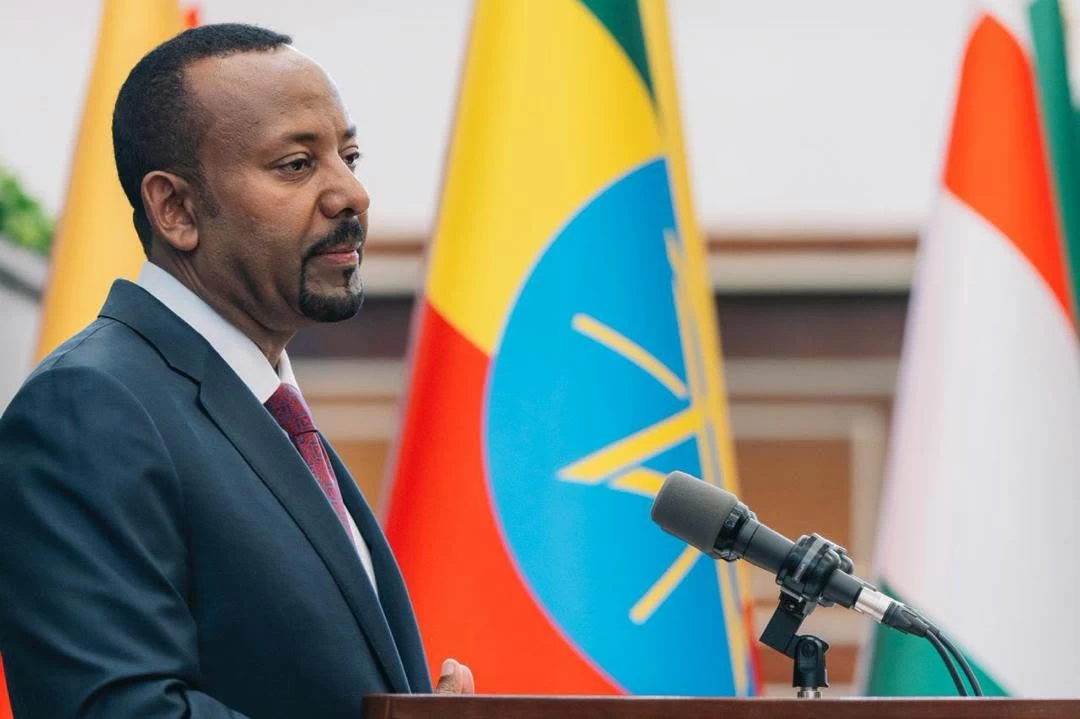
بدأ رئيس الوزراء الإثيوبي آبي أحمد ولاية ثانية على رأس الحكومة، بعد أن عيّنه مجلس نواب الشعب رئيسًا للوزراء وأدى اليمين الدستورية، في خطوة تتزامن مع تجدد تأكيد أديس أبابا أن الحصول على منفذ بحري يمثل أولوية وطنية، إلى جانب تمسكها بمشروع سد النهضة على النيل الأزرق.
وجاء تعيين آبي أحمد خلال الجلسة الأولى للسنة التشريعية الأولى للدورة البرلمانية السابعة، بعد الانتخابات الوطنية الأخيرة وتشكيل الحكومة الفيدرالية الجديدة، ليبدأ رسميًا ولاية ثانية تستمر خمس سنوات.
وفي أول خطاب له بعد أداء اليمين، تعهد آبي أحمد بأن تظل حكومته ملتزمة بحماية المصالح الوطنية الإثيوبية، وقال إن بلاده مستعدة لمواجهة ما وصفها بالتهديدات والأعمال العدائية الموجهة ضدها.
واستعاد رئيس الوزراء الإثيوبي في كلمته ملف سد النهضة، مشيرًا إلى الضغوط التي واجهتها بلاده خلال السنوات الماضية بسبب المشروع، وقال إن إثيوبيا «تعلمت من التجارب السابقة» وأعدت نفسها للتعامل مع التحديات التي تواجهها.
وأضاف أن بلاده تعرضت لضغوط خلال سعيها لتأكيد ما تعتبره حقها في استخدام مواردها المائية واستكمال بناء السد، مستعينًا بتشبيه قال فيه: «عندما شدونا بحبل طويل لمنعنا من إكمال سدنا، تعثرنا لكننا لم نسقط، ولن نسقط».
وتعكس هذه التصريحات استمرار تمسك الحكومة الإثيوبية بموقفها من سد النهضة، الذي دخل مرحلة التشغيل الكامل بعد سنوات من البناء والخلافات مع مصر والسودان بشأن قواعد الملء والتشغيل والتنسيق خلال فترات الجفاف.
وتؤكد أديس أبابا أن السد مشروع تنموي لتوليد الكهرباء ولا يستهدف الإضرار بدولتي المصب، بينما ترى القاهرة والخرطوم أن التشغيل الأحادي للسد وقواعد إدارة المياه في فترات الجفاف يمثلان مصدر قلق بشأن الأمن المائي، وتتمسكان بضرورة وجود اتفاق قانوني ملزم ينظم تشغيله.
لكن الرسالة الأكثر إثارة للانتباه في خطاب آبي أحمد ارتبطت بالبحر الأحمر، إذ جدد التزام حكومته بالعمل من أجل حصول إثيوبيا على منفذ بحري، ووضع الوصول الموثوق إلى البحر ضمن «أولوية وطنية رئيسية» للبلاد.
وقال رئيس الوزراء إن حكومته ستعمل على تحقيق هذا الهدف من خلال الحوار والمنفعة المتبادلة، مؤكدًا أن الوصول إلى البحر يرتبط برؤية إثيوبيا الاقتصادية والتنموية بعيدة المدى.
وتكتسب القضية حساسية خاصة لأن إثيوبيا أصبحت دولة حبيسة منذ استقلال إريتريا عام 1993، وتعتمد حاليًا بدرجة كبيرة على الموانئ في الدول المجاورة، وعلى رأسها جيبوتي، لتلبية حاجاتها التجارية.
وخلال السنوات الأخيرة، تحول ملف الوصول إلى البحر إلى أحد أبرز محددات السياسة الإقليمية الإثيوبية، بعدما طرح آبي أحمد مرارًا ضرورة حصول بلاده على منفذ بحري عبر ترتيبات تفاوضية مع دول المنطقة.
وتأتي بداية الولاية الثانية لآبي أحمد في توقيت شديد الحساسية إقليميًا، مع تجدد القتال في إقليم تيغراي وتصاعد التوتر بين إثيوبيا وإريتريا، بعدما قطعت أسمرة علاقاتها الدبلوماسية مع أديس أبابا في أعقاب إغلاق الأخيرة سفارتها في إريتريا وطرد دبلوماسيين إريتريين.
وتزامن ذلك مع عودة القوات الحكومية الإثيوبية إلى ميكيلي، عاصمة تيغراي، وسط مخاوف دولية من تحول المواجهات الجديدة إلى صراع أوسع في منطقة القرن الإفريقي والبحر الأحمر.
The Ethiopian Prime Minister Abiy Ahmed began his second term at the head of the government after being appointed by the House of Peoples' Representatives as Prime Minister and taking the oath of office. This step coincides with renewed assertions from Addis Ababa that obtaining a sea outlet is a national priority, alongside its commitment to the Grand Ethiopian Renaissance Dam on the Blue Nile.
Abiy Ahmed's appointment came during the first session of the first legislative year of the seventh parliamentary term, following the recent national elections and the formation of the new federal government, officially starting a second term that will last five years.
In his first speech after taking the oath, Abiy Ahmed pledged that his government would remain committed to protecting Ethiopian national interests, stating that his country is prepared to face what he described as threats and hostile actions directed against it.
The Ethiopian Prime Minister, in his speech, addressed the issue of the Grand Ethiopian Renaissance Dam, referring to the pressures his country has faced over the past years due to the project. He stated that Ethiopia "has learned from past experiences" and has prepared itself to deal with the challenges it faces.
He added that his country has faced pressures in its efforts to assert what it considers its right to utilize its water resources and complete the construction of the dam, using a metaphor in which he said: "When they pulled us with a long rope to prevent us from completing our dam, we stumbled but did not fall, and we will not fall."
These statements reflect the continued adherence of the Ethiopian government to its position on the Grand Ethiopian Renaissance Dam, which has entered a phase of full operation after years of construction and disputes with Egypt and Sudan regarding filling and operational rules and coordination during drought periods.
Addis Ababa asserts that the dam is a developmental project for electricity generation and does not aim to harm the downstream countries, while Cairo and Khartoum view the unilateral operation of the dam and the rules for managing water during droughts as a source of concern regarding water security, insisting on the necessity of a binding legal agreement to regulate its operation.
However, the most striking message in Abiy Ahmed's speech was related to the Red Sea, as he renewed his government's commitment to work towards Ethiopia obtaining a sea outlet, placing reliable access to the sea among the "main national priorities" for the country.
The Prime Minister stated that his government would work to achieve this goal through dialogue and mutual benefit, emphasizing that access to the sea is linked to Ethiopia's long-term economic and developmental vision.
The issue gains particular sensitivity as Ethiopia has become a landlocked country since Eritrea's independence in 1993, currently relying heavily on ports in neighboring countries, primarily Djibouti, to meet its trade needs.
In recent years, the issue of access to the sea has become one of the most prominent determinants of Ethiopian regional policy, as Abiy Ahmed has repeatedly raised the necessity for his country to obtain a sea outlet through negotiated arrangements with regional countries.
The beginning of Abiy Ahmed's second term comes at a highly sensitive regional time, with renewed fighting in the Tigray region and escalating tensions between Ethiopia and Eritrea, after Asmara severed diplomatic relations with Addis Ababa following the latter's closure of its embassy in Eritrea and the expulsion of Eritrean diplomats.
This coincided with the return of Ethiopian government forces to Mekelle, the capital of Tigray, amid international concerns that the new confrontations could escalate into a wider conflict in the Horn of Africa and the Red Sea.