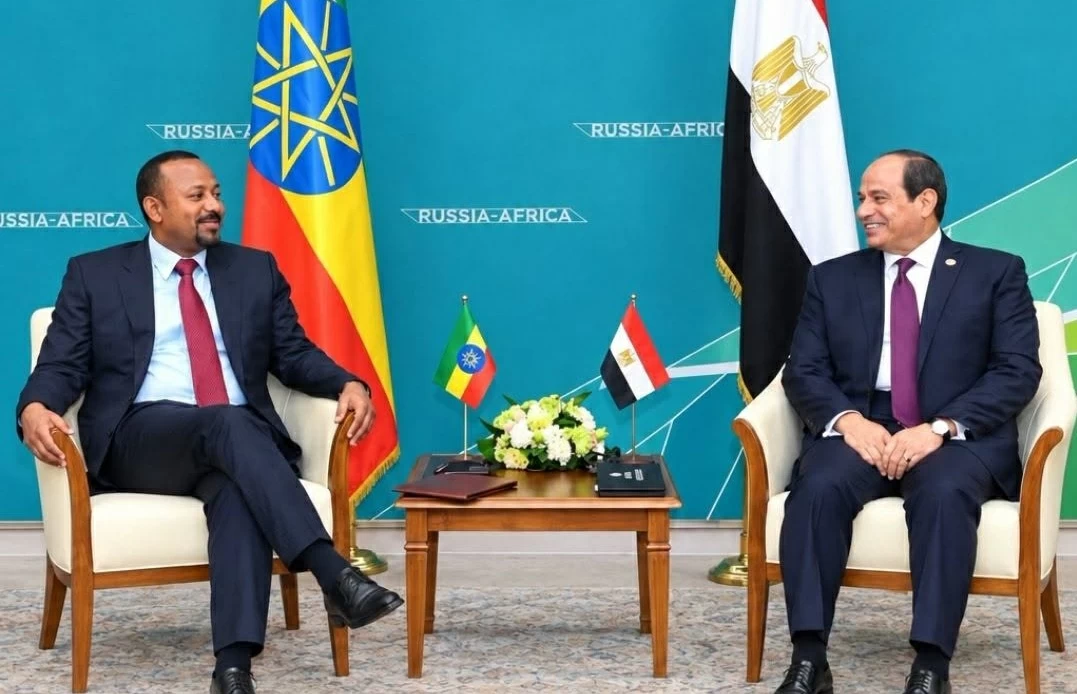
دخلت العلاقات المصرية الإثيوبية مرحلة جديدة من التصعيد، بعدما تحولت اتهامات إثيوبية للقاهرة بدعم قوات تقاتل الحكومة الفيدرالية في شمال البلاد إلى إجراء دبلوماسي مباشر، مع إعلان أديس أبابا دبلوماسياً مصرياً شخصاً غير مرغوب فيه، ورد القاهرة بالمثل، بالتزامن مع اتساع القتال في إقليم تيغراي وتدهور العلاقات الإثيوبية مع إريتريا.
وتعود بداية الأزمة الحالية إلى تجدد القتال في شمال إثيوبيا، حيث اندلعت مواجهات بين القوات الفيدرالية وقوات تابعة لتحالف مسلح تقوده جبهة تحرير شعب تيغراي، بعد فترة من الهدوء أعقبت اتفاق بريتوريا الذي أنهى الحرب السابقة في الإقليم عام 2022، حيث تقول تقارير دولية إن المواجهات الأخيرة تمثل أخطر تصعيد منذ انتهاء الحرب التي استمرت بين عامي 2020 و2022.
وفي خضم المعارك، اتهم قائد الجيش الإثيوبي، المشير برهانو جولا، إريتريا والسودان ومصر بدعم تحالف مسلح يقاتل القوات الحكومية، متحدثاً عن دعم خارجي للقوى المناهضة للحكومة في شمال البلاد، متهما إريتريا بتمويل جبهة تحرير شعب تيغراي، بينما ألمح إلى دعم من مصر والسودان، وهي اتهامات نفتها الدول المعنية.
القاهرة لم تدخل في سجال تفصيلي مع الاتهامات، لكنها أكدت موقفها المعلن من الأزمة، إذ شدد المتحدث باسم وزارة الخارجية المصرية نادر زكي على أن السياسة الخارجية المصرية تقوم على احترام سيادة الدول ووحدتها وسلامة أراضيها وعدم التدخل في شؤونها الداخلية، مؤكداً أن أي اتهامات تشكك في التزام مصر بهذه المبادئ "لا أساس لها".
وتكتسب هذه النقطة أهمية خاصة في ضوء تاريخ القاهرة مع أزمة تيغراي؛ فعندما توصلت الحكومة الإثيوبية وجبهة تحرير شعب تيغراي إلى اتفاق وقف الأعمال العدائية في بريتوريا عام 2022، رحبت مصر رسمياً بالاتفاق، وأعربت عن أملها في أن يقود إلى سلام دائم واستقرار في إثيوبيا، كما أشادت بدور الاتحاد الأفريقي في الوساطة بين الطرفين.
من الاتهامات إلى الإجراء الدبلوماسي
لم تتوقف الأزمة عند التصريحات العسكرية، إذ اتخذت أديس أبابا في الأول من أكتوبر خطوة دبلوماسية مباشرة بإعلان أحمد محرم أحمد سليمان، أحد أعضاء الطاقم الدبلوماسي المصري، شخصاً غير مرغوب فيه، ومنحه مهلة 48 ساعة لمغادرة البلاد.
واللافت أن الإخطار الرسمي الإثيوبي المنشور لم يذكر سبباً تفصيلياً للقرار، واكتفى بالإشارة إلى أن الخطوة اتُخذت وفق اتفاقية فيينا للعلاقات الدبلوماسية.
وجاء الرد المصري سريعاً وبالمثل، إذ أعلنت القاهرة اعتبار مستشار في السفارة الإثيوبية شخصاً غير مرغوب فيه، ومنحته مهلة 48 ساعة لمغادرة مصر، وفق مصدر مصري مطلع نقلت عنه وسائل إعلام مصرية.
ووصف المصدر القرار الإثيوبي بأنه "غير مبرر"، مؤكداً أن القاهرة تتمسك بمبدأ المعاملة بالمثل، مع التشديد في الوقت نفسه على رفض التدخل في الشؤون الداخلية للدول.
لماذا انفجرت الأزمة الآن؟
التصعيد المصري الإثيوبي لا يمكن فصله عن المشهد الأوسع في القرن الأفريقي؛ فالمواجهات الجديدة في تيغراي جاءت في وقت تشهد فيه العلاقة بين إثيوبيا وإريتريا تدهوراً حاداً، بينما لا تزال الحرب في السودان تلقي بظلالها على أمن المنطقة.
وفي الأول من أكتوبر أيضاً، أعلنت إثيوبيا إغلاق سفارتها في أسمرا وطرد عشرة دبلوماسيين إريتريين، متهمة إياهم بأنشطة تشكل تهديداً مباشراً لأمنها القومي. وردت إريتريا بقطع العلاقات الدبلوماسية مع إثيوبيا، في أخطر تصعيد بين البلدين منذ سنوات.
ويعود جزء من جذور التوتر الإثيوبي الإريتري إلى ملف الوصول إلى البحر الأحمر، إذ تسعى إثيوبيا، وهي دولة حبيسة، إلى تأمين منفذ بحري، فيما تنظر إريتريا بحساسية إلى أي تحرك إثيوبي يمكن أن يمس سيادتها أو مصالحها الساحلية. كما أن العلاقة بين البلدين تدهورت بعد حرب تيغراي، رغم أنهما كانا في السابق طرفين متحالفين ضد جبهة تحرير شعب تيغراي.
وبذلك وجدت مصر نفسها في قلب أزمة إقليمية أوسع، بعدما وضعتها التصريحات الإثيوبية إلى جانب إريتريا والسودان باعتبارها دولاً يُتهم بعضها بدعم أطراف تقاتل الحكومة الإثيوبية، في وقت تواجه فيه أديس أبابا صراعاً داخلياً متجدداً.
القاهرة: الأزمة إثيوبية في الأساس
وركز الموقف المصري الذي ظهر في التصريحات الرسمية والمواقف المنقولة عن مصادر مطلعة على نقطة أساسية: أن ما يجري داخل إثيوبيا يمثل أزمة داخلية، وأن تحميل أطراف خارجية مسؤولية التطورات لا ينبغي أن يصرف الانتباه عن أسباب الصراع داخل البلاد.
وفي هذا السياق، قال مصدر مصري مطلع إن الأزمة الحالية في إثيوبيا "أزمة داخلية ولا علاقة لمصر بها"، معرباً عن استغرابه من محاولة الزج بالقاهرة في التطورات الجارية.
وأضاف المصدر أن سياسة مصر الخارجية ترتكز على احترام سيادة الدول وعدم التدخل في شؤونها الداخلية والالتزام بحسن الجوار، مشيراً إلى أن القاهرة مستمرة في العمل على دعم الاستقرار والتعاون داخل القارة الأفريقية.
ويأتي هذا الموقف منسجماً مع ما أعلنته القاهرة سابقاً بشأن تيغراي، عندما دعمت اتفاق بريتوريا واعتبرت إنهاء الحرب واستعادة الاستقرار في إثيوبيا مصلحة للمنطقة بأكملها.
الاتحاد الأفريقي يدخل على خط الأزمة
ومع انتقال التوتر إلى المجال الدبلوماسي، دخل الاتحاد الأفريقي على خط الأزمة، إذ أصدرت مفوضية الاتحاد الأفريقي في الأول من أكتوبر بياناً أعربت فيه عن قلقها من تصاعد التوتر بين إثيوبيا وإريتريا ومصر.
ودعت المفوضية الدول الثلاث إلى ممارسة أقصى درجات ضبط النفس والامتناع عن أي إجراءات أو تصريحات يمكن أن تزيد التصعيد وتهدد السلام والاستقرار الإقليمي، كما شددت على ضرورة إبقاء قنوات الاتصال مفتوحة وحل الخلافات عبر القنوات الدبلوماسية والحوار السلمي.
غير أن القاهرة ترى أن التعامل مع التطورات يجب ألا يتحول إلى مساواة بين أزمة داخلية في إثيوبيا واتهامات غير مثبتة ضد دول الجوار، خصوصاً في ظل تأكيدها المتكرر عدم التدخل في الشؤون الداخلية للدول.
The Egyptian-Ethiopian relations have entered a new phase of escalation, after Ethiopian accusations against Cairo of supporting forces fighting the federal government in the north of the country turned into a direct diplomatic action, with Addis Ababa declaring an Egyptian diplomat as a persona non grata, and Cairo responding in kind, coinciding with the widening fighting in the Tigray region and the deterioration of Ethiopian relations with Eritrea.
The current crisis traces back to the renewed fighting in northern Ethiopia, where clashes erupted between federal forces and forces belonging to an armed coalition led by the Tigray People's Liberation Front, following a period of calm after the Pretoria Agreement that ended the previous war in the region in 2022. International reports indicate that the recent clashes represent the most serious escalation since the end of the war that lasted from 2020 to 2022.
In the midst of the battles, the Ethiopian army chief, Marshal Berhanu Jula, accused Eritrea, Sudan, and Egypt of supporting an armed coalition fighting government forces, speaking of external support for anti-government forces in the north of the country, accusing Eritrea of financing the Tigray People's Liberation Front, while hinting at support from Egypt and Sudan, accusations that the concerned countries denied.
Cairo did not engage in a detailed debate over the accusations, but it reaffirmed its stated position on the crisis, as the spokesperson for the Egyptian Ministry of Foreign Affairs, Nader Zaki, emphasized that Egyptian foreign policy is based on respecting the sovereignty of states, their unity, and territorial integrity, and non-interference in their internal affairs, asserting that any accusations questioning Egypt's commitment to these principles "are unfounded."
This point gains particular importance in light of Cairo's history with the Tigray crisis; when the Ethiopian government and the Tigray People's Liberation Front reached a ceasefire agreement in Pretoria in 2022, Egypt officially welcomed the agreement and expressed hope that it would lead to lasting peace and stability in Ethiopia, also praising the African Union's role in mediating between the two parties.
From Accusations to Diplomatic Action
The crisis did not stop at military statements, as Addis Ababa took a direct diplomatic step on October 1 by declaring Ahmed Moharram Ahmed Suleiman, a member of the Egyptian diplomatic staff, as a persona non grata, giving him 48 hours to leave the country.
Notably, the official Ethiopian notification published did not specify a detailed reason for the decision, merely indicating that the step was taken in accordance with the Vienna Convention on Diplomatic Relations.
The Egyptian response was swift and reciprocal, as Cairo declared an advisor at the Ethiopian embassy as a persona non grata, giving him 48 hours to leave Egypt, according to an informed Egyptian source cited by Egyptian media.
The source described the Ethiopian decision as "unjustified," emphasizing that Cairo adheres to the principle of reciprocity while simultaneously stressing its rejection of interference in the internal affairs of states.
Why did the crisis explode now?
The Egyptian-Ethiopian escalation cannot be separated from the broader scene in the Horn of Africa; the new confrontations in Tigray came at a time when relations between Ethiopia and Eritrea are sharply deteriorating, while the war in Sudan continues to cast a shadow over the region's security.
On October 1 as well, Ethiopia announced the closure of its embassy in Asmara and the expulsion of ten Eritrean diplomats, accusing them of activities that pose a direct threat to its national security. Eritrea responded by severing diplomatic relations with Ethiopia, marking the most serious escalation between the two countries in years.
Part of the roots of the Ethiopian-Eritrean tension relates to the issue of access to the Red Sea, as Ethiopia, a landlocked country, seeks to secure a maritime outlet, while Eritrea views any Ethiopian move that could affect its sovereignty or coastal interests with sensitivity. Additionally, relations between the two countries deteriorated after the Tigray war, despite them previously being allied against the Tigray People's Liberation Front.
Thus, Egypt found itself at the heart of a broader regional crisis, as Ethiopian statements positioned it alongside Eritrea and Sudan as countries accused of supporting parties fighting the Ethiopian government, at a time when Addis Ababa faces a renewed internal conflict.
Cairo: The Crisis is Essentially Ethiopian
The Egyptian position, as reflected in official statements and positions conveyed by informed sources, focused on a fundamental point: what is happening within Ethiopia represents an internal crisis, and attributing responsibility for the developments to external parties should not distract from the underlying causes of the conflict within the country.
In this context, an informed Egyptian source stated that the current crisis in Ethiopia is "an internal crisis and has nothing to do with Egypt," expressing surprise at attempts to involve Cairo in the ongoing developments.
The source added that Egypt's foreign policy is based on respecting the sovereignty of states, non-interference in their internal affairs, and adhering to good neighborliness, noting that Cairo continues to work to support stability and cooperation within the African continent.
This position aligns with what Cairo previously announced regarding Tigray, when it supported the Pretoria Agreement and considered the end of the war and the restoration of stability in Ethiopia to be in the interest of the entire region.
The African Union Intervenes in the Crisis
As the tension moved into the diplomatic realm, the African Union intervened in the crisis, issuing a statement on October 1 expressing its concern over the escalating tension between Ethiopia, Eritrea, and Egypt.
The Commission called on the three countries to exercise maximum restraint and refrain from any actions or statements that could escalate tensions and threaten regional peace and stability, emphasizing the need to keep communication channels open and resolve disputes through diplomatic channels and peaceful dialogue.
However, Cairo believes that dealing with developments should not equate an internal crisis in Ethiopia with unproven accusations against neighboring countries, especially in light of its repeated assertions of non-interference in the internal affairs of states.