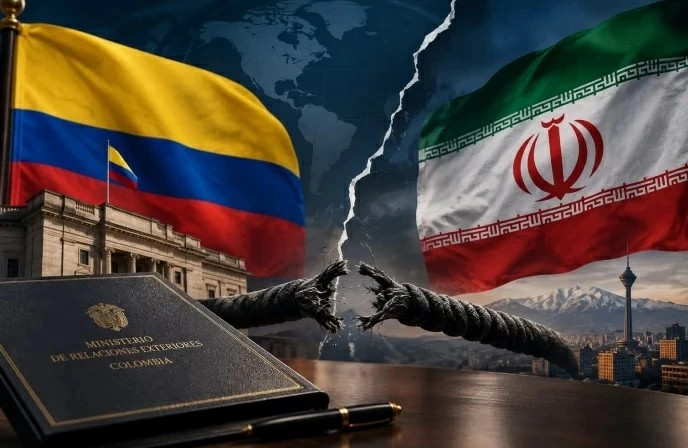
بعد ساعات من إعلان بوغوتا قطع علاقاتها الدبلوماسية مع طهران والكشف عن الأسباب الرئيسية للقرار، نددت إيران، اليوم (الجمعة)، بقطع كولومبيا العلاقات الدبلوماسية معها، مؤكدة أن ذلك يتعارض مع مبدأ الاحترام المتبادل ويتنافى مع مصالح الشعبين.
وقالت الخارجية الإيرانية إن قرار كولومبيا قطع علاقاتها الدبلوماسية معها «لا أساس له»، زاعمة أن القرار اتخذ بفعل نفوذ إسرائيل والولايات المتحدة.
وأضافت: «نرفض ادعاءات كولومبيا الباطلة ضدنا، وندين الاتهامات التي وجهتها لجزء من قواتنا المسلحة»، مبينة أن إيران ستتخذ التدابير اللازمة لمواجهة ما وصفته بالنهج «غير المبرر والعدائي» للحكومة الكولومبية ضدها.
وأشارت إلى أن كولومبيا «ليست في موقع يسمح لها بأن تعظ الآخرين بشأن الإرهاب والمخدرات».
وكانت كولومبيا أعلنت أمس (الخميس) قطع علاقاتها الدبلوماسية مع إيران، موضحة أن القرار يستند إلى اعتبارات تتعلق بـ«الأمن القومي للنصف الغربي للكرة الأرضية».
وأوضحت الحكومة الكولومبية أن القرار دخل حيز التنفيذ في 19 سبتمبر، مع الإبقاء على العلاقات القنصلية بين بوغوتا وطهران، مؤكدة أن الخطوة جاءت ضمن أولويات سياستها الخارجية المتعلقة بالأمن القومي والأمن في النصف الغربي للكرة الأرضية ومكافحة الجريمة العابرة للحدود.
واتهمت بوغوتا إيران بوجود صلات مع جماعات إرهابية دولية وجماعات مرتبطة بتجارة المخدرات، كما استندت إلى ما وصفته بانتهاكات حقوق الإنسان داخل إيران، وهجمات على دول بالشرق الأوسط، إضافة إلى عرقلة حركة الملاحة في مضيق هرمز.
كما أشارت الحكومة الكولومبية إلى عرقلة السلطات الإيرانية عمل الوكالة الدولية للطاقة الذرية للتحقق من نطاق البرنامج النووي الإيراني، معتبرة أن هذه التطورات أسهمت في تراجع مستوى الثقة بين البلدين.
ولا تشمل القطيعة العلاقات القنصلية، إذ أكدت بوغوتا استمرارها وفقاً للأطر المنصوص عليها في اتفاقيات فيينا للعلاقات الدبلوماسية والقنصلية.
وتأتي الخطوة الكولومبية في ظل تصاعد التوتر حول مضيق هرمز، الذي شهد تراجعاً حاداً في حركة الملاحة خلال الأيام الماضية على خلفية التصعيد بين إيران والولايات المتحدة، أظهرت بيانات أولية لتتبع السفن اليوم أن حركة عبور السفن في مضيق هرمز انخفضت أمس، إلى 9 سفن، مقارنةً بـ14 سفينة في اليوم السابق، فيما بلغ متوسط العبور في المضيق لمدة 10 أيام 18 سفينة.
وتنضم كولومبيا إلى قائمة الدول التي اتخذت خلال التصعيد الحالي خطوات دبلوماسية أو سياسية تجاه إيران.
Hours after Bogotá announced the severing of its diplomatic relations with Tehran and revealed the main reasons for the decision, Iran condemned Colombia's cutting of diplomatic ties with it today (Friday), asserting that this contradicts the principle of mutual respect and is contrary to the interests of both peoples.
The Iranian Foreign Ministry stated that Colombia's decision to cut diplomatic relations with it is "baseless," claiming that the decision was made under the influence of Israel and the United States.
It added: "We reject Colombia's false allegations against us, and we condemn the accusations directed at part of our armed forces," indicating that Iran will take necessary measures to confront what it described as the "unjust and hostile" approach of the Colombian government against it.
It pointed out that Colombia "is not in a position to preach to others about terrorism and drugs."
Colombia announced yesterday (Thursday) the severing of its diplomatic relations with Iran, explaining that the decision is based on considerations related to "the national security of the western hemisphere."
The Colombian government clarified that the decision took effect on September 19, while maintaining consular relations between Bogotá and Tehran, affirming that the step came as part of its foreign policy priorities related to national security and security in the western hemisphere and combating transnational crime.
Bogotá accused Iran of having connections with international terrorist groups and drug trafficking organizations, also citing what it described as human rights violations within Iran, attacks on countries in the Middle East, in addition to obstructing navigation in the Strait of Hormuz.
The Colombian government also noted the Iranian authorities' obstruction of the International Atomic Energy Agency's work to verify the scope of the Iranian nuclear program, considering that these developments contributed to a decline in the level of trust between the two countries.
The severance does not include consular relations, as Bogotá confirmed their continuation according to the frameworks stipulated in the Vienna Conventions on diplomatic and consular relations.
This Colombian step comes amid rising tensions around the Strait of Hormuz, which has seen a sharp decline in maritime traffic in recent days against the backdrop of escalating tensions between Iran and the United States. Preliminary data for tracking ships today showed that the number of vessels transiting the Strait of Hormuz decreased yesterday to 9 ships, compared to 14 ships the previous day, while the average transit in the strait over the past 10 days was 18 ships.
Colombia joins the list of countries that have taken diplomatic or political steps towards Iran during the current escalation.