وسط اتساع الفجوة بين واشنطن وطهران، تحاول باكستان إبقاء نافذة الدبلوماسية مفتوحة، مجددة دعوتها إلى الحوار والتواصل لحل الخلافات وإنهاء الصراع، بالتزامن مع تحركات دبلوماسية مكثفة في نيويورك لإعادة الطرفين إلى مسار التفاوض.
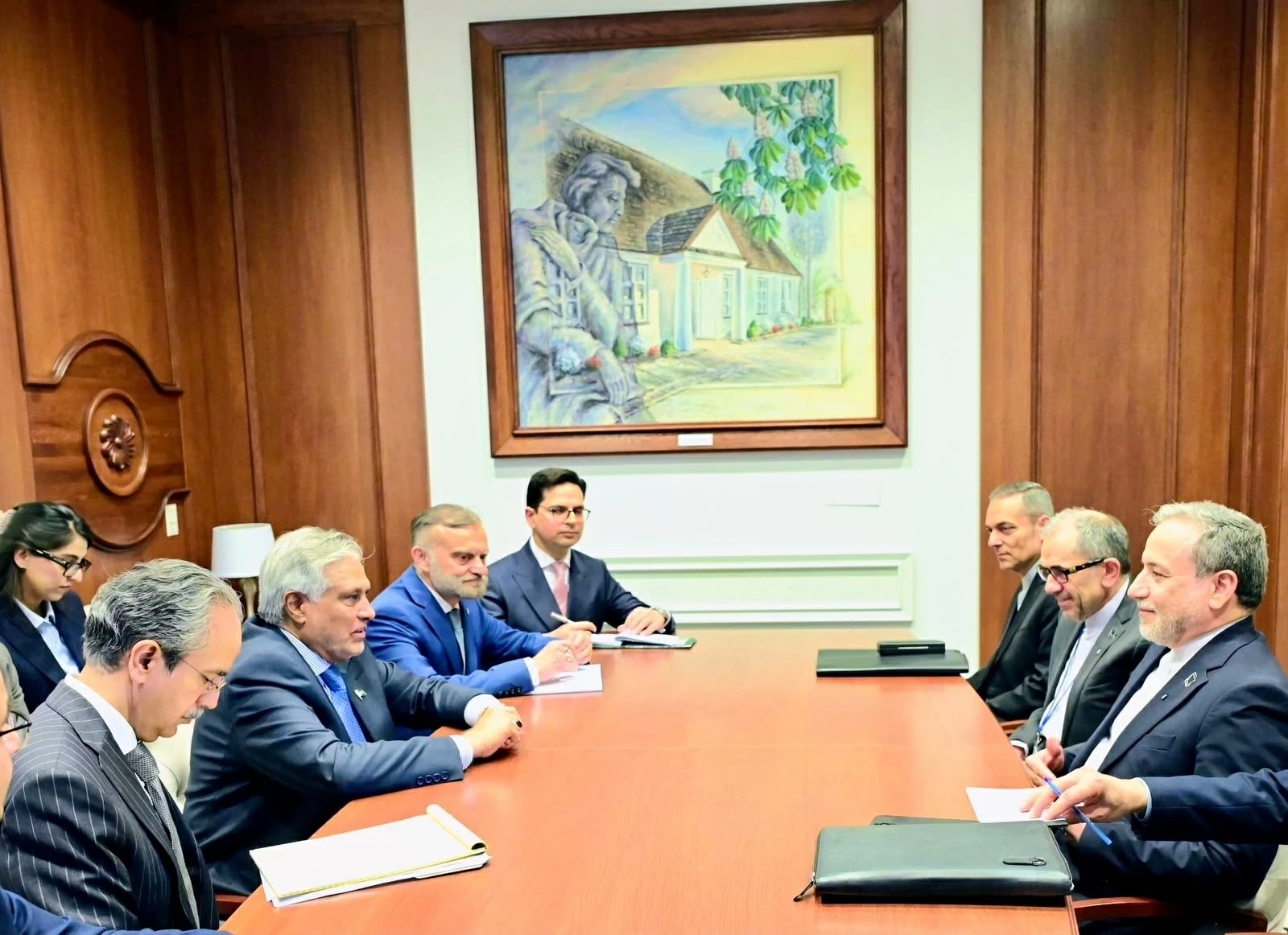
وأكد نائب رئيس الوزراء ووزير الخارجية الباكستاني محمد إسحاق دار، خلال لقائه نظيره الإيراني عباس عراقجي على هامش أعمال الدورة الحادية والثمانين للجمعية العامة للأمم المتحدة اليوم (الخميس)، أهمية الحوار والدبلوماسية واستمرار التواصل في تعزيز السلام والاستقرار الإقليمي، فيما اتفق الجانبان على مواصلة التنسيق والبقاء على اتصال وثيق.
ويأتي التحرك الباكستاني بعد جولة اتصالات غير مباشرة بين واشنطن وطهران في نيويورك، جرت بوساطة قطرية، إذ نقل وسطاء رسائل بين الوفد الإيراني برئاسة عراقجي والمبعوث الأمريكي ستيف ويتكوف وجاريد كوشنر، في أول اتصالات من هذا المستوى منذ أشهر. وأفادت تقارير بأن المباحثات لم تؤدِ إلى تغيير معلن في مواقف الجانبين، رغم استمرار الاتصالات الدبلوماسية.
وتتمسك طهران، وفق تصريحات مسؤول إيراني كبير نقلتها «رويترز»، ببحث مقترحات ترتبط بإنهاء الحرب ورفع الحصار البحري الأمريكي عن الموانئ الإيرانية وإعادة فتح مضيق هرمز، في وقت تؤكد فيه إيران استعدادها لإعادة فتح المضيق خلال فترة قصيرة إذا خففت واشنطن الضغط العسكري ورفعت الحصار عن موانئها.
في المقابل، لا تزال واشنطن تلوّح بخيارات متعددة، إذ قال وزير الخارجية الأمريكي ماركو روبيو إن التوصل إلى اتفاق مع إيران سيتطلب جهداً شاقاً، مع إبقاء الخيار العسكري مطروحاً.
وتتزامن هذه التحركات مع تشديد أمريكي للضغوط على إيران، بما في ذلك إجراءات تستهدف الرحلات الجوية الإيرانية، في حين رد مسؤول إيراني بالتهديد بتعطيل عمل مطارات الدول المجاورة إذا أوقفت الرحلات الإيرانية.
وفي ظل تشابك المسارات السياسية والأمنية والاقتصادية، تبدو نيويورك ساحة لاختبار إمكانية تحويل الاتصالات غير المباشرة إلى تفاوض فعلي، بينما تحاول باكستان تثبيت خيار الحوار باعتباره مساراً لتجنب مزيد من التصعيد. ويأتي ذلك في وقت يؤكد فيه رئيس الوزراء الباكستاني شهباز شريف أن إسلام آباد لم تفقد الأمل في إحياء الجهود الرامية إلى إنهاء الصراع الأمريكي الإيراني.
Amid the widening gap between Washington and Tehran, Pakistan is trying to keep the window of diplomacy open, renewing its call for dialogue and communication to resolve differences and end the conflict, coinciding with intensive diplomatic moves in New York to bring both parties back to the negotiating track.
Pakistan's Deputy Prime Minister and Foreign Minister Muhammad Ishaq Dar emphasized during his meeting with Iranian counterpart Abbas Araghchi on the sidelines of the 81st session of the United Nations General Assembly today (Thursday) the importance of dialogue and diplomacy and the continuation of communication in enhancing regional peace and stability, while both sides agreed to continue coordination and maintain close contact.
This Pakistani move comes after a round of indirect communications between Washington and Tehran in New York, mediated by Qatar, where intermediaries conveyed messages between the Iranian delegation led by Araghchi and U.S. envoy Steve Wietkoff and Jared Kushner, marking the first communications at this level in months. Reports indicated that the discussions did not lead to any announced change in the positions of both sides, despite the ongoing diplomatic communications.
Tehran, according to statements from a senior Iranian official reported by Reuters, insists on discussing proposals related to ending the war, lifting the U.S. naval blockade on Iranian ports, and reopening the Strait of Hormuz, while Iran confirms its readiness to reopen the strait within a short period if Washington eases military pressure and lifts the blockade on its ports.
In contrast, Washington continues to signal multiple options, with U.S. Secretary of State Marco Rubio stating that reaching an agreement with Iran will require hard work, while keeping the military option on the table.
These moves coincide with increased American pressure on Iran, including measures targeting Iranian flights, while an Iranian official responded by threatening to disrupt the operations of neighboring countries' airports if Iranian flights were halted.
Amid the intertwining political, security, and economic pathways, New York appears to be a testing ground for the possibility of turning indirect communications into actual negotiations, while Pakistan seeks to establish dialogue as a means to avoid further escalation. This comes at a time when Pakistani Prime Minister Shahbaz Sharif asserts that Islamabad has not lost hope in reviving efforts to end the U.S.-Iranian conflict.