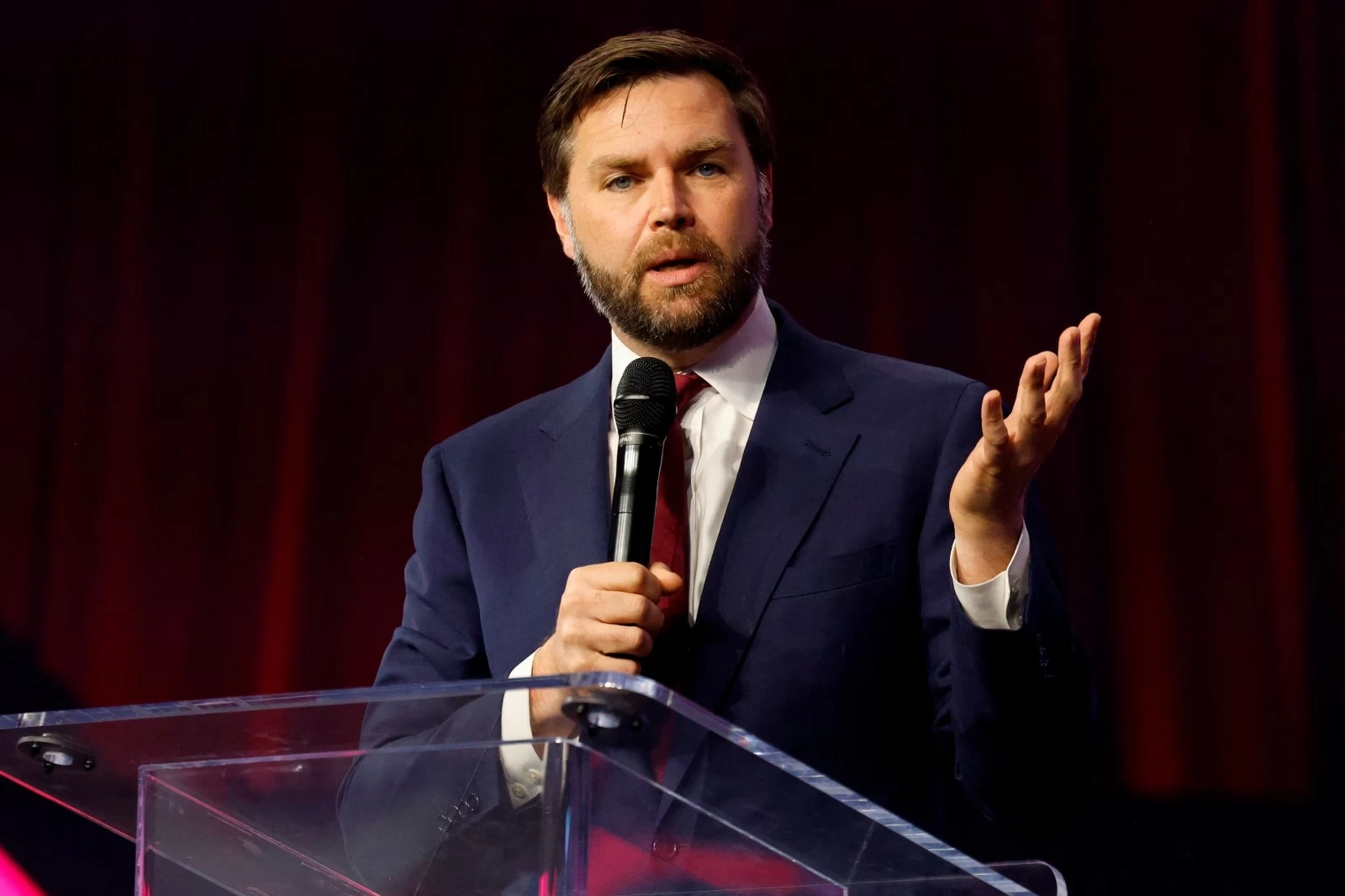
قال نائب الرئيس الأمريكي جي دي فانس، إن إيران لن تكون قادرة على تصنيع سلاح نووي في المستقبل القريب، عقب الضربات الأمريكية التي استهدفت منشآتها النووية، مؤكداً أن هدف الرئيس دونالد ترمب يمتد إلى منع طهران من إعادة بناء برنامجها النووي خلال السنوات القادمة.
وأضاف فانس، في مقابلة مع برنامج «Greg Kelly Reports» على شبكة «Newsmax»، أن إيران لا تستطيع تصنيع سلاح نووي غداً، كما أنها لن تتمكن، وفق تقديره، من إنتاجه خلال ستة أشهر أو عام إذا حاولت ذلك.
وأوضح نائب الرئيس الأمريكي أن القوات الأمريكية دمرت ثلاث منشآت نووية إيرانية، مشيراً إلى أن المرحلة التالية من التحرك الأمريكي تتمثل في منع طهران من إعادة بناء قدراتها النووية.
وقال فانس إن ترمب يسعى إلى ضمان عدم امتلاك إيران الموارد أو البنية التحتية اللازمة لإعادة بناء برنامجها النووي، مضيفاً أن الهدف هو أن تظل طهران غير قادرة على تصنيع سلاح نووي بعد عامين أو ثلاثة أعوام أو حتى عشرة أعوام.
ضربات أمريكية وإسرائيلية على إيران
وتأتي تصريحات فانس في أعقاب الضربات التي شنتها الولايات المتحدة وإسرائيل ضد إيران في 28 فبراير، فيما أطلقت واشنطن على حملتها العسكرية اسم «عملية الغضب الملحمي».
وكانت الولايات المتحدة قد نفذت في يونيو 2025 ضربات استهدفت منشآت فوردو ونطنز وأصفهان النووية، ضمن عملية «مطرقة منتصف الليل» (Operation Midnight Hammer).
وتسعى الإدارة الأمريكية، بحسب تصريحات فانس، إلى الانتقال من استهداف المنشآت النووية الإيرانية إلى ضمان عدم قدرة طهران على إعادة بناء البنية التحتية والموارد اللازمة لاستئناف برنامجها النووي.
غموض بشأن وضع البرنامج النووي الإيراني
في المقابل، لا يزال الوضع الحالي للبرنامج النووي الإيراني ومخزون اليورانيوم المخصب غير واضح بشكل كامل، في ظل صعوبة وصول المفتشين الدوليين إلى المنشآت الإيرانية.
وكان المدير العام للوكالة الدولية للطاقة الذرية، رافائيل غروسي، قال إن إيران لم تقدم للوكالة المعلومات اللازمة بشأن وضع موادها النووية والمنشآت التي أعلنت عنها، كما لم تسمح للمفتشين بإجراء عمليات التحقق المطلوبة.
وأشار غروسي إلى أن الوكالة لا تستطيع، في ظل نقص المعلومات، التحقق من الوضع الحالي للمنشآت والمواد النووية المرتبطة بها، واصفاً هذا النقص في المعلومات بأنه مصدر قلق بالغ من ناحية انتشار الأسلحة النووية.
وبالتالي، فإن حجم الأضرار التي لحقت بالبرنامج النووي الإيراني وقدرة طهران على استئناف أنشطتها النووية لا يزالان موضع متابعة وتقييم من جانب الجهات الدولية المختصة.
فانس: إيران تتحمل مسؤولية ارتفاع أسعار الوقود
وفي سياق آخر، حمّل فانس إيران مسؤولية ارتفاع أسعار الوقود، مشيراً إلى الهجمات التي قال إن طهران تشنها على حركة الملاحة التجارية.
وقال نائب الرئيس الأمريكي إن إطلاق الصواريخ والطائرات المسيرة على السفن التجارية يؤثر في أسواق الطاقة، مؤكداً أن الولايات المتحدة تعمل على ضمان استمرار تدفق النفط والغاز.
وأضاف أن واشنطن تبذل ما بوسعها للحفاظ على تدفق إمدادات الطاقة، لكنه شدد على ضرورة تحميل المسؤولية، بحسب موقف الإدارة الأمريكية، لمن يتسبب في اضطراب حركة الملاحة الدولية.
مضيق هرمز في صدارة المخاوف
وتطرق فانس كذلك إلى تأثير الهجمات على حركة الملاحة التجارية وأسواق الطاقة، مشيراً إلى جهود الإدارة الأمريكية للحفاظ على تدفق النفط عبر مضيق هرمز.
ويعد المضيق من أهم الممرات البحرية لنقل النفط والغاز عالمياً، ما يجعل أي اضطراب في حركة الملاحة عبره عاملاً مؤثراً في أسواق الطاقة وأسعار الوقود.
وكان فانس قد طرح موقفاً مشابهاً في وقت سابق من الشهر، معتبراً أن الهجمات الإيرانية على الملاحة التجارية تؤدي إلى اضطرابات في أسواق الطاقة، ومؤكداً أن الإدارة الأمريكية تعمل على استمرار تدفق النفط عبر المضيق.
وتأتي تصريحات نائب الرئيس الأمريكي في وقت تركز فيه واشنطن على منع إيران من إعادة بناء قدراتها النووية، بينما لا تزال المعلومات المتاحة بشأن حجم الأضرار التي لحقت بالمنشآت النووية الإيرانية ووضع مخزون اليورانيوم المخصب محدودة، في انتظار مزيد من عمليات التحقق الدولية.
U.S. Vice President J.D. Vance stated that Iran will not be able to manufacture a nuclear weapon in the near future, following American strikes targeting its nuclear facilities, emphasizing that President Donald Trump's goal extends to preventing Tehran from rebuilding its nuclear program in the coming years.
Vance added, in an interview with the "Greg Kelly Reports" program on the "Newsmax" network, that Iran cannot manufacture a nuclear weapon tomorrow, and according to his estimation, it will not be able to produce one within six months or a year if it attempts to do so.
The U.S. Vice President explained that American forces destroyed three Iranian nuclear facilities, noting that the next phase of U.S. action is to prevent Tehran from rebuilding its nuclear capabilities.
Vance stated that Trump seeks to ensure that Iran does not have the resources or infrastructure necessary to rebuild its nuclear program, adding that the goal is for Tehran to remain unable to manufacture a nuclear weapon after two years, three years, or even ten years.
American and Israeli Strikes on Iran
Vance's remarks come in the wake of strikes carried out by the United States and Israel against Iran on February 28, which Washington referred to as "Operation Epic Fury."
The United States had executed strikes in June 2025 targeting the Fordow, Natanz, and Isfahan nuclear facilities, as part of "Operation Midnight Hammer."
According to Vance's statements, the U.S. administration aims to shift from targeting Iranian nuclear facilities to ensuring that Tehran cannot rebuild the infrastructure and resources needed to resume its nuclear program.
Uncertainty Regarding the Status of the Iranian Nuclear Program
In contrast, the current status of the Iranian nuclear program and its stockpile of enriched uranium remains unclear, amid difficulties for international inspectors to access Iranian facilities.
The Director General of the International Atomic Energy Agency, Rafael Grossi, stated that Iran has not provided the agency with the necessary information regarding the status of its nuclear materials and the facilities it has declared, nor has it allowed inspectors to conduct the required verifications.
Grossi pointed out that the agency cannot verify the current status of the facilities and the nuclear materials associated with them due to a lack of information, describing this lack of information as a serious concern regarding nuclear proliferation.
Thus, the extent of the damage to the Iranian nuclear program and Tehran's ability to resume its nuclear activities remain under monitoring and evaluation by relevant international authorities.
Vance: Iran is Responsible for Rising Fuel Prices
In another context, Vance held Iran responsible for rising fuel prices, pointing to the attacks he claimed Tehran is launching on commercial shipping.
The U.S. Vice President stated that launching missiles and drones at commercial ships affects energy markets, emphasizing that the United States is working to ensure the continued flow of oil and gas.
He added that Washington is doing everything it can to maintain the flow of energy supplies, but stressed the need to hold accountable, according to the U.S. administration's stance, those who disrupt international shipping.
Strait of Hormuz at the Forefront of Concerns
Vance also addressed the impact of attacks on commercial shipping and energy markets, pointing to the U.S. administration's efforts to maintain the flow of oil through the Strait of Hormuz.
The strait is one of the most important maritime routes for transporting oil and gas globally, making any disruption in shipping through it a significant factor affecting energy markets and fuel prices.
Vance had previously expressed a similar position earlier in the month, considering that Iranian attacks on commercial shipping lead to disruptions in energy markets, and confirming that the U.S. administration is working to ensure the continued flow of oil through the strait.
The U.S. Vice President's remarks come at a time when Washington is focused on preventing Iran from rebuilding its nuclear capabilities, while information available regarding the extent of the damage to Iranian nuclear facilities and the status of the enriched uranium stockpile remains limited, pending further international verification efforts.