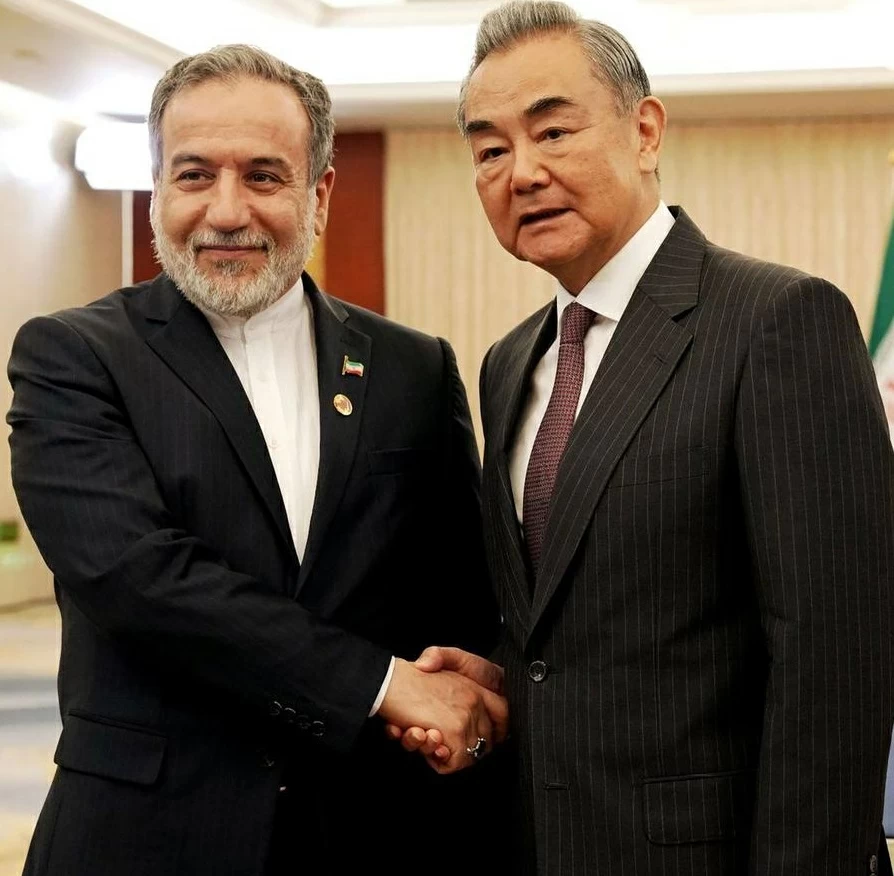
دعت الصين اليوم (الأربعاء)، أمريكا وإيران إلى التحلي بالحكمة وضبط النفس والعودة إلى مذكرة التفاهم إسلام آباد.
وقال وزير الخارجية الصيني وانج يي لنظيره الإيراني عباس عراقجي، إن بكين تحث كلاً من إيران والولايات المتحدة على التحلي بالحكمة وضبط النفس والعودة إلى مذكرة تفاهم إسلام آباد والانخراط في مشاورات جوهرية بشأن القضايا ذات الاهتمام المشترك، وفق ما ذكر بيان للخارجية الصينية، مضيفاً: «نحث جميع الأطراف على اتخاذ تدابير فعالة لإعادة فتح مضيق هرمز في أقرب وقت ممكن».
وأشار إلى أن سياسة الصين تجاه إيران «تظل ثابتة وراسخة وأن بلاده مستعدة لتعزيز التواصل والتنسيق معها»، مبيناً أن استمرار الأعمال القتالية ليس في مصلحة الطرفين ولا المجتمع الدولي. وأوضح وانج يي أن الصين «لا ترغب في رؤية التوترات الإقليمية تمتد بشكل أكبر إلى اليمن والبحر الأحمر»، مضيفاً: «ندعم حواراً قائماً على الاحترام المتبادل للسيادة والأمن بين إيران ودول الخليج».
في غضون ذلك، أظهرت بيانات شحن أولية اليوم، أن عدد السفن العابرة لمضيق هرمز ظل دون العشرة، إذ بلغ أمس (الثلاثاء)، 4 سفن، انخفاضاً من 7 في اليوم السابق وهو ما يقل كثيراً عن متوسط عشرة أيام والبالغ 18 سفينة.
وأشار إلى أن هذا العدد الإجمالي تضمن سفينتين تغادران المضيق وأخريين تدخلان إليه، ولم تكن من بين هذه السفن أي ناقلات عملاقة للنفط الخام أو ناقلات للغاز الطبيعي المسال، مبيناً أن بعض السفن قد تبحر عبر الممر المائي وأجهزة الإرسال والاستقبال التي تحدد هويتها وموقعها مغلقة، وبالتالي لا تدخل في نطاق هذا الإحصاء.
من جهة أخرى، صوت مجلس النواب الأمريكي، أمس، بالموافقة على إجراء لتقييد صلاحيات الرئيس دونالد ترمب في حرب إيران، وذلك قبل أسابيع قليلة من انتخابات التجديد النصفي في نوفمبر، وفق ما ذكرته شبكة «سي إن إن».
وتعد هذه المرة الثالثة التي يصوت فيها مجلس النواب على قرار يقوده الديمقراطيون لإلزام ترمب بسحب القوات الأمريكية المتمركزة في المنطقة، إلا أن الديمقراطيين يرون أن هذا التصويت هو أهم تحرك لهم حتى الآن، إذ يأتي ضمن آخر مشاريع القوانين التي يصوت عليها المجلس، قبل انتخابات نوفمبر. وانضم 7 أعضاء جمهوريين إلى الديمقراطيين في التصويت على القرار، في ارتفاع من 4 أصوات جمهورية أيدت القرارين السابقين.
China called on the United States and Iran today (Wednesday) to exercise wisdom, restraint, and return to the Islamabad Memorandum of Understanding.
Chinese Foreign Minister Wang Yi told his Iranian counterpart Abbas Araghchi that Beijing urges both Iran and the United States to act wisely, exercise restraint, return to the Islamabad Memorandum of Understanding, and engage in substantive consultations on issues of mutual interest, according to a statement from the Chinese Foreign Ministry. He added, "We urge all parties to take effective measures to reopen the Strait of Hormuz as soon as possible."
He pointed out that China's policy towards Iran "remains stable and firm, and that his country is ready to enhance communication and coordination with it," indicating that the continuation of hostilities is not in the interest of either party or the international community. Wang Yi clarified that China "does not wish to see regional tensions extend further into Yemen and the Red Sea," adding, "We support dialogue based on mutual respect for sovereignty and security between Iran and the Gulf states."
Meanwhile, preliminary shipping data today showed that the number of ships transiting the Strait of Hormuz remained below ten, with four ships passing through yesterday (Tuesday), down from seven the previous day, which is significantly lower than the ten-day average of 18 ships.
He noted that this total number included two ships leaving the strait and two entering it, and none of these ships were large crude oil tankers or liquefied natural gas carriers, explaining that some ships may sail through the waterway with their transponders, which identify their identity and location, turned off, thus not included in this count.
On another note, the U.S. House of Representatives voted yesterday to approve a measure to restrict President Donald Trump's powers regarding the Iran war, just weeks before the midterm elections in November, according to CNN.
This marks the third time the House has voted on a Democrat-led resolution to compel Trump to withdraw U.S. forces stationed in the region, but Democrats see this vote as their most significant move so far, as it comes among the last bills the House will vote on before the November elections. Seven Republican members joined the Democrats in voting for the resolution, an increase from the four Republican votes that supported the previous two resolutions.