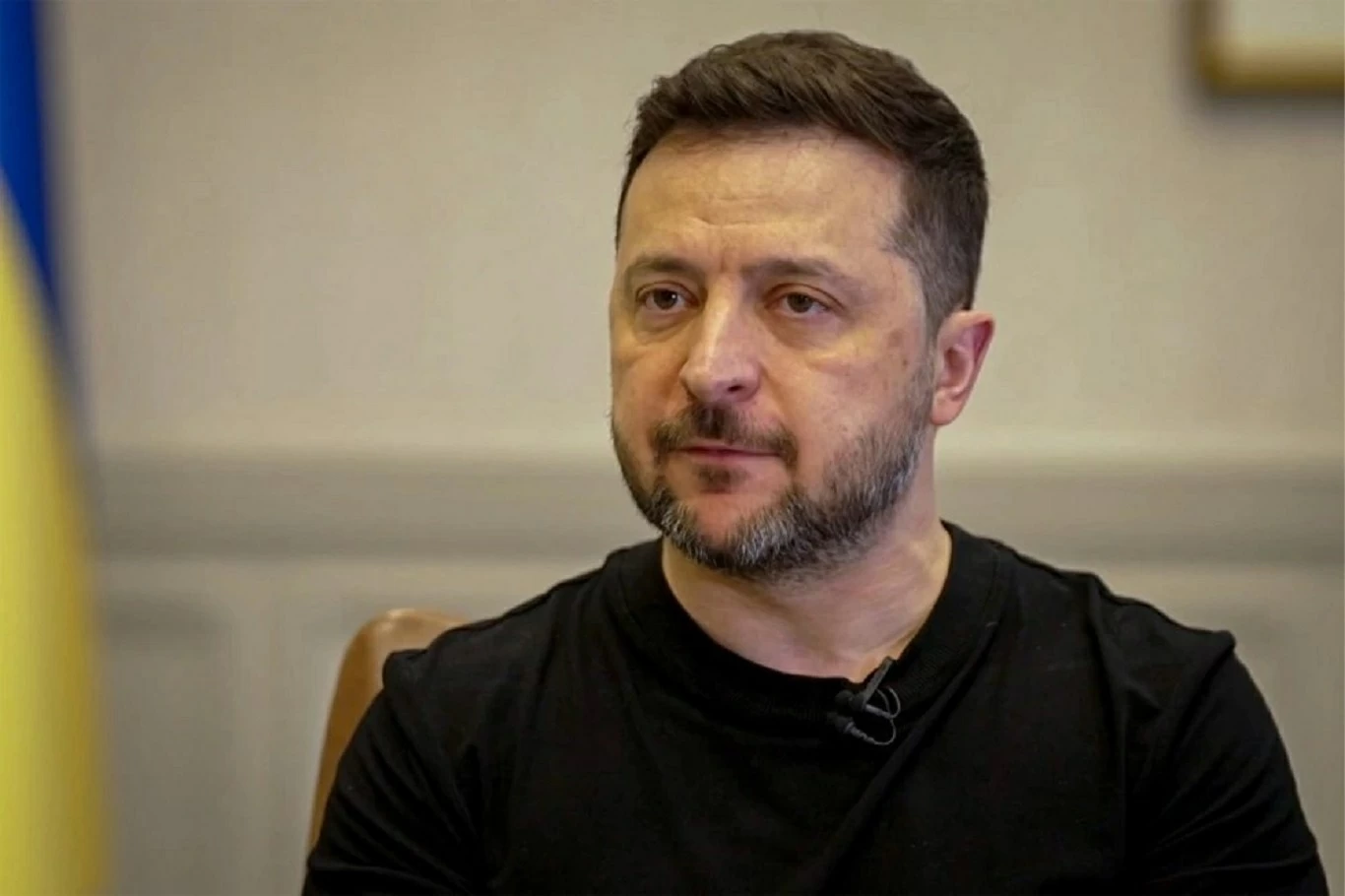
دعا الرئيس الأوكراني فولوديمير زيلينسكي، اليوم (الإثنين)، أعضاء البرلمان إلى الإسراع في الموافقة على إقالة المدعي العام روسلان كرافشينكو، في ظل تصاعد التوتر بين مؤسسات مكافحة الفساد وأجهزة إنفاذ القانون، على خلفية سلسلة من التحقيقات البارزة.
كان كرافشينكو قد أعلن استقالته من منصبه الأسبوع الماضي، بعدما امتد أحد تحقيقات الفساد إلى مكتبه، ولم توجه إليه اتهامات بارتكاب جريمة، كما لم يُدرج اسمه كمشتبه به في أي من التحقيقات، إلا أن سلطات مكافحة الفساد اتهمت أحد مرؤوسيه بالمساعدة في إدارة شبكة احتيال.
وقال زيلينسكي، في رسالة عبر تطبيق «تليغرام»، إن المسار الوحيد أمام المدعي العام هو مغادرة منصبه، مضيفاً: «هذا ما قلته له».
بموجب القانون الأوكراني، يتعين على زيلينسكي تقديم طلب رسمي إلى البرلمان لقبول استقالة المدعي العام، فيما توقع عدد من النواب إجراء التصويت على الطلب (الثلاثاء).
اتهامات متبادلة بين أجهزة مكافحة الفساد
وتأتي الأزمة الجديدة في وقت تشهد فيه العلاقات بين هيئات مكافحة الفساد الأوكرانية وأجهزة إنفاذ القانون توتراً مستمراً على مدى العام الماضي.
وفي تطور لافت، أعلن كرافشينكو، اليوم، أنه وقّع إخطاراً بالاشتباه بحق رئيس المكتب الوطني لمكافحة الفساد «نابو»، سيمين كريفونوس، الذي تشارك مؤسسته في التحقيقات التي طالت مكتب المدعي العام.
اتهم كرافشينكو كريفونوس بتزوير وثائق رسمية بهدف الحصول على «منفعة غير قانونية على نطاق استثنائي»، كما اتهمه باللجوء إلى تبنٍّ صوري، على حد قوله، لتجنب المسؤولية القانونية أمام القضاء.
من جانبهما، رفض المكتب الوطني لمكافحة الفساد ومكتب المدعي العام المتخصص في مكافحة الفساد هذه الاتهامات، واعتبرا تصريحات كرافشينكو خطوة جديدة ضمن ما وصفاه بـ«هجوم ممنهج على هيئات مكافحة الفساد المستقلة».
وأكدت المؤسستان أن الاتهامات الموجهة إلى كريفونوس غير صحيحة، مشيرتين إلى أنه لم يتم توجيه اتهام رسمي إليه.
صراع على استقلال مؤسسات مكافحة الفساد
واجه كرافشينكو في وقت سابق انتقادات من معارضيه، الذين اتهموه بالمشاركة في محاولة لتقويض استقلال المكتب الوطني لمكافحة الفساد ومكتب المدعي العام المتخصص في مكافحة الفساد خلال العام الماضي، وهي اتهامات نفى صحتها.
تعكس التطورات الأخيرة تصاعد صراع النفوذ بين مؤسسات إنفاذ القانون وهيئات مكافحة الفساد في أوكرانيا، في وقت تواجه فيه كييف ضغوطاً متزايدة لتنفيذ إصلاحات مؤسسية ومكافحة الفساد.
تكتسب هذه الإصلاحات أهمية خاصة بالنسبة للحكومة الأوكرانية، إذ ترتبط بعض الالتزامات المتعلقة بمكافحة الفساد بالحصول على تمويل حيوي من الشركاء الدوليين.
الفساد يضغط على شعبية زيلينسكي
تأتي الأزمة في توقيت حساس بالنسبة لزيلينسكي، الذي تواجه حكومته تحديات متزايدة للحفاظ على ثقة المواطنين والدعم الدولي، بالتزامن مع استمرار الحرب ضد روسيا.
قد تؤدي فضائح الفساد والتحقيقات المرتبطة بمؤسسات الدولة إلى تآكل الثقة الشعبية بالرئاسة والحكومة، خصوصاً في ظل استمرار الحرب وما تفرضه من ضغوط سياسية واقتصادية وعسكرية كبيرة على البلاد.
تسعى كييف في الوقت نفسه إلى الحفاظ على ثقة حلفائها الغربيين، الذين يربط بعضهم استمرار الدعم المالي والسياسي بتنفيذ إصلاحات تتعلق بالحوكمة وسيادة القانون ومكافحة الفساد.
Ukrainian President Volodymyr Zelensky called on parliament members today (Monday) to expedite the approval of the dismissal of Prosecutor General Ruslan Kravchenko, amid rising tensions between anti-corruption institutions and law enforcement agencies, following a series of prominent investigations.
Kravchenko announced his resignation from his position last week after one of the corruption investigations extended to his office. He has not been charged with any crime, nor has he been named as a suspect in any of the investigations, but anti-corruption authorities accused one of his subordinates of helping to manage a fraud network.
Zelensky stated in a message via the Telegram app that the only path for the prosecutor general is to leave his position, adding, "This is what I told him."
Under Ukrainian law, Zelensky must submit a formal request to parliament to accept the prosecutor general's resignation, while several lawmakers expect the vote on the request to take place on Tuesday.
Mutual accusations between anti-corruption agencies
The new crisis comes at a time when relations between Ukrainian anti-corruption bodies and law enforcement agencies have been under ongoing tension for the past year.
In a notable development, Kravchenko announced today that he has signed a notice of suspicion against the head of the National Anti-Corruption Bureau (NABU), Semen Kryvonos, whose agency is involved in the investigations that have reached the prosecutor general's office.
Kravchenko accused Kryvonos of forging official documents to obtain "exceptionally illegal benefits," and also accused him of resorting to nominal adoption, as he claimed, to avoid legal responsibility before the judiciary.
For their part, both the National Anti-Corruption Bureau and the specialized anti-corruption prosecutor's office rejected these accusations, considering Kravchenko's statements a new step in what they described as a "systematic attack on independent anti-corruption bodies."
The two institutions confirmed that the accusations against Kryvonos are untrue, noting that he has not been formally charged.
Struggle for the independence of anti-corruption institutions
Kravchenko previously faced criticism from his opponents, who accused him of participating in an attempt to undermine the independence of the National Anti-Corruption Bureau and the specialized anti-corruption prosecutor's office over the past year, accusations he denied.
The recent developments reflect an escalating power struggle between law enforcement institutions and anti-corruption bodies in Ukraine, at a time when Kyiv faces increasing pressure to implement institutional reforms and combat corruption.
These reforms are particularly important for the Ukrainian government, as some commitments related to combating corruption are tied to obtaining vital funding from international partners.
Corruption pressures Zelensky's popularity
The crisis comes at a sensitive time for Zelensky, whose government faces growing challenges to maintain citizens' trust and international support, coinciding with the ongoing war against Russia.
Corruption scandals and investigations linked to state institutions could erode public trust in the presidency and the government, especially amid the ongoing war and the significant political, economic, and military pressures it imposes on the country.
At the same time, Kyiv seeks to maintain the trust of its Western allies, some of whom link continued financial and political support to the implementation of reforms related to governance, the rule of law, and anti-corruption.