في وقت تتزايد فيه المخاوف من مصير البرنامج النووي الإيراني، مدّ مدير الوكالة الدولية للطاقة الذرية رافائيل غروسي اليوم (الإثنين)، يده مجدداً إلى طهران لاستئناف التعاون، مؤكداً أن استعادة الثقة والاستقرار لن تتحقق إلا بالعمل المشترك.
وقال غروسي إن الوكالة مستعدة لاستئناف العمل مع إيران لتوضيح المسائل المتعلقة ببرنامجها النووي، مؤكداً أن شواغل طهران الأمنية ستؤخذ في الاعتبار، في ظل استمرار النزاع والتوتر في المنطقة. وشدد على أن التعاون الكامل بين الجانبين يمثل الطريق الوحيد لاستعادة الثقة وتحقيق الاستقرار.
غروسي
وفي المقابل، لا تزال طهران ترفض عودة مفتشي الوكالة إلى المواقع النووية التي تعرضت لهجمات، بينها منشآت تخصيب اليورانيوم الثلاث الرئيسية، التي دُمرت أو لحقت بها أضرار بالغة. كما لم تقدم إيران تفسيراً واضحاً بشأن مخزونها من اليورانيوم المخصب، وبينما كانت الوكالة تقدر قبل الحرب امتلاك طهران 440.9 كيلوغرام من اليورانيوم المخصب بنسبة تصل إلى 60%، لم تتضح حتى الآن الكمية التي بقيت دون أضرار.
وتشير تقديرات الوكالة إلى أن أكثر من 200 كيلوغرام من ذلك المخزون قد يكون لا يزال موجوداً في أحد المواقع، وهي كمية تكتسب أهمية بالغة نظراً لقرب مستوى تخصيبها من الدرجة اللازمة لإنتاج سلاح نووي، إذا جرى رفع نسبة التخصيب.
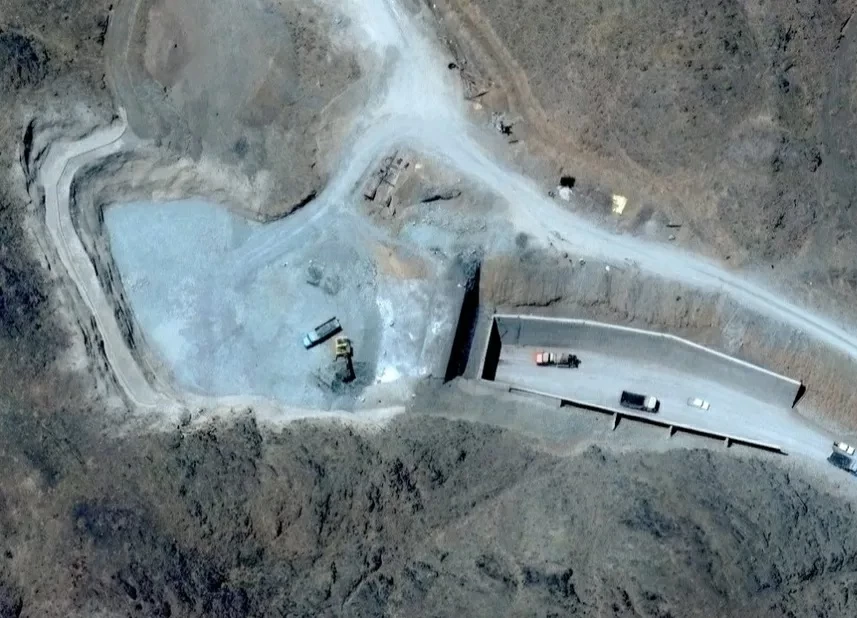
وفي تطور آخر يزيد الغموض، نفت إيران وجود أنشطة نووية في موقع «جبل الفأس» المحصن قرب منشأة نطنز، ووصفت التقارير بشأنه بأنها جزء من «حرب إعلامية ونفسية» أمريكية، لكن غروسي أكد أن الوكالة رصدت مؤشرات على أعمال وتحركات جديدة حول الموقع، رغم عدم امتلاكها معلومات مؤكدة عن طبيعة النشاط الجاري داخله.
ويضم «جبل الفأس» مجمعاً من الأنفاق العميقة شديدة التحصين، ويُعتقد أن طهران اتجهت إلى تطويره لحماية أنشطتها الحساسة من الهجمات، فيما كان الرئيس الأمريكي دونالد ترمب قد حذر من احتمال استهداف الموقع.
وفي السياق نفسه، طالبت الولايات المتحدة إيران بالتعاون الكامل مع الوكالة، بينما استدعت طهران القائم بالأعمال النمساوي احتجاجاً على رفض فيينا منح وفد إيراني تأشيرات للمشاركة في اجتماع الوكالة في فيينا.
وقال المتحدث باسم وزارة الخارجية الإيرانية إسماعيل بقائي، إن «رفض فيينا إصدار تأشيرات لوفد إيران قرار لا مبرر له على الإطلاق»، مضيفاً: «من الواضح لنا أن هذا الحادث وقع تحت الضغط الأمريكي، لكن ذلك لا يعفي الحكومة النمساوية من المسؤولية».
وتحاول الوكالة إعادة مفتشيها إلى المنشآت الإيرانية، تبقى الأسئلة الأكثر حساسية معلقة: أين ذهب مخزون اليورانيوم عالي التخصيب؟ وما الذي يجري داخل المواقع المحصنة؟ وهل ستسمح طهران أخيراً برقابة دولية تكشف حقيقة برنامجها النووي؟
At a time when concerns about the fate of the Iranian nuclear program are increasing, the Director of the International Atomic Energy Agency, Rafael Grossi, extended his hand once again to Tehran today (Monday) to resume cooperation, emphasizing that restoring trust and stability can only be achieved through joint work.
Grossi stated that the agency is ready to resume work with Iran to clarify issues related to its nuclear program, confirming that Tehran's security concerns will be taken into account amid ongoing conflict and tension in the region. He stressed that full cooperation between the two sides represents the only way to restore trust and achieve stability.
غروسي
In contrast, Tehran continues to refuse the return of agency inspectors to the nuclear sites that have been attacked, including the three main uranium enrichment facilities that were destroyed or severely damaged. Iran has also not provided a clear explanation regarding its stockpile of enriched uranium, and while the agency estimated before the war that Tehran possessed 440.9 kilograms of enriched uranium at a purity of up to 60%, the quantity that remains undamaged is still unclear.
The agency's estimates indicate that more than 200 kilograms of that stockpile may still be present at one of the sites, a quantity that is of great importance given its enrichment level is close to that necessary for producing a nuclear weapon if the enrichment percentage is raised.
In another development that adds to the ambiguity, Iran denied the existence of nuclear activities at the fortified site of "Mount Faz," near the Natanz facility, describing reports about it as part of an American "media and psychological war." However, Grossi confirmed that the agency has detected signs of new activities and movements around the site, despite not having confirmed information about the nature of the ongoing activity inside.
"Mount Faz" contains a complex of deep, heavily fortified tunnels, and it is believed that Tehran has developed it to protect its sensitive activities from attacks, while former President Donald Trump had warned of the possibility of targeting the site.
In the same context, the United States has called on Iran to fully cooperate with the agency, while Tehran summoned the Austrian chargé d'affaires in protest against Vienna's refusal to grant an Iranian delegation visas to participate in the agency's meeting in Vienna.
Iranian Foreign Ministry spokesman Ismail Baqaei stated that "Vienna's refusal to issue visas for the Iranian delegation is an entirely unjustifiable decision," adding, "It is clear to us that this incident occurred under American pressure, but that does not absolve the Austrian government of responsibility."
The agency is trying to return its inspectors to Iranian facilities, but the most sensitive questions remain unanswered: Where has the stockpile of highly enriched uranium gone? What is happening inside the fortified sites? Will Tehran finally allow international oversight to reveal the truth about its nuclear program?