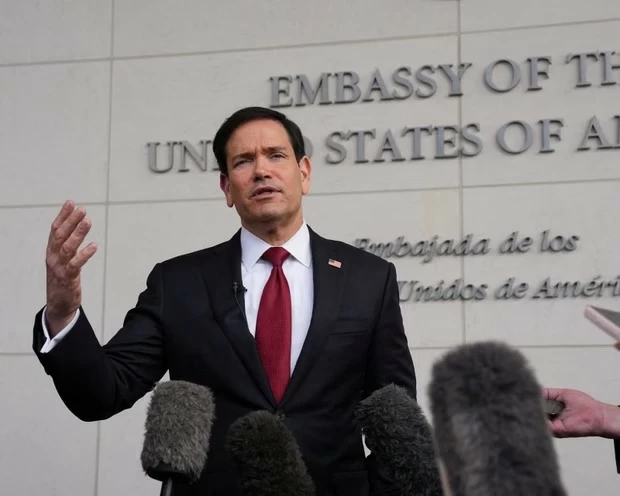
كشف وزير الخارجية الأمريكي ماركو روبيو، عن ملامح جديدة لإستراتيجية إدارة الرئيس دونالد ترمب في مواجهة تهريب المخدرات عبر المياه في أمريكا اللاتينية، مؤكداً أن واشنطن تسعى إلى تنفيذ عمليات مشتركة مع حلفائها في المنطقة وبما يتوافق مع قوانينهم، مع احتفاظ الجيش الأمريكي بخيار استخدام القوة العسكرية ضد السفن المشتبه في تورطها بتهريب المخدرات.
وقال روبيو إن الولايات المتحدة تركز حالياً على التعاون مع الدول الحليفة ومواءمة العمليات مع القوانين المحلية، لكنه شدد في الوقت نفسه على أن الجيش الأمريكي «سيظل يفجر السفن إذا لزم الأمر».
ويأتي هذا التصريح في وقت تبدو فيه واشنطن بصدد تعديل نهجها بعد عام من بدء حملة عسكرية أحادية الجانب استهدفت ما تصفهم الإدارة الأمريكية بـ«الإرهابيين المرتبطين بالمخدرات» الذين ينشطون على متن قوارب في المياه الدولية.
230 قتيلاً في 69 ضربة عسكرية
وأعلنت القيادة الجنوبية للجيش الأمريكي، في وقت متأخر من مساء (الأربعاء)، تنفيذ أحدث ضربة من هذا النوع في البحر الكاريبي، قالت إنها أسفرت عن مقتل ثلاثة أشخاص.
وبذلك يرتفع عدد الأشخاص الذين قُتلوا في الضربات الأمريكية التي استهدفت قوارب في المنطقة إلى 230 شخصاً على الأقل، خلال 69 ضربة.
وأثارت هذه العمليات على مدار العام انتقادات وتساؤلات بشأن الأساس القانوني لاستهداف الأشخاص الموجودين على متن القوارب، خصوصاً أن إدارة ترمب اتهمتهم بالانتماء إلى شبكات «إرهابية مرتبطة بالمخدرات» دون تقديم أدلة علنية تثبت هذه الاتهامات.
واشنطن تراهن على العمليات المشتركة
ورغم استمرار الضربات العسكرية، قال روبيو إن إدارة ترمب تركز على بناء اتفاقات لتنفيذ عمليات مشتركة مع دول حليفة في المنطقة، من بينها كولومبيا والإكوادور.
وتسمح هذه الترتيبات بتنفيذ عمليات داخل المياه الإقليمية للدول المعنية، مع الالتزام بقوانينها وإشراك سلطاتها في إجراءات مكافحة تهريب المخدرات.
وقال روبيو للصحفيين خلال زيارته إلى العاصمة الإكوادورية كيتو، إن مشاركة دول المنطقة في هذه الجهود داخل مياهها الإقليمية تمثل «تقدماً هائلاً»، خصوصاً أنها المرة الأولى التي تكون فيها دول مستعدة للمشاركة في مثل هذه العمليات ضمن نطاق سيادتها.
وأضاف أن الهدف الأساسي هو تعطيل طرق التهريب وإنهاؤها، قائلاً إن «هذه الطرق يجري تعطيلها، وهذه الطرق يجري إنهاؤها».
الضرب أم الاعتراض؟ القرار يتحدد من حالة إلى أخرى
وأوضح روبيو أن قرار استخدام القوة العسكرية لا يخضع لقاعدة واحدة ثابتة، وإنما يتم اتخاذه «ضربة بضربة أو عملية بعملية»، بناءً على طبيعة التهديد وموقع القارب.
ويعكس هذا التصريح تحولاً في طريقة التعامل مع عمليات اعتراض القوارب في المياه الإقليمية لدول أمركا اللاتينية، ففي بعض العمليات الأخيرة، قامت القوات الأمريكية باعتراض القوارب أو الأشخاص الموجودين على متن منشآت عائمة تستخدم لإعادة التزود بالوقود، قبل نقل الأشخاص إلى السلطات الإكوادورية.
وبعد ذلك، تقوم القوات الأمريكية بتدمير السفن، في نهج يختلف عن الضربات المباشرة التي اتبعتها إدارة ترمب في بداية حملتها العسكرية.
بداية الحملة في سبتمبر 2025
وبدأت الضربات الأمريكية على القوارب التي تتهمها واشنطن بتهريب المخدرات في سبتمبر 2025، ومنذ ذلك الحين، نفذت القوات الأمريكية سلسلة من الهجمات على قوارب في المياه الدولية، قالت الإدارة إنها استهدفت أشخاصاً تصفهم بـ«الإرهابيين المرتبطين بالمخدرات».
لكن الإدارة لم تقدم علناً أدلة تفصيلية تثبت تورط جميع الأشخاص الذين قُتلوا في تلك العمليات في أنشطة إرهابية أو تهريب مخدرات.
ومع تصاعد عدد الضحايا، يبدو أن واشنطن تتجه إلى توسيع نطاق التعاون مع الحكومات المحلية، بدلاً من الاعتماد حصراً على الضربات الأمريكية المنفردة.
جولة روبيو في أمريكا الجنوبية
وجاءت تصريحات روبيو خلال جولة شملت ثلاث دول في أمريكا الجنوبية، وتهدف إلى تعزيز التعاون الأمني مع حكومات المنطقة، ولا سيما الدول التي تتبنى مواقف سياسية محافظة وتتمتع بعلاقات وثيقة مع الرئيس ترمب.
وتسعى إدارة ترمب من خلال هذه الشراكات إلى تعزيز قدرة دول المنطقة على التصدي لشبكات تهريب المخدرات، مع منحها دوراً أكبر في العمليات التي تجري داخل مياهها الإقليمية.
في المقابل، تؤكد تصريحات روبيو أن الولايات المتحدة لا تتخلى عن الخيار العسكري، بل تحاول دمجه ضمن إستراتيجية أوسع تقوم على التعاون مع الحلفاء.
وبذلك، تبدو السياسة الأمريكية الجديدة مزيجاً من العمليات المشتركة والاعتراضات المحلية، مع الإبقاء على الضربات العسكرية كخيار متاح عندما ترى واشنطن أن مستوى التهديد يستدعي ذلك.
U.S. Secretary of State Marco Rubio revealed new features of President Donald Trump's administration's strategy to combat drug trafficking via waterways in Latin America, confirming that Washington seeks to carry out joint operations with its allies in the region in accordance with their laws, while the U.S. military retains the option to use military force against vessels suspected of involvement in drug trafficking.
Rubio stated that the United States is currently focusing on cooperation with allied countries and aligning operations with local laws, but he emphasized at the same time that the U.S. military "will continue to blow up ships if necessary."
This statement comes at a time when Washington appears to be modifying its approach after a year of launching a unilateral military campaign targeting what the U.S. administration describes as "drug-related terrorists" operating on boats in international waters.
230 Killed in 69 Military Strikes
The U.S. Southern Command announced late Wednesday that it had carried out the latest strike of this kind in the Caribbean, which it said resulted in the deaths of three people.
This brings the total number of individuals killed in U.S. strikes targeting boats in the region to at least 230 during 69 strikes.
These operations over the past year have raised criticisms and questions about the legal basis for targeting individuals aboard boats, especially since the Trump administration has accused them of belonging to "drug-related terrorist networks" without providing public evidence to substantiate these claims.
Washington Bets on Joint Operations
Despite the continued military strikes, Rubio stated that the Trump administration is focusing on building agreements to carry out joint operations with allied countries in the region, including Colombia and Ecuador.
These arrangements allow for operations within the territorial waters of the concerned countries, while adhering to their laws and involving their authorities in anti-drug trafficking measures.
Rubio told reporters during his visit to the Ecuadorian capital Quito that the participation of regional countries in these efforts within their territorial waters represents "tremendous progress," especially since it is the first time that countries are willing to participate in such operations within the scope of their sovereignty.
He added that the primary goal is to disrupt and eliminate trafficking routes, stating, "These routes are being disrupted, and these routes are being eliminated."
Strike or Interception? The Decision is Made Case by Case
Rubio clarified that the decision to use military force is not governed by a fixed rule, but is made "strike by strike or operation by operation," based on the nature of the threat and the location of the vessel.
This statement reflects a shift in the approach to dealing with boat interceptions in the territorial waters of Latin American countries. In some recent operations, U.S. forces have intercepted boats or individuals aboard floating facilities used for refueling, before transferring the individuals to Ecuadorian authorities.
After that, U.S. forces destroy the vessels, in a manner that differs from the direct strikes followed by the Trump administration at the beginning of its military campaign.
Beginning of the Campaign in September 2025
The U.S. strikes on boats accused by Washington of drug trafficking began in September 2025, and since then, U.S. forces have carried out a series of attacks on boats in international waters, which the administration claimed targeted individuals it describes as "drug-related terrorists."
However, the administration has not publicly provided detailed evidence proving the involvement of all individuals killed in those operations in terrorist activities or drug trafficking.
As the number of casualties rises, it seems that Washington is moving towards expanding cooperation with local governments, rather than relying solely on unilateral U.S. strikes.
Rubio's Tour in South America
Rubio's statements came during a tour that included three countries in South America, aimed at enhancing security cooperation with the region's governments, particularly those that adopt conservative political stances and have close relationships with President Trump.
The Trump administration seeks through these partnerships to enhance the capacity of regional countries to combat drug trafficking networks, while granting them a larger role in operations taking place within their territorial waters.
In contrast, Rubio's statements confirm that the United States is not abandoning the military option, but is attempting to integrate it into a broader strategy based on cooperation with allies.
Thus, the new U.S. policy appears to be a mix of joint operations and local interceptions, while keeping military strikes as an available option when Washington sees that the level of threat warrants it.