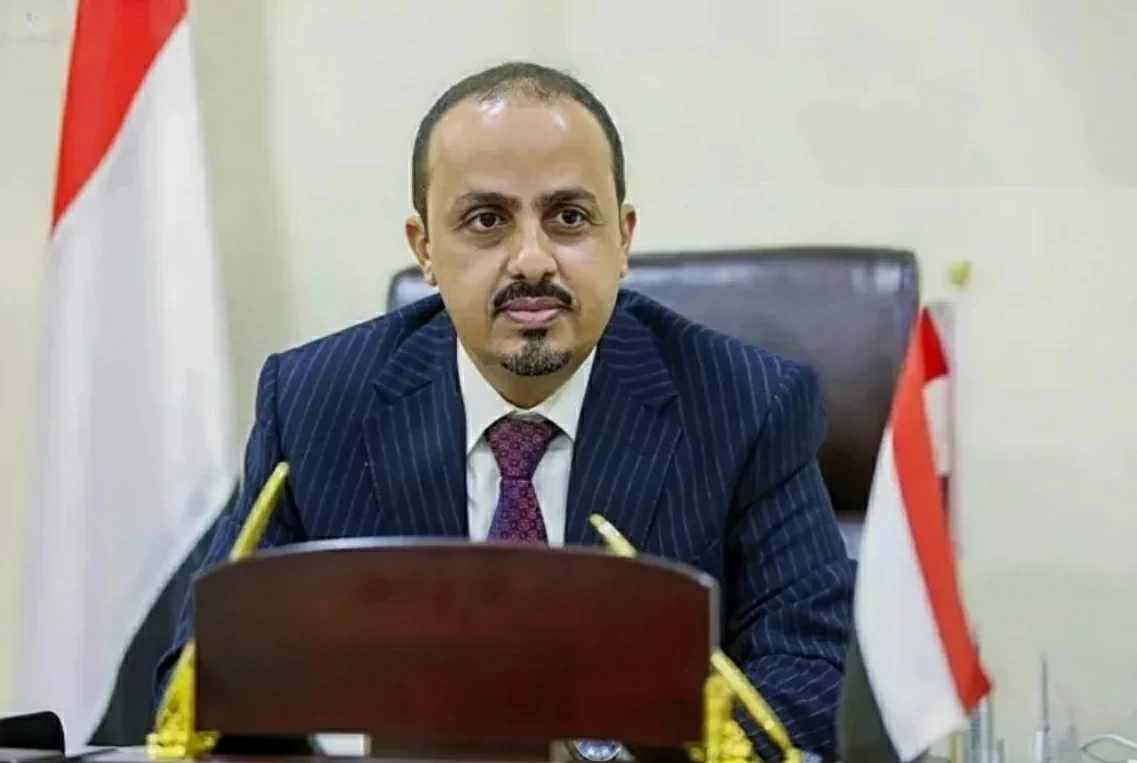
أكد وزير الإعلام اليمني معمر الإرياني أن البيان الأخير للمبعوث الخاص للأمم المتحدة إلى اليمن يثير تساؤلات مشروعة بشأن توقيته ومضمونه، خصوصاً أنه صدر في وقت تواصل مليشيا الحوثي التابعة لإيران تصعيدها العسكري واستهداف المدن والأحياء السكنية والمنشآت المدنية.
وقال الإرياني إن مليشيا الحوثي كثفت خلال الأسابيع الماضية هجماتها بالصواريخ البالستية والطائرات المسيّرة، واستهدفت مناطق مأهولة ومنشآت مدنية في مأرب وتعز والمخا وحضرموت، بالتزامن مع الدفع بتعزيزات عسكرية وحشود بشرية إلى عدد من الجبهات.
وأشار إلى أن المليشيا دفعت بآلاف العناصر والتعزيزات نحو جبهات محافظة تعز، في محاولة لتشديد الخناق على المحافظة وقطع خطوط الإمداد عنها، في ظل وجود نحو ثلاثة ملايين مدني، بالتزامن مع تصعيد عسكري على الساحل الغربي يهدد أمن الملاحة في محيط مضيق باب المندب.
وتساءل الإرياني عن موقف المبعوث الأممي من هذه التطورات، قائلاً إن دعوات ضبط النفس ووقف الأعمال العدائية وحماية المدنيين لا ينبغي أن تتجاهل الطرف الذي بدأ التصعيد، ويحشد قواته ويقصف المدن ويهدد خطوط الملاحة الدولية.
وأضاف أن الحديث عن «التصعيد الأخير» بمعزل عن سياقه وأسبابه يقدم قراءة مجتزأة للمشهد، مؤكداً أن الحكومة اليمنية لم تبدأ المواجهة، وأن القوات المسلحة تقوم بواجبها في حماية المواطنين والدفاع عن المدن والمناطق المحررة والتصدي للهجمات الحوثية.
وأكد وزير الإعلام أن المطلوب من المبعوث الأممي هو تحديد الطرف الذي بدأ التصعيد بوضوح، وتوجيه الضغوط نحو مليشيا الحوثي لوقف هجماتها وسحب حشودها العسكرية ورفع الحصار عن المدن والمناطق اليمنية.
كما دعا إلى الضغط من أجل الإفراج عن المختطفين المحتجزين لدى المليشيا، بمن فيهم موظفو الأمم المتحدة ومكتب المبعوث الأممي، واحترام قواعد القانون الدولي الإنساني، بما يكفل حماية المدنيين وتهيئة الظروف الملائمة لاستئناف مسار سياسي يفضي إلى إنهاء الحرب وتحقيق السلام في اليمن.
The Yemeni Minister of Information, Muammar Al-Eryani, confirmed that the recent statement from the UN Special Envoy to Yemen raises legitimate questions about its timing and content, especially since it was issued at a time when the Iranian-backed Houthi militia continues its military escalation and targets cities, residential neighborhoods, and civilian facilities.
Al-Eryani stated that the Houthi militia has intensified its attacks with ballistic missiles and drones over the past weeks, targeting populated areas and civilian facilities in Marib, Taiz, Al-Mokha, and Hadramout, coinciding with the deployment of military reinforcements and human crowds to several fronts.
He pointed out that the militia has sent thousands of fighters and reinforcements towards the fronts in Taiz Governorate, in an attempt to tighten the noose around the governorate and cut off supply lines, amidst the presence of about three million civilians, alongside a military escalation on the western coast that threatens the security of navigation in the vicinity of the Bab el-Mandeb Strait.
Al-Eryani questioned the UN envoy's stance on these developments, stating that calls for restraint, cessation of hostilities, and protection of civilians should not ignore the party that initiated the escalation, mobilizes its forces, bombards cities, and threatens international shipping routes.
He added that discussing the "recent escalation" in isolation from its context and causes provides a fragmented view of the scene, affirming that the Yemeni government did not initiate the confrontation, and that the armed forces are fulfilling their duty to protect citizens, defend cities and liberated areas, and confront Houthi attacks.
The Minister of Information emphasized that what is required from the UN envoy is to clearly identify the party that initiated the escalation and to direct pressure towards the Houthi militia to stop its attacks, withdraw its military crowds, and lift the siege on Yemeni cities and regions.
He also called for pressure to be exerted for the release of hostages held by the militia, including UN staff and the office of the UN envoy, and to respect the rules of international humanitarian law, ensuring the protection of civilians and creating suitable conditions to resume a political process that leads to ending the war and achieving peace in Yemen.