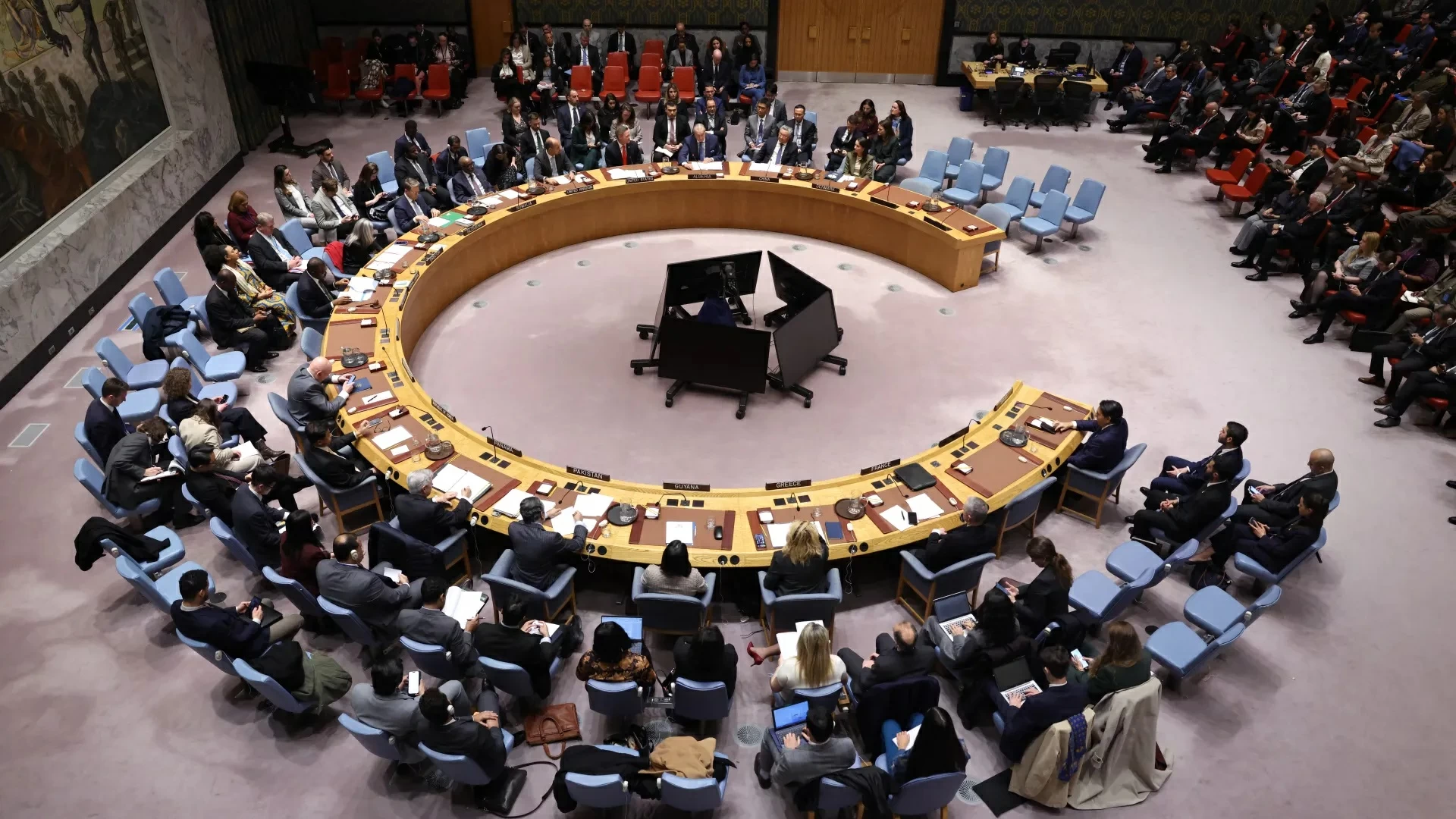
طالب سفير فرنسا لدى الأمم المتحدة جيروم بونافون بالتصويت على تجديد ولاية فريق الخبراء النوويين الخاص بإيران، مؤكداً ضرورة معاقبتها في حال رفضت مراقبة منشآتها.
وقال بونافون الذي تتولى بلاده الرئاسة الدورية لمجلس الأمن: سيتعين على المجلس التصويت على تجديد ولاية فريق الخبراء المعني بإيران وقد أُعيد طرح هذه المسألة في سبتمبر 2025 عندما أعدنا فرض العقوبات على إيران بعد عدم امتثالها لالتزاماتها بموجب برنامجها النووي، مندداً بالتصعيد الإيراني في المنطقة وتداعيات إغلاقها مضيق هرمز على الاقتصاد العالمي.
وأشار إلى أن المجلس سيناقش هذا الشهر مسألة عدم التزام إيران بتعهداتها النووية، لافتاً إلى أنه سيتم النظر في عدم التزام إيران بتعهداتها النووية وما يترتب على ذلك من عواقب.
وأضاف: «من البديهي أن هذه المناقشة لا تُجرى بمعزل عن الواقع، بل في سياق واقع متعدد الأوجه، أحد هذه الأوجه هو الوضع الراهن في الخليج، وتحديداً مضيق هرمز، ولا سيما حرية الملاحة».
ولفت إلى أنه لم تُستعد حرية الملاحة الكاملة في مضيق هرمز، وهذا يُخلّف آثاراً سلبية بالغة على الوضع الدولي، والاقتصادي والأمن الغذائي العالمي.
وكانت الوكالة الدولية للطاقة الذرية أعربت أمس عن قلقها إزاء استمرار عدم تمكن مفتشيها من الوصول إلى المنشآت النووية الإيرانية، مؤكدة أنها لم تتلق أخيراً المعلومات اللازمة من طهران بشأن حالة المواد والمنشآت النووية المعلنة.
وقالت الوكالة إن مفتشيها لم يتمكنوا من الوصول إلى أي من المنشآت الإيرانية لإجراء أنشطة التحقق الميداني، ما يجعلها غير قادرة على التحقق من الحالة الراهنة للبرنامج النووي أو تحديد وضع بعض المواد النووية، موضحة أن عدم منحها حق الوصول إلى منشأة التخصيب الرابعة التي أعلنت عنها إيران في أصفهان يثير القلق، وأنها لا تعرف ما إذا كانت المنشأة تحتوي على مواد نووية من عدمه.
The French Ambassador to the United Nations, Jérôme Bonavon, called for a vote to renew the mandate of the team of nuclear experts concerning Iran, emphasizing the necessity of punishing it if it refuses to monitor its facilities.
Bonavon, whose country holds the rotating presidency of the Security Council, stated: "The Council will have to vote on renewing the mandate of the team of experts concerning Iran, and this issue will be raised again in September 2025 when we reimposed sanctions on Iran after its non-compliance with its obligations under its nuclear program," condemning the Iranian escalation in the region and the implications of its closure of the Strait of Hormuz on the global economy.
He pointed out that the Council will discuss this month the issue of Iran's non-compliance with its nuclear commitments, noting that the non-compliance of Iran with its nuclear obligations and the resulting consequences will be considered.
He added: "It is evident that this discussion is not taking place in isolation from reality, but in the context of a multifaceted reality, one aspect of which is the current situation in the Gulf, specifically the Strait of Hormuz, particularly the freedom of navigation."
He noted that full freedom of navigation in the Strait of Hormuz has not been restored, which has severe negative implications for the international situation, the economy, and global food security.
The International Atomic Energy Agency expressed yesterday its concern over the continued inability of its inspectors to access Iranian nuclear facilities, confirming that it has not recently received the necessary information from Tehran regarding the status of the declared nuclear materials and facilities.
The agency stated that its inspectors have been unable to access any of the Iranian facilities to conduct field verification activities, making it unable to verify the current status of the nuclear program or determine the status of some nuclear materials, clarifying that the lack of access to the fourth enrichment facility announced by Iran in Isfahan raises concerns, and that it does not know whether the facility contains nuclear materials or not.