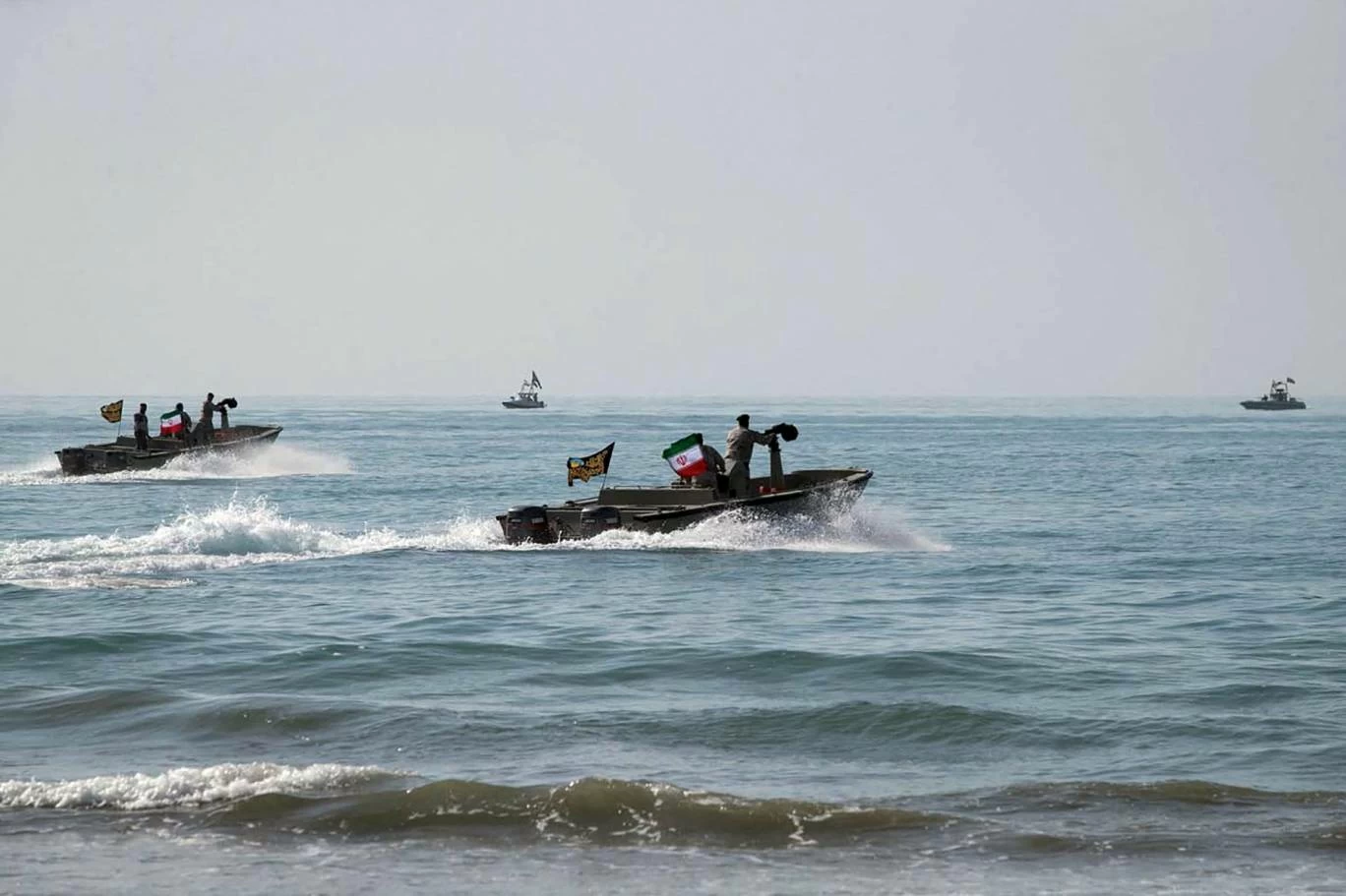
بعد تهديد الرئيس دونالد ترمب بضربة قوية، قصفت القوات الجوية الأمريكية ليل الإثنين، هدفين إيرانيين لإطلاق الصواريخ كانا قادرين على إطلاق ألغام بحرية صغيرة.
صواريخ محملة بالألغام
وأوضح المتحدث باسم القيادة المركزية الأمريكية (CENTCOM) الكابتن تيم هوكينز، أنه تم رصد قوات الحرس الثوري الإيراني وهي تستعد لإطلاق صواريخ محملة بألغام بحرية باتجاه مضيق هرمز.
وأثار هذا النوع من الأسلحة بعض التساؤلات، إذ يُعد من الصواريخ المدفعية التي تطلق ألغاماً في المياه، غير مألوف نسبياً، وقد يشير إلى أن طهران طورت وسيلة جديدة محتملة لإحداث اضطرابات في مضيق هرمز.
يذكر أن إيران تمتلك ترسانة متنوعة من الألغام البحرية، تتراوح بين الألغام اللاصقة الصغيرة التي يثبتها غواصون على هياكل السفن، وألغام أكبر بكثير تُنشر بواسطة القوارب أو السفن ويمكن أن تتسبب في إغراق أهداف بحرية.
إلا أن المعلومات المتاحة علناً حول الألغام التي تُطلق بواسطة الصواريخ من البر ما تزال محدودة للغاية، وفق ما نقلت صحيفة «نيويورك تايمز».
ويعتقد مراقبون أن طهران أضافت نوعاً جديداً من الألغام إلى ترسانتها، وإن كان على الأرجح محدود القوة التدميرية.
نسخة مطورة من صاروخ «فجر-5»
وكان موقع «ذا ماريتايم إكزكيوتيف» المتخصص في أخبار الشحن والصناعة البحرية، أعلن في يناير 2025 بأن إيران عرضت خلال مناورات بحرية نسخة مطورة من صاروخ «فجر-5» قادرة على إطلاق لغم بحري عائم واحد في المياه.
إلا أنه من غير المرجح أن يتسبب مثل هذا السلاح في أضرار جسيمة لسفن الشحن التجارية في المنطقة، حيث إن كثيراً من الناقلات عبارة عن ناقلات مزدوجة الهيكل صُممت لتحمل الثقوب والأضرار دون تسرب حمولتها النفطية. لكن هذه الألغام قد تشكل خطراً أكبر على قوارب الصيد الصغيرة التي تعمل في الخليج العربي.
ويُعتقد أن صاروخ فجر-5 قادر على حمل لغم لا يتجاوز قطره 333 مليمترا، وهو قطر الصاروخ نفسه، ويحتوي على عشرات الأرطال فقط من المتفجرات. وعلى سبيل المقارنة، فإن الألغام البحرية الأكثر خطورة تحتوي على مئات الأرطال من المتفجرات، وتُثبت في مواقعها لتطفو تحت سطح الماء مباشرة أو تستقر في قاع البحر.
إزالة الألغام من مضيق هرمز
أما الألغام الصغيرة التي تحدثت عنها القيادة المركزية الأمريكية، فمن المحتمل أن تُحدث ثقباً محدوداً في هيكل سفينة حربية وتتسبب في تسرب المياه إلى حجرة واحدة محكمة الإغلاق داخل السفينة. وتتحول هذه الذخائر، المعروفة باسم «الألغام المنجرفة»، إلى الانجراف بفعل الرياح والتيارات البحرية فور سقوطها في الماء.
يذكر أنه في مارس الماضي، أفاد مسؤولون استخباراتيون أمريكيون بأن إيران زرعت عدداً من الألغام في المضيق. لكن الرئيس ترمب أعلن في منشور على وسائل التواصل الاجتماعي يوم 25 أغسطس أن جميع الألغام البحرية في المضيق أُزيلت من «المياه الدولية»، في إشارة على الأرجح إلى الممر الملاحي التقليدي الذي تستخدمه السفن التجارية منذ عقود بموجب القانون الدولي.
وأكدت الولايات المتحدة أمس أن هجماتها على جزيرة لارك كانت تهدف إلى منع إيران من نشر المزيد من الألغام البحرية في المضيق، بعد أيام من إعلانها تطهيره من الألغام.
After President Donald Trump's threat of a strong strike, U.S. Air Force targeted two Iranian sites capable of launching small naval mines on Monday night.
Missiles Loaded with Mines
U.S. Central Command (CENTCOM) spokesman Captain Tim Hawkins explained that Iranian Revolutionary Guard forces were observed preparing to launch missiles loaded with naval mines towards the Strait of Hormuz.
This type of weapon has raised some questions, as it is considered a relatively uncommon artillery missile that launches mines into the water, and may indicate that Tehran has developed a potential new means to create disturbances in the Strait of Hormuz.
It is noted that Iran possesses a diverse arsenal of naval mines, ranging from small adhesive mines that divers attach to ship hulls, to much larger mines that are deployed by boats or ships and can cause sinking of naval targets.
However, publicly available information about mines launched by missiles from land remains extremely limited, according to the New York Times.
Observers believe that Tehran has added a new type of mine to its arsenal, although it is likely to have limited destructive power.
Upgraded Version of the "Fajr-5" Missile
The Maritime Executive, a site specializing in shipping and maritime industry news, reported in January 2025 that Iran showcased an upgraded version of the "Fajr-5" missile capable of launching a single floating naval mine into the water during naval exercises.
However, it is unlikely that such a weapon would cause significant damage to commercial shipping vessels in the region, as many tankers are double-hulled designed to withstand holes and damage without leaking their oil cargo. But these mines may pose a greater risk to small fishing boats operating in the Arabian Gulf.
The Fajr-5 missile is believed to be capable of carrying a mine with a diameter not exceeding 333 millimeters, which is the same diameter as the missile itself, and contains only a few dozen pounds of explosives. In comparison, more dangerous naval mines contain hundreds of pounds of explosives and are anchored in place to float just below the water's surface or settle on the seabed.
Mine Removal from the Strait of Hormuz
The small mines mentioned by U.S. Central Command are likely to create a limited hole in the hull of a warship and cause water to leak into one sealed compartment inside the ship. These munitions, known as "drifting mines," drift due to winds and ocean currents as soon as they fall into the water.
It is noted that in March, U.S. intelligence officials reported that Iran had planted several mines in the strait. However, President Trump announced in a social media post on August 25 that all naval mines in the strait had been removed from "international waters," likely referring to the traditional shipping lane used by commercial vessels for decades under international law.
The United States confirmed yesterday that its attacks on Lark Island aimed to prevent Iran from deploying more naval mines in the strait, just days after announcing its clearance of mines from the area.