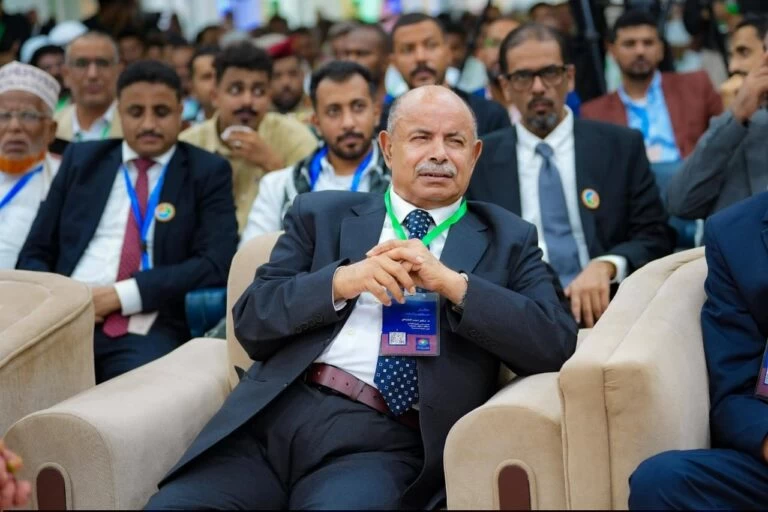
دشنت محافظة حضرموت مرحلة سياسية ومؤسسية جديدة بإعلان تأسيس «المجلس التنسيقي الحضرمي الأعلى»، بعد اختتام أعمال مؤتمره التأسيسي العام في مدينة المكلا اليوم (الإثنين)، بحضور 2000 شخصية يمثلون 28 مديرية.
وأجمع المشاركون على تزكية عضو مجلس القيادة الرئاسي اليمني محافظ حضرموت سالم أحمد الخنبشي رئيساً للمجلس، وتفويضه بتشكيل هيئة الرئاسة خلال أسبوعين، مع فتح باب التشاور لتعزيز وحدة الصف.
وأكد عضو مجلس القيادة الرئاسي محافظ حضرموت سالم الخنبشي أن المؤتمر يمثل محطة فارقة لتأسيس مجلس جامع يستوعب مختلف المكونات والقوى الحضرمية، ويوفر مساحة حوار مشتركة لتوحيد المواقف حول المصالح العليا دون مصادرة قرار أي طرف.
وأوضح أن الثروات والموارد يجب أن تتحول إلى خدمات ملموسة للمواطنين وفق مبدأ العدالة، مشدداً على أن المجلس سيكون سنداً للسلطة المحلية في ترسيخ الأمن والتنمية.
وعلى الصعيد السياسي، بيّن الخنبشي أن المشروع السياسي للمجلس ورؤية حضرموت للحوار الجنوبي الشامل يأتيان في إطار بناء الدولة والتمسك بمؤسساتها، مؤكداً أن أمن حضرموت جزء لا يتجزأ من أمن اليمن والمنطقة.
وحذر من أن خطر المليشيا الحوثية بات تهديداً للملاحة والمصالح الدولية، مشيداً بالعلاقات التاريخية والراسخة التي تربط حضرموت بالسعودية، متطلعاً إلى التوسع في مجالات التعاون والتنسيق الشامل بما يخدم المصالح المشتركة ويعزز الاستقرار التام.
من جهته، كشف عضو اللجنة التحضيرية للمجلس التنسيقي الحضرمي الأعلى الدكتور رفعت سالم باصريح، لـ«عكاظ»، أن المؤتمر أنهى مرحلة الإعداد والتهيئة ليدخل في مرحلة العمل المؤسسي، مؤكداً أن الاختبار الحقيقي يكمن في الحفاظ على روح التوافق وتحويلها إلى برامج ومبادرات ملموسة.
وثمّن باصريح الدور الأخوي الصادق والمستمر للسعودية، مشيداً بحرص القيادة السعودية على إنجاح ومساندة المبادرات والمشاريع الوطنية الجامعة كافة، وفي مقدمتها مشروع «المجلس التنسيقي الحضرمي الأعلى»، بما يعزز الاستقرار الداخلي ويخدم الأمن الإقليمي، مؤكداً أن جهود المملكة كانت وستظل الركيزة الأساسية لدعم تطلعات أبناء حضرموت واليمن نحو التنمية وبناء مؤسسات الدولة.
ولفت باصريح إلى أن المرحلة القادمة تضع أمام الخنبشي مسؤولية كبيرة لإدارة التوافق والحفاظ على الشراكة بين المكونات.
وأوضح باصريح أن فلسفة المجلس تقوم على التكامل لا الإحلال، والشراكة لا المنافسة، مؤكداً أن المجلس ليس بديلاً عن المكونات القائمة، بل هو إطار يجمع الرؤى المتعددة وينقلها من تباين المواقف إلى وحدة الرؤية.
وأضاف أن حضرموت تقف اليوم أمام فرصة تاريخية تتطلب دخول أي استحقاق سياسي بموقف موحد ورؤية واضحة حول الثوابت والمطالب.
وحول دور الكفاءات والتعددية السياسية، أكد باصريح أن بناء المؤسسات لا يتم بالسياسة وحدها، بل يتطلب إشراك الكفاءات الأكاديمية والمهنية ورجال الأعمال والشباب والمرأة، مشدداً على أن التعدد في المكونات مصدر قوة متى ما تمت إدارته بحكمة واتفاق على قضايا الأمن والتنمية وتحسين الخدمات.
وختم باصريح حديثه بالقول إن انتهاء المؤتمر هو بداية المشروع الحقيقية، وإن الرهان ينصبّ حالياً على العمل الميداني وإشراك الكفاءات، مبيناً أنه متى ما توحدت إرادة الحضارم حول مصالحهم العليا فإن حضرموت ستغدو شريكاً أصيلاً في صناعة مستقبلها.
The Governorate of Hadhramaut has launched a new political and institutional phase by announcing the establishment of the "Supreme Hadhrami Coordinating Council," following the conclusion of its founding conference today (Monday) in the city of Mukalla, with the attendance of 2,000 figures representing 28 districts.
The participants unanimously endorsed the nomination of the member of the Yemeni Presidential Leadership Council, Governor of Hadhramaut, Salem Ahmed Al-Khanbashi, as the president of the council, and authorized him to form the presidency body within two weeks, while opening the door for consultations to enhance unity.
Member of the Presidential Leadership Council, Governor of Hadhramaut, Salem Al-Khanbashi, affirmed that the conference represents a pivotal moment for establishing a comprehensive council that accommodates various components and Hadhrami forces, providing a common dialogue space to unify positions around higher interests without infringing on the decision of any party.
He clarified that wealth and resources should be transformed into tangible services for citizens based on the principle of justice, emphasizing that the council will support the local authority in establishing security and development.
On the political front, Al-Khanbashi indicated that the political project of the council and Hadhramaut's vision for a comprehensive southern dialogue come within the framework of building the state and adhering to its institutions, asserting that the security of Hadhramaut is an integral part of the security of Yemen and the region.
He warned that the threat posed by the Houthi militia has become a danger to navigation and international interests, praising the historical and solid relations that connect Hadhramaut with Saudi Arabia, looking forward to expanding areas of cooperation and comprehensive coordination that serve common interests and enhance complete stability.
For his part, Dr. Rafat Salem Basrih, a member of the preparatory committee for the Supreme Hadhrami Coordinating Council, revealed to "Okaz" that the conference has concluded the preparation and readiness phase to enter the institutional work phase, confirming that the real test lies in maintaining the spirit of consensus and transforming it into tangible programs and initiatives.
Basrih valued the sincere and ongoing brotherly role of Saudi Arabia, praising the Saudi leadership's commitment to the success and support of all national initiatives and projects, foremost among them the project of the "Supreme Hadhrami Coordinating Council," which enhances internal stability and serves regional security, affirming that the Kingdom's efforts have been and will remain the cornerstone of supporting the aspirations of the people of Hadhramaut and Yemen towards development and building state institutions.
Basrih pointed out that the upcoming phase places a significant responsibility on Al-Khanbashi to manage consensus and maintain partnership among the components.
He explained that the philosophy of the council is based on integration, not replacement, and partnership, not competition, emphasizing that the council is not a substitute for existing components, but rather a framework that brings together diverse visions and transforms them from differing positions into a unified vision.
He added that Hadhramaut stands today before a historic opportunity that requires entering any political entitlement with a unified position and a clear vision regarding constants and demands.
Regarding the role of competencies and political pluralism, Basrih affirmed that building institutions cannot be achieved through politics alone, but requires the involvement of academic and professional competencies, businessmen, youth, and women, stressing that diversity in components is a source of strength as long as it is managed wisely and agreed upon regarding security, development, and improving services.
Basrih concluded his remarks by stating that the end of the conference is the true beginning of the project, and that the current focus is on fieldwork and involving competencies, indicating that whenever the will of the Hadhramis unites around their higher interests, Hadhramaut will become a genuine partner in shaping its future.