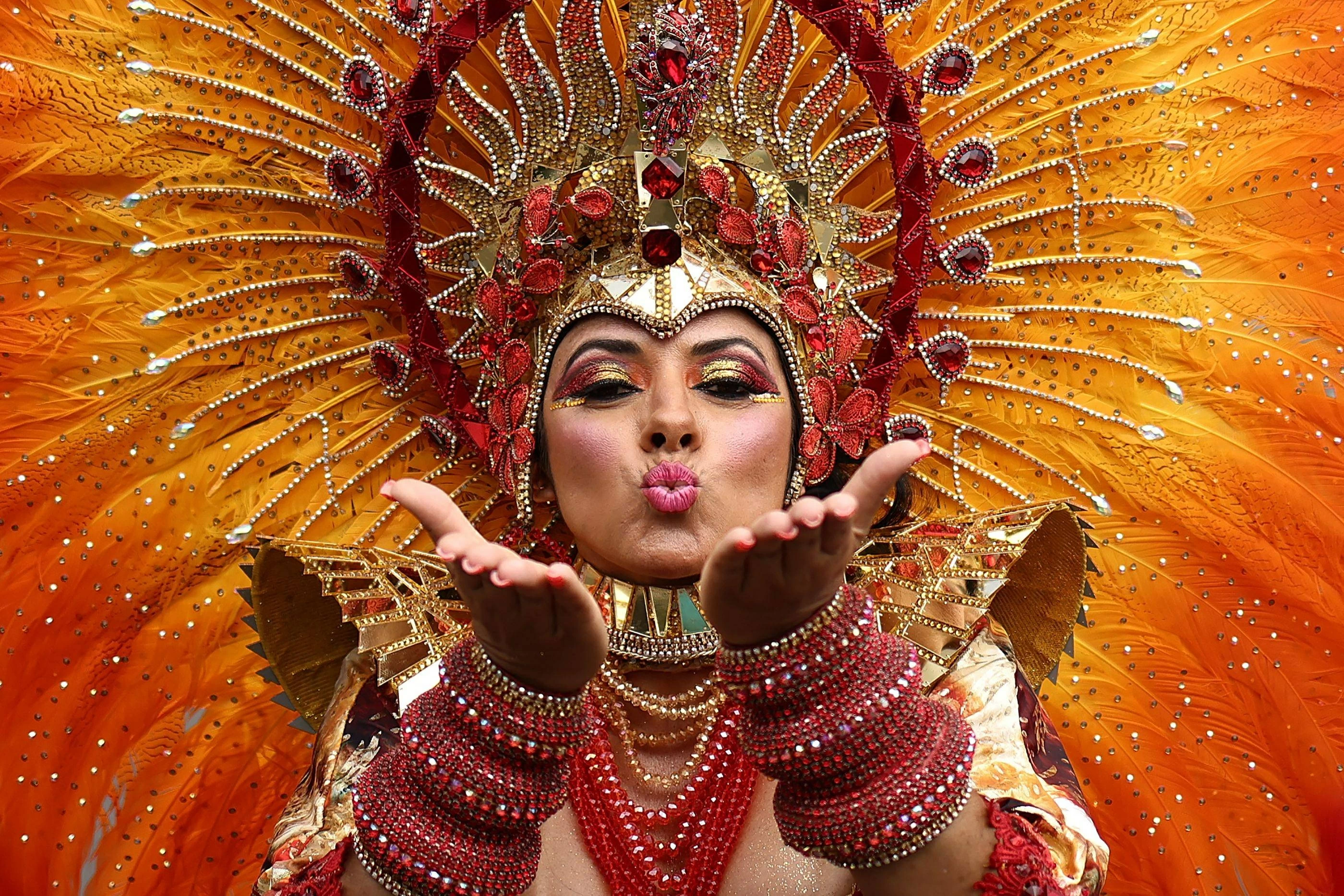
من شوارع شهدت التوترات العرقية والانقسامات الاجتماعية، إلى واحد من أكبر الاحتفالات الشعبية في أوروبا؛ قصة كرنفال «نوتينغ هيل» هي حكاية مجتمع حوّل الألم إلى موسيقى، والاحتجاج إلى تقليد سنوي يجذب ملايين الزوار إلى غرب لندن.
انطلقت أولى فعاليات الكرنفال عام 1966، بوصفها تظاهرة ثقافية ذات جذور احتجاجية ضد العنصرية التي واجهها المهاجرون السود من منطقة الكاريبي. واليوم، وبعد ستة عقود، أصبح الحدث أحد أبرز رموز التنوع الثقافي في العاصمة البريطانية، وثاني أكبر كرنفال شوارع في العالم بعد كرنفال ريو دي جانيرو في البرازيل.
ولم تكن منطقة نوتينغ هيل في بدايات الكرنفال تشبه صورتها الراقية الحالية؛ إذ كانت حتى منتصف الثمانينيات من الأحياء التي عانت الفقر والتهميش، واستقر فيها عدد كبير من المهاجرين القادمين من منطقة الكاريبي.
من التوترات العرقية إلى ولادة الكرنفال
يمتد الكرنفال على يومين كل عام، ليعيد إلى شوارع لندن صدى الثقافة الأفرو-كاريبية التي تركت بصمة عميقة في المدينة. وترتبط جذوره بجيل «ويندراش» وثقافة أنظمة الصوت الموسيقية التي وصلت من جامايكا، في وقت كانت نوتينغ هيل تعيش على وقع التوترات العرقية وأعمال العنف.
وبعد الاضطرابات العرقية التي شهدتها المنطقة عام 1958، ثم مقتل النجار الأنتيغوي كيلسو كوكرين عام 1959 على يد مجموعة من الرجال البيض، بدأت محاولات محلية لرأب الصدع داخل المجتمع.
وفي عام 1966، نظمت العاملة الاجتماعية المحلية رون لاسليت حفلاً في الشارع للأطفال، أملاً في تقريب أفراد المجتمع المنقسم. وفي خضم تلك الأجواء، خرج عازف الـ«ستيل بان» الترينيدادي راسل هندرسون برفقة فرقته إلى شارع بورتوبيلو، لتبدأ بذلك الملامح الأولى للكرنفال الذي سيصبح لاحقاً ظاهرة عالمية.
عندما أصبحت الموسيقى صوت الشباب
خلال سبعينيات القرن الماضي، بدأت أنظمة الصوت تحتل موقعاً مركزياً في الكرنفال، بالتزامن مع إدخال المنظم ليزلي بالمر المزيد من عروض الأزياء الكاريبية والموسيقى الحية.
وكانت أنظمة الصوت بالنسبة إلى جيل الشباب أكثر من مجرد موسيقى؛ فقد كانت مساحة للتعبير وإثبات الحضور والهوية، وهو ما لخّصه بالمر بقوله إن «أنظمة الصوت كانت صوت الشباب».
ومع مرور العقود، لم تتوقف الموسيقى عن التطور. فانتقلت أجواء الكرنفال من الكاليبسو والريغي والدَب والسوكا، إلى الجنغل و«درام آند بايس» والهيب هوب والـ«غرايم» و«يو كي غاراج»، لتصبح شوارع نوتينغ هيل مرآة للتحولات الموسيقية والثقافية التي شهدتها لندن.
From streets that witnessed racial tensions and social divisions to one of the largest popular celebrations in Europe; the story of the Notting Hill Carnival is a tale of a community that transformed pain into music, and protest into an annual tradition that attracts millions of visitors to West London.
The first events of the carnival kicked off in 1966 as a cultural demonstration with protest roots against the racism faced by Black immigrants from the Caribbean. Today, after six decades, the event has become one of the most prominent symbols of cultural diversity in the British capital and the second largest street carnival in the world after the Rio de Janeiro Carnival in Brazil.
Notting Hill, in the early days of the carnival, did not resemble its current upscale image; until the mid-1980s, it was one of the neighborhoods that suffered from poverty and marginalization, housing a large number of immigrants from the Caribbean.
From racial tensions to the birth of the carnival
The carnival spans two days each year, bringing back to the streets of London the echoes of Afro-Caribbean culture that left a deep mark on the city. Its roots are linked to the "Windrush" generation and the sound system culture that arrived from Jamaica, at a time when Notting Hill was living through racial tensions and acts of violence.
Following the racial disturbances that the area experienced in 1958, and the murder of Antiguan carpenter Kelso Cochrane in 1959 at the hands of a group of white men, local attempts began to mend the rift within the community.
In 1966, local social worker Ron Laslett organized a street party for children, hoping to bring together the divided community. Amidst this atmosphere, Trinidadian steel pan player Russell Henderson and his band took to Portobello Road, marking the beginnings of the carnival that would later become a global phenomenon.
When music became the voice of youth
During the 1970s, sound systems began to occupy a central place in the carnival, coinciding with organizer Leslie Palmer introducing more Caribbean fashion shows and live music.
For the youth generation, sound systems were more than just music; they were a space for expression and a way to assert presence and identity, which Palmer summarized by saying that "sound systems were the voice of the youth."
As the decades passed, the music continued to evolve. The carnival atmosphere shifted from calypso, reggae, dub, and soca to jungle, drum and bass, hip-hop, grime, and UK garage, making the streets of Notting Hill a mirror of the musical and cultural transformations that London experienced.