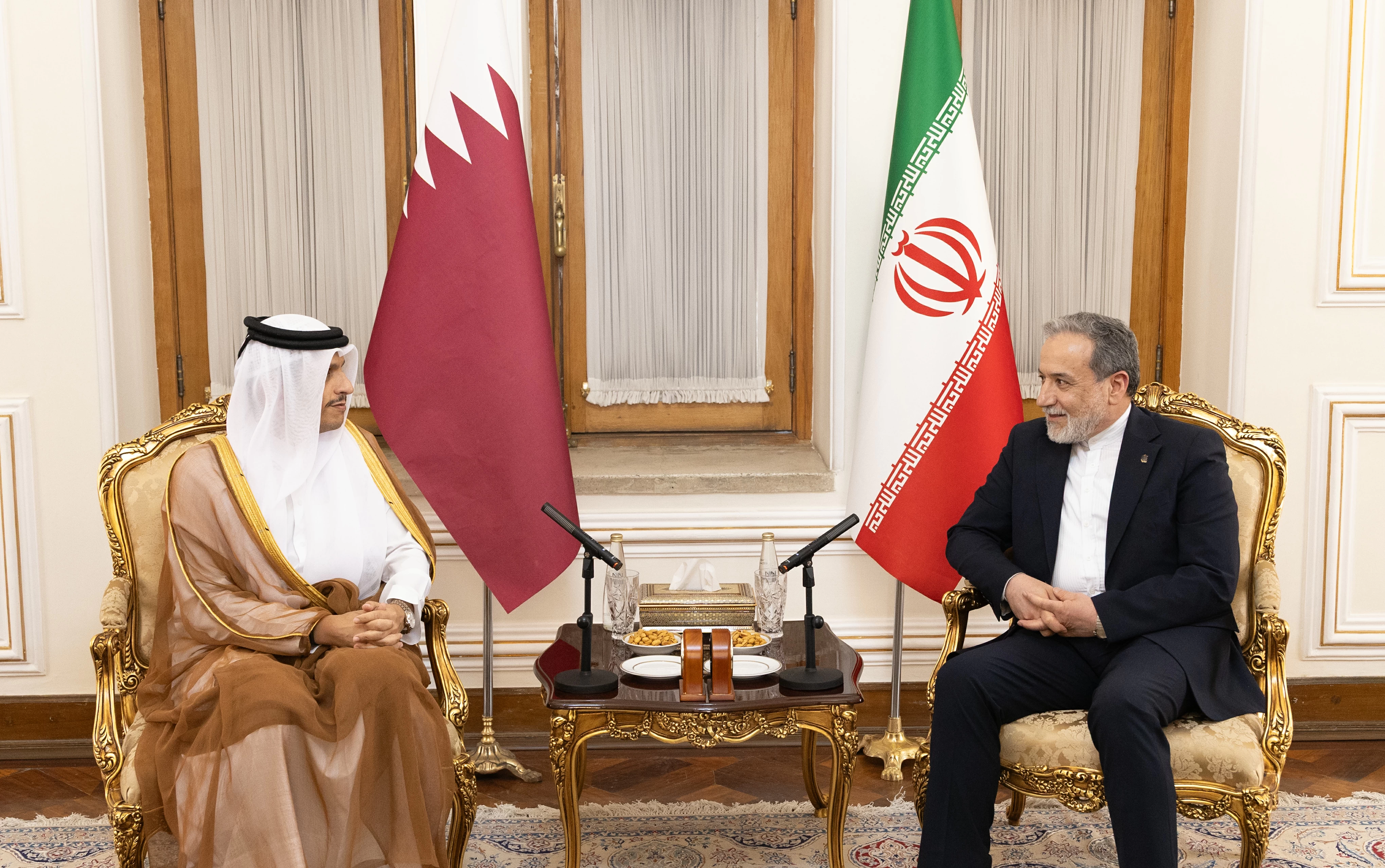
أكد رئيس الوزراء وزير الخارجية القطري الشيخ محمد بن عبدالرحمن آل ثاني، اليوم (الخميس)، ضرورة احترام سيادة دول الجوار واحترام حرية الملاحة، وذلك خلال لقائه وزير الخارجية الإيراني عباس عراقجي في طهران.
وشدد آل ثاني على أهمية مواصلة الجهود الدبلوماسية لخفض التصعيد ومعالجة الخلافات عبر الحوار. وبحسب بيان الخارجية القطرية، فإن الاجتماع استعرض آخر تطورات الأوضاع في المنطقة والجهود المبذولة لخفض التصعيد وتهيئة الظروف الملائمة للحوار بما يسهم في تعزيز الأمن والاستقرار الإقليميين.
وأشار البيان إلى أن الاجتماع استعرض المناقشات الجارية بشأن الإطار المرحلي المقترح، الذي يتضمن إنشاء ممر ملاحي مؤقت مشترك عبر مضيق هرمز، والاتفاق على تنفيذ مشروع مشترك لتطهير المضيق من الألغام.
من جانبه، أشاد وزير الخارجية الإيراني بالجهود المستمرة لقطر ومساعيها الدبلوماسية الرامية إلى خفض التصعيد ودعم الحوار.
وتركز الجهود المبذولة حالياً على إعادة فتح مضيق هرمز، فيما لا تزال واشنطن تتمسك بسلاح «العقوبات الاقتصادية» باعتباره الخيار الأفضل في هذه المرحلة.
ونقلت «بلومبيرغ» عن مصادر قولها، إن حلفاء الولايات المتحدة حذروا، في أحاديث خاصة، من أن مضيق هرمز لا يزال على الأرجح مزروعاً بالألغام، مبينة أن الولايات المتحدة أحرزت على الأرجح بعض التقدم في إزالة الألغام من المياه الدولية، لكنها تعتقد أن جهود إزالة الألغام لم تنجح في تطهير المضيق من جميع الألغام التي زرعتها إيران، والتي يُقدر عددها بين 80 و150 لغماً.
وكان وزير الحرب الأمريكي بيت هيغسيث قد صرح أمس، بأن «الضغط الاقتصادي هو الأكثر إيلاماً لإيران في الوقت الراهن»، مشيراً إلى أن تركيز واشنطن الحالي بعيد عن التصعيد العسكري، معتبراً أن خيار شن ضربات على إيران لا يزال مطروحاً.
وقال هيغسيث في تصريحات أوردتها شبكة «نيوز ماكس» الأمريكية: «لا نستبعد بأي حال استخدام ضربات عسكرية في أي مكان بمضيق هرمز أو حول إيران».
Qatar's Prime Minister and Minister of Foreign Affairs Sheikh Mohammed bin Abdulrahman Al Thani emphasized today (Thursday) the necessity of respecting the sovereignty of neighboring countries and ensuring freedom of navigation during his meeting with Iranian Foreign Minister Abbas Araghchi in Tehran.
Al Thani stressed the importance of continuing diplomatic efforts to de-escalate tensions and address disputes through dialogue. According to a statement from the Qatari Foreign Ministry, the meeting reviewed the latest developments in the region and the efforts being made to reduce tensions and create favorable conditions for dialogue that contribute to enhancing regional security and stability.
The statement noted that the meeting discussed ongoing discussions regarding the proposed interim framework, which includes the establishment of a temporary joint shipping corridor through the Strait of Hormuz, and agreeing to implement a joint project to clear the strait of mines.
For his part, the Iranian Foreign Minister praised Qatar's ongoing efforts and its diplomatic endeavors aimed at de-escalation and supporting dialogue.
Current efforts are focused on reopening the Strait of Hormuz, while Washington continues to rely on the weapon of "economic sanctions" as the best option at this stage.
Bloomberg reported that sources indicated U.S. allies have privately warned that the Strait of Hormuz is still likely to be mined, noting that the U.S. has likely made some progress in clearing mines from international waters, but it believes that the mine-clearing efforts have not succeeded in clearing the strait of all the mines planted by Iran, which are estimated to number between 80 and 150.
U.S. Secretary of Defense Pete Hegseth stated yesterday that "economic pressure is the most painful for Iran at the moment," pointing out that Washington's current focus is away from military escalation, while considering that the option of striking Iran is still on the table.
Hegseth said in remarks reported by the American network Newsmax: "We do not rule out the use of military strikes anywhere in the Strait of Hormuz or around Iran."