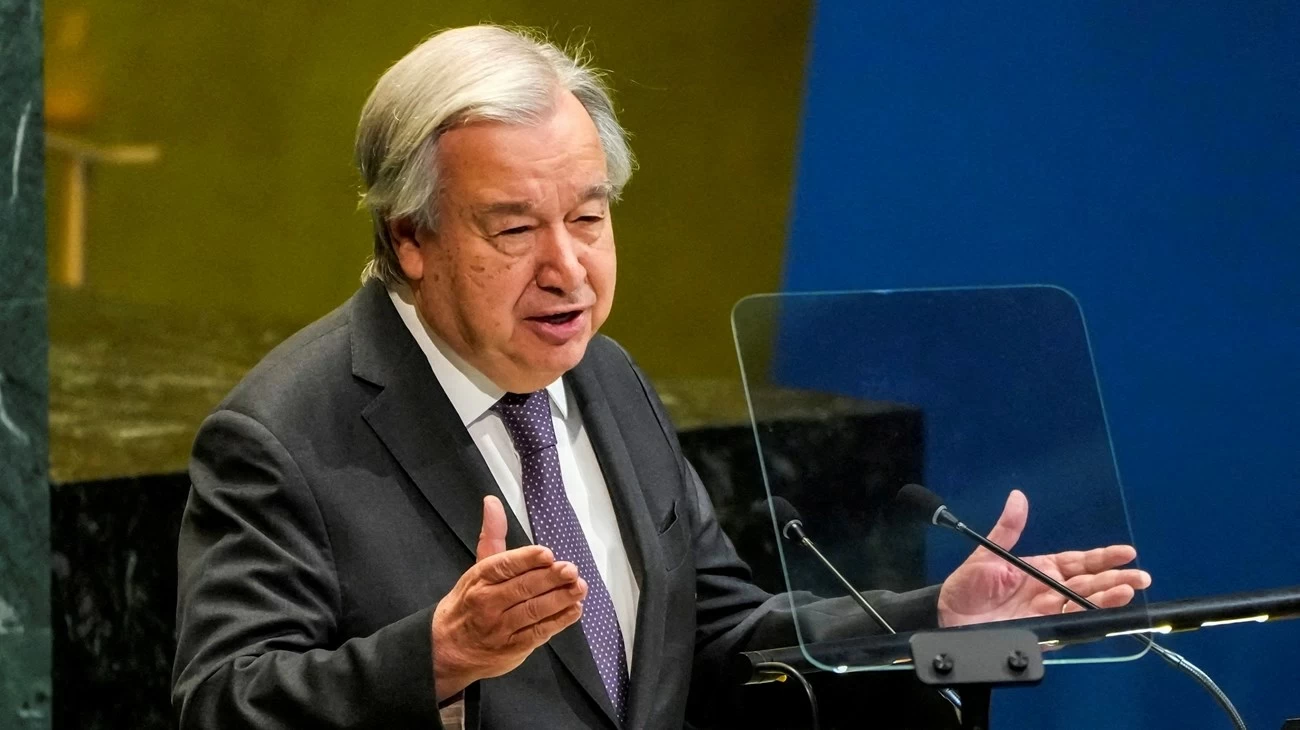
حذّر الأمين العام للأمم المتحدة أنطونيو غوتيريش من أن العالم يقترب من الانزلاق إلى «مواجهة عالمية»، في ظل تراجع دور المؤسسات الدولية وصعود نظام عالمي متعدد الأقطاب، مؤكداً أن مجلس الأمن بات مشلولاً بسبب الخلافات بين القوى العظمى.
إدراك حدود القوة
وقال غوتيريش إن التطورات الأخيرة في أوكرانيا والشرق الأوسط كشفت أن قدرة القوى الكبرى على فرض إرادتها أصبحت «محدودة للغاية»، مشيراً إلى الحرب الروسية في أوكرانيا والمواجهة بين الولايات المتحدة وإيران.
واعتبر أن العالم يشهد انتقالاً من مرحلة الهيمنة الأمريكية بعد الحرب الباردة إلى نظام متعدد الأقطاب، محذراً من أن هذا التحول قد يقود إلى مزيد من المنافسة ثم المواجهة، إذا لم تتكيف المؤسسات الدولية مع موازين القوى الجديدة.
وأكد أن الوقت قد حان لكي تدرك القوى العظمى حدود قدرتها، معتبراً أن الأمور تغيرت، وأن وزن الدول وتأثيرها لم يعد كما كان.
خلافات بين روسيا وأمريكا
وانتقد الأمين العام عجز مجلس الأمن عن التعامل مع الأزمات الكبرى، معتبراً أنه أصبح «مشلولاً عملياً»؛ بسبب الخلافات بين الولايات المتحدة وروسيا، العضوين الدائمين اللذين يمتلكان حق النقض.
وقال إن هذا الجمود أدى إلى تراجع نفوذ الأمم المتحدة وخلق شعور متزايد بـ«الإفلات من العقاب»، خصوصاً في أزمات مثل أوكرانيا وغزة والسودان.
وأقر بأن المنظمة الدولية دُفعت إلى هامش عدد من النزاعات، لكنه نفى التخلي عن جهود الوساطة، مؤكداً أن الوساطة اليوم بالغة الصعوبة، والنتائج محدودة. لكننا لا نستسلم.
لاتقدم لمجلس السلام في غزة
ورفض غوتيريش فكرة أن «مجلس السلام» الذي أنشأه الرئيس الأمريكي دونالد ترمب يمكن أن يحل محل مجلس الأمن الدولي أو ينافس الأمم المتحدة، مشيراً إلى عدم إحرازه تقدماً حاسماً في غزة.
وقال إن على الآخرين أن يقلقوا بشأن أدائهم، وليس الأمم المتحدة، في إشارة إلى الانتقادات الموجهة للمنظمة بسبب محدودية تأثيرها في الصراعات الراهنة.
ضغوط مالية وتراجع القدرات
وتحدّث عن الأزمة المالية التي تواجه الأمم المتحدة، لافتاً إلى أن المتأخرات بلغت نحو 4 مليارات دولار، فيما خُفض عدد الوظائف في ميزانية 2026 بنسبة 22%، كما تراجع عدد قوات حفظ السلام بنحو 25% خلال العام الماضي. وأكد أن المنظمة لم تنهَر رغم الضغوط، لكنها اضطرت إلى تقليص قدراتها والتكيف مع الواقع المالي الجديد.
إصلاح مجلس الأمن حتمي
ودعا إلى إعادة النظر في تركيبة مجلس الأمن، معتبراً أن وجود ثلاث دول أوروبية بين القوى الخمس الدائمة العضوية «أمر غير قابل للاستمرار» في ظل التغيرات التي طرأت على موازين القوى العالمية.
وقال إن إصلاح المجلس سيكون صعباً، لكنه شدد على أن «الواقع على الأرض سيفرض نفسه في نهاية المطاف»، وأن المجلس سيضطر إلى التكيف مع الوزن النسبي للقوى المختلفة.
وحذّر غوتيريش من أن تجاهل هذه التحولات قد يقود إلى سيناريو مشابه لأوروبا قبل الحرب العالمية الأولى، حين أدى تعدد مراكز القوة في غياب مؤسسات فعالة لإدارة التنافس إلى اندلاع الحرب.
The Secretary-General of the United Nations, António Guterres, warned that the world is nearing a "global confrontation," as the role of international institutions declines and a multipolar world order rises, emphasizing that the Security Council has become paralyzed due to disagreements among the great powers.
Recognizing the Limits of Power
Guterres stated that recent developments in Ukraine and the Middle East have revealed that the ability of major powers to impose their will has become "extremely limited," pointing to the Russian war in Ukraine and the confrontation between the United States and Iran.
He considered that the world is witnessing a transition from the era of American dominance after the Cold War to a multipolar system, warning that this shift could lead to further competition and then confrontation if international institutions do not adapt to the new balance of power.
He affirmed that the time has come for the great powers to recognize the limits of their capabilities, noting that circumstances have changed, and the weight and influence of states are no longer what they used to be.
Disagreements Between Russia and America
The Secretary-General criticized the Security Council's inability to address major crises, considering it has become "practically paralyzed" due to disagreements between the United States and Russia, the two permanent members with veto power.
He stated that this stalemate has led to a decline in the influence of the United Nations and created an increasing sense of "impunity," especially in crises such as Ukraine, Gaza, and Sudan.
He acknowledged that the international organization has been pushed to the margins of several conflicts, but he denied abandoning mediation efforts, asserting that mediation today is extremely difficult, and the results are limited. However, we do not give up.
No Progress for the Peace Council in Gaza
Guterres rejected the idea that the "Peace Council" established by former U.S. President Donald Trump could replace the United Nations Security Council or compete with the UN, pointing out that it has not made significant progress in Gaza.
He said that others should be concerned about their performance, not the United Nations, referring to the criticisms directed at the organization due to its limited impact on current conflicts.
Financial Pressures and Reduced Capabilities
He spoke about the financial crisis facing the United Nations, noting that arrears have reached about $4 billion, while the number of jobs in the 2026 budget has been reduced by 22%, and the number of peacekeeping forces has decreased by about 25% over the past year. He affirmed that the organization has not collapsed despite the pressures, but it has been forced to reduce its capabilities and adapt to the new financial reality.
Reform of the Security Council is Inevitable
He called for a reconsideration of the composition of the Security Council, considering that having three European countries among the five permanent powers is "unsustainable" in light of the changes in the global balance of power.
He said that reforming the council will be difficult, but he stressed that "the reality on the ground will ultimately impose itself," and the council will have to adapt to the relative weight of different powers.
Guterres warned that ignoring these transformations could lead to a scenario similar to Europe before World War I, when the multiplicity of power centers in the absence of effective institutions to manage competition led to the outbreak of war.