في ظل استحقاقين خارجيين أمريكي وإسرائيلي يطبعان المسار السياسي والأمني في لبنان، ومع ترقب جلسة مجلس الأمن الدولي، الجمعة القادم، لبحث ترتيبات جنوب لبنان ومستقبل قوات «اليونيفيل» قبيل انتهاء مهمتها بنهاية عام 2026، يبرز المسار التفاوضي كعنوان مركزي للمرحلة.
وفي هذا السياق، يتابع المنسق الأمريكي جوزف كليرفيلد عدداً من الملفات التي يفترض أن تشكل أساس الجولة الثامنة المرتقبة في روما، وفي مقدمها صيغة آلية التحقق، تثبيت الحدود، وملف تبادل الأسرى، إذ لن تتم عودة الوفدين اللبناني والإسرائيلي إلى الطاولة قبل أن ينهي كليرفيلد مهمته في إعداد المقاربات والخيارات المتعلقة بهذه الملفات.
وفي هذه المرحلة الدقيقة التي تتقاطع فيها تعقيدات الميدان وضغوط التسويات، يؤكد الموقف الرسمي اللبناني، بلسان الرئيس جوزيف عون، أن مسار التفاوض، رغم صعوباته والعراقيل التي تعترضه، يظل الخيار الأوحد لتفادي الويلات والمآسي التي تسببت بها الحرب.
وشدد عون أمام وفد المجلس العام الماروني، اليوم (الأربعاء)، أن قرار المفاوضات اتُّخذ لتفادي الويلات والمآسي التي تسببت بها الحرب، مؤكداً أن التفاوض يبقى أفضل بكثير من الحرب.
وقال: «نحن نلتقي على الأهداف نفسها: تحرير الجنوب ونشر الجيش حتى الحدود، واسترجاع الأسرى وعودة الأهالي وإعادة الإعمار»، مضيفاً أن هذه الأهداف «لا يمكن تحقيقها بالحرب وفق ما تبيّن، فلا خيار بالتالي إلا التفاوض». وأوضح أن المفاوضات «ليست سهلة وسريعة وهناك عراقيل وصعوبات»، مؤكداً أن اللجوء إليها جاء لتجنّب تكرار مآسي الحرب.
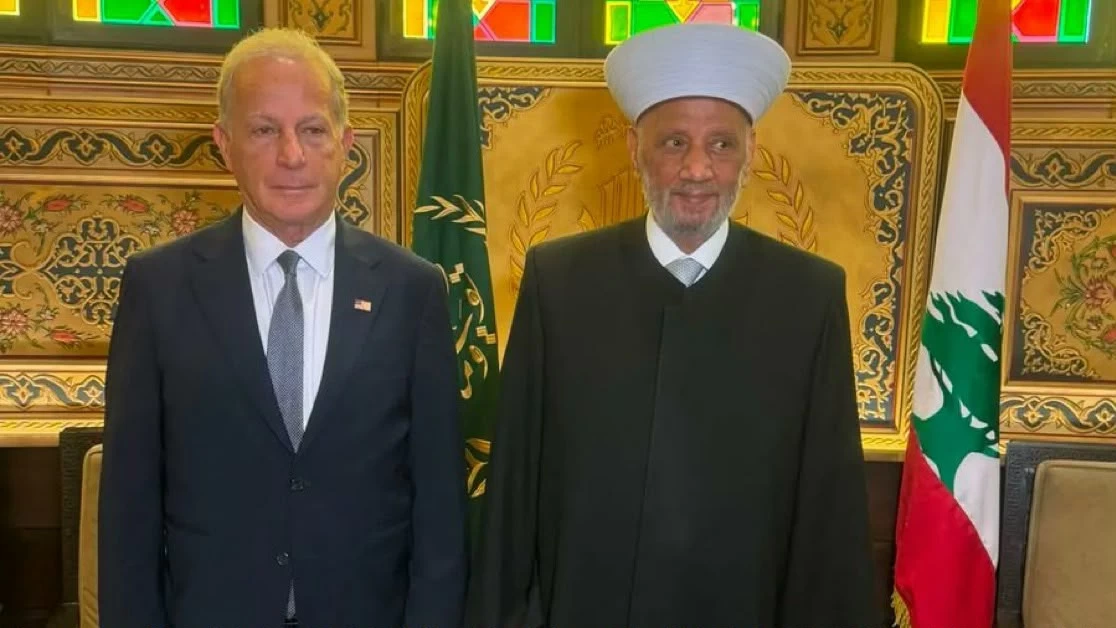
على خط موازٍ، أعلن السفير الأمريكي في لبنان ميشال عيسى، بعد لقائه مفتي الجمهورية الشيخ عبداللطيف دريان في دار الفتوى، وجود تقدم في ملف المناطق التجريبية، مشيراً إلى أن «ما هو على الورق يتطلب وقتاً للتنفيذ». وفيما يتعلق بمنطقة علي الطاهر، قال: «لا أعلم ما سيحدث.. لننتظر ونرى». وأكد عيسى حرص الولايات المتحدة على الوقوف إلى جانب الشعب اللبناني وتحقيق سيادته وأمنه واستقلاله، مشيراً إلى تقارب المواقف مع مفتي الجمهورية بشأن أهمية العيش المشترك.
وفي ردوده على التطورات الميدانية والسياسية، لفت عيسى إلى وجود الاعتداءات الإسرائيلية، داعياً في المقابل إلى طرح التساؤلات بشمولية بالقول: «كل ما تطلبونه فقط من إسرائيل أن تنسحب، فلماذا لا تطلبون من الحزب أن ينزع سلاحه؟».
وحول طبيعة الموقف الأمريكي من التواصل مع الحزب، أوضح أن واشنطن لا تطرح التفاوض معه «إلا إذا كان لديه شيء يقدمه»، مختتماً بالتأكيد على استمرار المفاوضات وأن ما يُحضّر على الورق يحتاج إلى وقت للتنفيذ على الأرض في ظل تقدم ملف المناطق التجريبية.
In light of two external American and Israeli entitlements shaping the political and security trajectory in Lebanon, and with anticipation for the upcoming session of the United Nations Security Council next Friday to discuss arrangements in southern Lebanon and the future of the "UNIFIL" forces before the end of their mission at the end of 2026, the negotiation process emerges as a central theme for this phase.
In this context, American coordinator Joseph Clearfield is following up on several files that are expected to form the basis for the anticipated eighth round in Rome, foremost among them being the verification mechanism, border stabilization, and the prisoner exchange file, as the Lebanese and Israeli delegations will not return to the table until Clearfield completes his mission in preparing approaches and options related to these files.
In this delicate phase, where field complexities intersect with settlement pressures, the official Lebanese position, articulated by President Joseph Aoun, emphasizes that the negotiation process, despite its difficulties and obstacles, remains the only option to avoid the calamities and tragedies caused by war.
Aoun stressed before a delegation from the Maronite General Council today (Wednesday) that the decision for negotiations was made to avoid the calamities and tragedies caused by war, affirming that negotiation remains far better than war.
He said: "We meet on the same goals: liberating the south, deploying the army to the borders, recovering prisoners, returning families, and reconstruction," adding that these goals "cannot be achieved through war as has been shown, so there is no choice but negotiation." He clarified that negotiations "are not easy or quick and there are obstacles and difficulties," emphasizing that resorting to them came to avoid repeating the tragedies of war.
On a parallel line, the American ambassador in Lebanon, Michel Aissa, announced after meeting with the Grand Mufti of the Republic, Sheikh Abdul-Latif Deryan, that there is progress in the file of experimental areas, noting that "what is on paper requires time for implementation." Regarding the Ali al-Taher area, he said: "I do not know what will happen... let's wait and see." Aissa confirmed the United States' commitment to stand by the Lebanese people and achieve their sovereignty, security, and independence, pointing to a convergence of views with the Grand Mufti regarding the importance of coexistence.
In his responses to the field and political developments, Aissa pointed out the existence of Israeli assaults, while calling for comprehensive questioning by saying: "All you ask is for Israel to withdraw, so why don’t you ask the party to disarm?"
Regarding the nature of the American position on communication with the party, he clarified that Washington does not propose negotiating with it "unless it has something to offer," concluding by affirming the continuation of negotiations and that what is being prepared on paper needs time for implementation on the ground in light of the progress in the file of experimental areas.