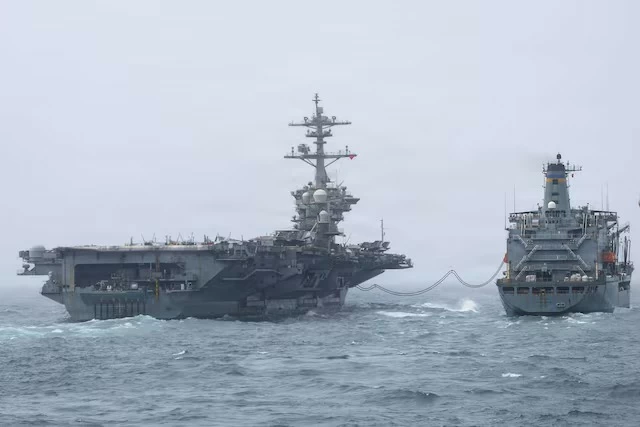
بعد مهمة بحرية استثنائية امتدت لأكثر من 200 يوم متواصل، تتجه حاملة الطائرات الأمريكية «يو إس إس أبراهام لينكولن» إلى تايلند الأسبوع القادم، في محطة مخصصة للراحة والاستجمام لطاقمها، عقب أشهر من الانتشار في الشرق الأوسط والمشاركة في عمليات عسكرية مرتبطة بالحرب مع إيران.
ونقلت وكالة رويتزر، عن مسؤول تايلندي، اليوم (الثلاثاء)، أن الحاملة ستتوقف في أحد الموانئ التايلندية، موضحًا أن الزيارة تأتي بهدف منح نحو 5 آلاف من أفراد البحرية ومشاة البحرية الأميركية فترة من الراحة بعد «رحلتهم البحرية الطويلة».
وطلب المسؤول عدم الكشف عن هويته، فيما لم ترد البحرية التايلندية أو السفارة الأمريكية في بانكوك على الفور على طلب للتعليق.
أكثر من 200 يوم في البحر
وتكتسب رحلة «أبراهام لينكولن» أهمية خاصة بعدما أمضت أكثر من 200 يوم دون التوقف في ميناء، في مدة وصفتها شخصيات ديمقراطية في الكونغرس الأمريكي بأنها سجل حديث لأطول فترة متواصلة تقضيها حاملة الطائرات في البحر.
وعادة ما تمتد مهام الانتشار البحري للسفن الأمريكية بين 6 و9 أشهر، إلا أن مدة المهمة يمكن أن تطول بصورة كبيرة خلال فترات الحروب والأزمات العسكرية.
وغادرت الحاملة ميناءها في سان دييغو بولاية كاليفورنيا في نوفمبر الماضي، قبل أن يعاد توجيهها لاحقًا إلى منطقة الشرق الأوسط للمشاركة في دعم العمليات العسكرية الأمريكية خلال الحرب مع إيران.
وكانت الحاملة قد غادرت الشرق الأوسط، السبت، في طريقها إلى المرحلة التالية من انتشارها.
تقارير عن تراجع المعنويات
وتأتي محطة تايلند في وقت أثيرت فيه تساؤلات حول الظروف التي عاشها أفراد طاقم الحاملة خلال مهمتها الطويلة.
فقد نشرت صحيفتا Navy Times وStars and Stripes المتخصصتان في الشؤون العسكرية تقارير خلال أغسطس الجاري تحدثت عن محاولات انتحار وتراجع في المعنويات بين أفراد الطاقم، في ظل طول فترة الانتشار وعدم الحصول على فترات راحة كافية.
لكن وزير الدفاع الأمريكي بيت هيغسيث رفض هذه الروايات، وقال إن التقارير «شوّهت بشكل كامل» حقيقة الأوضاع على متن الحاملة.
وتضم «أبراهام لينكولن» نحو 5 آلاف من البحارة وأفراد مشاة البحرية، إلى جانب طاقم جوي كبير وطائرات مقاتلة ومعدات عسكرية مختلفة.
محطة للراحة بعد المهمة الشاقة
ومن المنتظر أن تمنح الزيارة إلى تايلند أفراد الطاقم فرصة للراحة بعد أشهر من العمليات والانتشار المتواصل، قبل استكمال السفينة لمهماتها القادمة.
وتُعد زيارات الموانئ محطة مهمة بالنسبة لأفراد أطقم السفن الحربية، ليس فقط لأغراض الإمداد والصيانة، وإنما أيضًا للحصول على فترات راحة واستعادة الجاهزية بعد فترات طويلة في البحر.
وتأتي الزيارة في وقت تتمتع فيه واشنطن وبانكوك بعلاقات عسكرية وثيقة، إذ تعد تايلند حليفًا تعاقديًا للولايات المتحدة منذ عام 1954، كما صنفتها واشنطن حليفًا رئيسيًا من خارج حلف شمال الأطلسي «الناتو» منذ عام 2003.
وتعد تايلند كذلك الشريك الوحيد للولايات المتحدة الذي يرتبط معها بمعاهدة تحالف في منطقة جنوب شرق آسيا القارية، فيما تحافظ القوات المسلحة في البلدين على تعاون عسكري طويل الأمد.
وبوصول «أبراهام لينكولن» إلى تايلند، تطوي الحاملة صفحة واحدة من أطول وأشد مهماتها البحرية، بعدما أمضت أكثر من 200 يوم بعيدًا عن الموانئ، وسط ضغوط العمليات العسكرية وتساؤلات حول تأثير الانتشار الطويل على أفراد طاقمها.
After an extraordinary maritime mission that lasted more than 200 consecutive days, the American aircraft carrier "USS Abraham Lincoln" is heading to Thailand next week, for a designated rest and recreation stop for its crew, following months of deployment in the Middle East and participation in military operations related to the war with Iran.
Reuters reported, citing a Thai official today (Tuesday), that the carrier will stop at one of the Thai ports, explaining that the visit aims to provide a break for about 5,000 U.S. Navy and Marine Corps personnel after their "long maritime journey."
The official requested anonymity, while the Thai Navy and the U.S. Embassy in Bangkok did not immediately respond to a request for comment.
More than 200 Days at Sea
The journey of the "Abraham Lincoln" holds special significance after spending more than 200 days without stopping at a port, a duration described by Democratic figures in the U.S. Congress as a recent record for the longest continuous period an aircraft carrier has spent at sea.
Typically, the deployment missions of U.S. ships last between 6 to 9 months, but the duration of the mission can be significantly extended during times of war and military crises.
The carrier left its home port in San Diego, California, last November, before being redirected to the Middle East to support U.S. military operations during the war with Iran.
The carrier had departed the Middle East on Saturday, heading to the next phase of its deployment.
Reports of Diminished Morale
The stop in Thailand comes at a time when questions have been raised about the conditions experienced by the carrier's crew during their long mission.
The military-focused newspapers Navy Times and Stars and Stripes published reports during August discussing suicide attempts and declining morale among crew members, amid the lengthy deployment and lack of sufficient rest periods.
However, U.S. Secretary of Defense Pete Hegseth rejected these accounts, stating that the reports "completely distorted" the reality of conditions aboard the carrier.
The "Abraham Lincoln" carries about 5,000 sailors and Marines, along with a large aircrew, fighter jets, and various military equipment.
A Rest Stop After a Grueling Mission
The visit to Thailand is expected to provide the crew with an opportunity to rest after months of operations and continuous deployment, before the ship resumes its upcoming missions.
Port visits are an important stop for naval crews, not only for supply and maintenance purposes but also to obtain rest periods and regain readiness after long periods at sea.
The visit comes at a time when Washington and Bangkok enjoy close military relations, as Thailand has been a treaty ally of the United States since 1954, and Washington designated it a major non-NATO ally in 2003.
Thailand is also the only U.S. partner linked by a treaty alliance in the continental Southeast Asia region, while the armed forces of both countries maintain long-standing military cooperation.
With the arrival of the "Abraham Lincoln" in Thailand, the carrier closes a chapter on one of its longest and most intense maritime missions, having spent more than 200 days away from ports, amid the pressures of military operations and questions about the impact of the long deployment on its crew members.