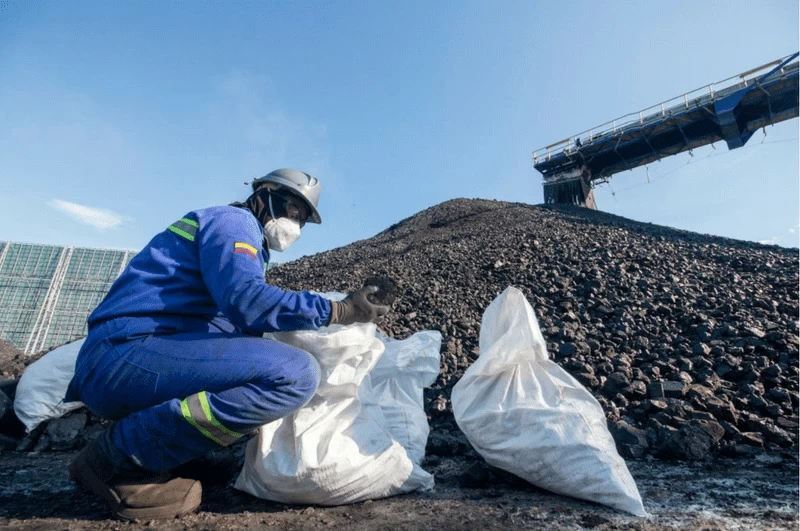
أعلنت الحكومة الكولومبية الجديدة، برئاسة أبيلاردو دي لا إسبرييّا، استئناف صادرات الفحم إلى إسرائيل، بعد تعليقها منذ عام 2024 خلال ولاية الرئيس السابق جوستافو بيترو، في خطوة تعكس تحولًا لافتًا في سياسة بوغوتا تجاه تل أبيب، وتمهد لعودة العلاقات الاقتصادية بين البلدين.
وقال وزير التجارة والصناعة والسياحة الكولومبي ماوريسيو جوميز أمين، في مقطع مصور ظهر فيه إلى جانب الرئيس، إن الحكومة وقّعت مرسومًا يسمح مجددًا بتصدير الفحم إلى إسرائيل. وأكدت الرئاسة الكولومبية أن القرار يأتي ضمن حزمة إجراءات اتخذتها حكومة دي لا إسبرييّا خلال أول 15 يومًا من توليها السلطة.
وكان بيترو قد قرر في 2024 وقف صادرات الفحم إلى إسرائيل، في إطار موقفه الرافض للحرب في غزة، ما أدى إلى تعليق تجارة كانت تمثل أحد أبرز بنود الصادرات الكولومبية إلى السوق الإسرائيلية.
ووفق اتحاد منتجي الفحم في كولومبيا، بلغت صادرات الفحم إلى إسرائيل نحو 3.5 مليون طن سنويًا قبل تعليقها، بقيمة تقدر بنحو 200 مليون دولار.
تراجع عن سياسة بيترو
ويمثل القرار تراجعًا واضحًا عن سياسة الرئيس السابق، إذ أعلن دي لا إسبرييّا توجهه نحو إعادة بناء العلاقات مع إسرائيل وتعزيز التعاون الاقتصادي والأمني معها، معتبرًا أن القيود السابقة ألحقت أضرارًا بالاقتصاد وأثرت في ثقة المستثمرين.
وتأتي عودة صادرات الفحم بالتزامن مع مساعي الحكومة الكولومبية لتعزيز علاقاتها مع الولايات المتحدة وإسرائيل، خصوصًا في ملفات الأمن ومكافحة عصابات المخدرات والجريمة المنظمة، في وقت تعد فيه كولومبيا من أكبر منتجي الكوكايين عالميًا.
البحث عن أسواق بديلة
ورغم رفع الحظر، لا يعني القرار بالضرورة استعادة السوق الإسرائيلية للصادرات الكولومبية فورًا، إذ اتجهت إسرائيل خلال فترة توقف الشحنات إلى مصادر بديلة للفحم، من بينها جنوب أفريقيا، كما عززت اعتمادها على الغاز في بعض محطات توليد الكهرباء.
وتُعد عودة صادرات الفحم واحدة من أبرز التحولات المبكرة في السياسة الخارجية والاقتصادية للرئيس دي لا إسبرييّا، الذي بدأ ولايته بتوجه مختلف بوضوح عن سياسة سلفه تجاه إسرائيل.
The new Colombian government, led by Abelardo de la Espriella, announced the resumption of coal exports to Israel, after they were suspended since 2024 during the presidency of Gustavo Petro. This move reflects a significant shift in Bogotá's policy towards Tel Aviv and paves the way for the return of economic relations between the two countries.
Colombian Minister of Trade, Industry, and Tourism Mauricio Gómez Amín stated in a video clip alongside the president that the government signed a decree allowing coal exports to Israel once again. The Colombian presidency confirmed that the decision is part of a package of measures taken by de la Espriella's government during the first 15 days of its tenure.
Petro had decided in 2024 to halt coal exports to Israel as part of his stance against the war in Gaza, which led to the suspension of trade that represented one of the most significant items in Colombian exports to the Israeli market.
According to the Colombian Coal Producers Association, coal exports to Israel amounted to about 3.5 million tons annually before the suspension, valued at approximately 200 million dollars.
A Reversal of Petro's Policy
The decision represents a clear reversal of the former president's policy, as de la Espriella announced his intention to rebuild relations with Israel and enhance economic and security cooperation with it, considering that the previous restrictions harmed the economy and affected investor confidence.
The return of coal exports coincides with the Colombian government's efforts to strengthen its relations with the United States and Israel, especially in security matters and combating drug cartels and organized crime, at a time when Colombia is one of the largest producers of cocaine globally.
Searching for Alternative Markets
Despite lifting the ban, the decision does not necessarily mean an immediate restoration of the Israeli market for Colombian exports, as Israel turned to alternative sources of coal during the shipment suspension, including South Africa, and increased its reliance on gas in some power generation plants.
The return of coal exports is one of the most notable early shifts in the foreign and economic policy of President de la Espriella, who began his term with a clearly different approach from his predecessor's policy towards Israel.