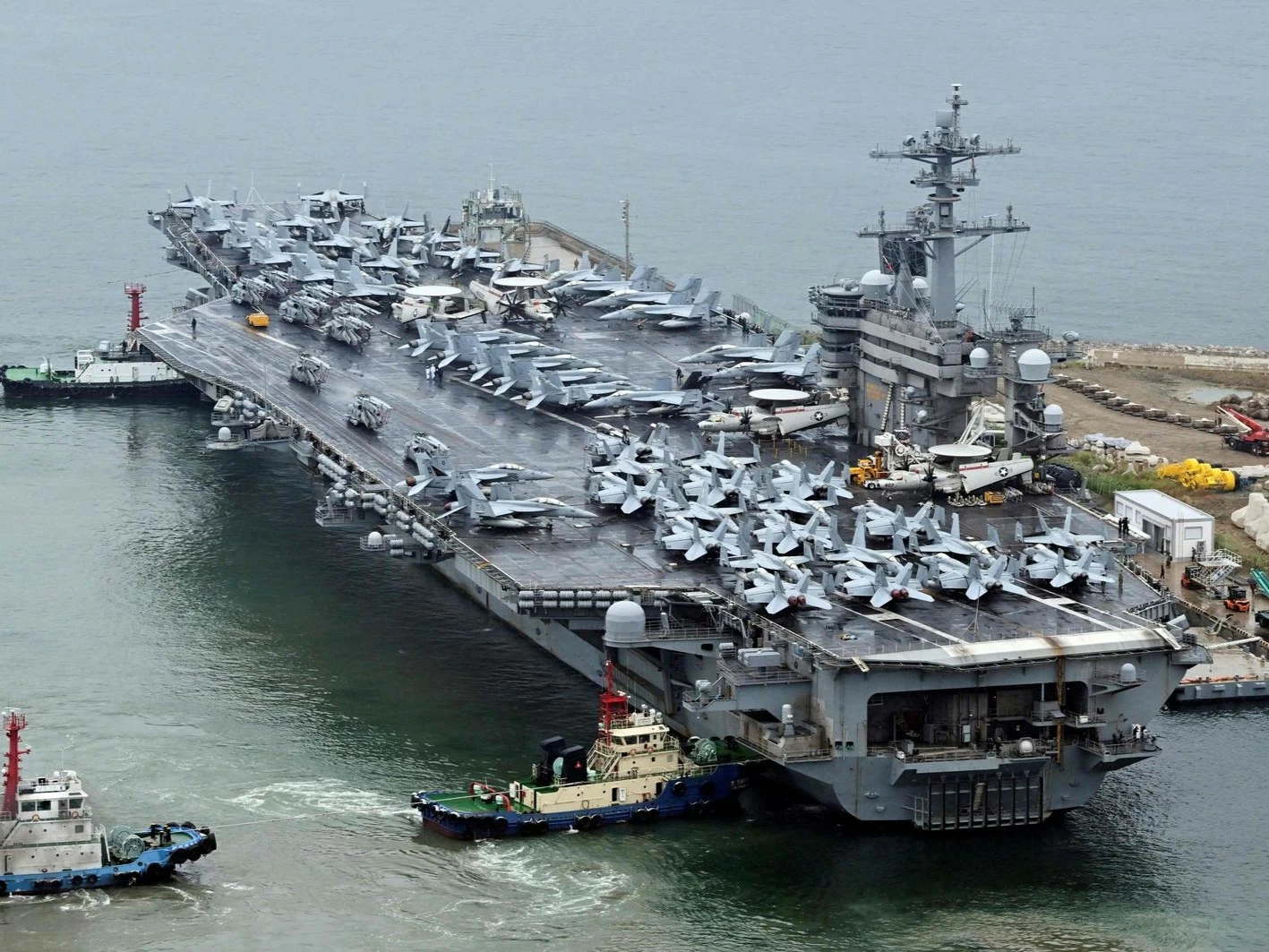
غادرت حاملة الطائرات الأمريكية«USS Abraham Lincoln» الشرق الأوسط بعد تسعة أشهر من نشرها في المنطقة لدعم الجيش الأمريكي في حرب إيران، واتجهت إلى سان دييجو وعلى متنها طاقمها المكون من نحو خمسة آلاف بحار، في حين تحل محلها حاملة الطائرات «جورج واشنطن» التي كانت تتمركز في اليابان.
ونقلت صحيفة «نيويورك تايمز»، عن مسؤول أمريكي تأكيده مغادرة USS Abraham Lincoln للشرق الأوسط، وهو ما أشار إليه قائد القيادة المركزية الأمريكية «سنتكوم» الأدميرال براد كوبر، في مقال رأي نُشر في «وول ستريت جورنال». وكتب الأدميرال: «نتمنى لكم التوفيق، ونتطلع إلى لقائكم المستحق قريباً».
وتم نشر «أبراهام لينكولن» في الشرق الأوسط كجزء من العمليات الأمريكية ضد إيران. وبدأت التقارير تظهر في الأسابيع الأخيرة حول تدني مستوى المعيشة على متن حاملة الطائرات الأمريكية بسبب التحديات اللوجستية الناجمة عن تدمير إيران لقاعدة بحرية أمريكية في المنطقة كانت مركز إمداد حيوي.
وغادرت «لينكولن» سان دييجو في 21 نوفمبر من العام الماضي، وأمضت كامل مدة بقائها في البحر، البالغة 272 يوماً، باستثناء توقف قصير في جوام في ديسمبر وآخر في عُمان للتزود بالإمدادات.
ولم يحصل آلاف البحارة على متن السفينة على أي يوم راحة، وتنتظرهم الآن رحلة العودة إلى الولايات المتحدة التي قد تستغرق من أربعة إلى خمسة أسابيع لقطع مسافة تبلغ نحو 13 ألف ميل بحري.
وتحدث مشرعون ديمقراطيون في الكونغرس عن نقص الإمدادات الأساسية، وتلوث المياه، ومشكلات في الصرف الصحي، وتدهور الحالة النفسية للجنود على متن حاملة الطائرات. ووصف الأدميرال كوبر العديد من هذه المشكلات بأنها «أخبار قديمة» في مقال رأي له.
وفي منشور على وسائل التواصل الاجتماعي، تمنت القيادة المركزية الأمريكية لحاملة الطائرات «لينكولن» رحلة موفقة، في وداع بحري تقليدي يعود إلى عصر السفن الشراعية. وأفاد منشور آخر بوصول حاملة الطائرات U.S.S. George Washington إلى الشرق الأوسط وبدء عملياتها تحت قيادة القيادة المركزية.
وتُبقي البحرية الأمريكية نحو 20 سفينة حربية في الشرق الأوسط خارج الخليج العربي: مجموعتان ضاربتان لحاملات الطائرات تتمركزان حول حاملتي الطائرات U.S.S. George H.W. Bush وUSS George Washington، ومجموعة برمائية جاهزة تحمل وحدة مشاة بحرية استكشافية، وعدة مدمرات تنفذ الحصار الذي فرضه الرئيس الأمريكي دونالد ترمب على الموانئ الإيرانية، والذي دخل يومه الثامن والثلاثين.
The American aircraft carrier "USS Abraham Lincoln" has left the Middle East after nine months of deployment in the region to support the U.S. military in the Iran War, heading to San Diego with its crew of about five thousand sailors, while it is being replaced by the aircraft carrier "George Washington," which was stationed in Japan.
The "New York Times" reported that an American official confirmed the departure of the USS Abraham Lincoln from the Middle East, which was also mentioned by the commander of U.S. Central Command "CENTCOM," Admiral Brad Cooper, in an opinion piece published in the "Wall Street Journal." The admiral wrote, "We wish you well, and we look forward to your well-deserved reunion soon."
The "Abraham Lincoln" was deployed in the Middle East as part of U.S. operations against Iran. Reports have begun to emerge in recent weeks about the declining living conditions aboard the American aircraft carrier due to logistical challenges resulting from Iran's destruction of a U.S. naval base in the region that was a vital supply center.
The "Lincoln" left San Diego on November 21 of last year and spent its entire time at sea, totaling 272 days, except for a brief stop in Guam in December and another in Oman for resupply.
Thousands of sailors aboard the ship did not receive any days off, and they now face a return journey to the United States that may take four to five weeks to cover a distance of about 13,000 nautical miles.
Democratic lawmakers in Congress have spoken about shortages of basic supplies, water contamination, sanitation issues, and the deteriorating mental health of the soldiers aboard the aircraft carrier. Admiral Cooper described many of these issues as "old news" in his opinion piece.
In a social media post, U.S. Central Command wished the "Lincoln" a successful journey, in a traditional naval farewell that dates back to the age of sailing ships. Another post reported the arrival of the aircraft carrier U.S.S. George Washington in the Middle East and the commencement of its operations under the command of Central Command.
The U.S. Navy maintains about 20 warships in the Middle East outside the Arabian Gulf: two carrier strike groups centered around the aircraft carriers U.S.S. George H.W. Bush and USS George Washington, an amphibious ready group carrying an expeditionary Marine unit, and several destroyers enforcing the blockade imposed by President Donald Trump on Iranian ports, which has now entered its thirty-eighth day.