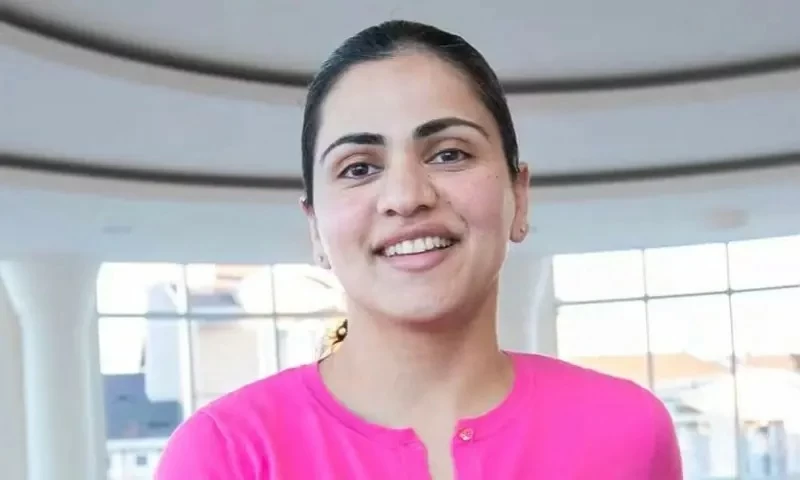
حققت عائشة وهاب إنجازاً تاريخياً بفوزها في انتخابات فرعية بولاية كاليفورنيا، لتصبح أول أمريكية من أصل أفغاني تشغل مقعداً في الكونغرس الأمريكي، بعد تغلبها على منافستها الديمقراطية ميليسا هيرنانديز.
وفازت وهاب، وهي ديمقراطية تنتمي إلى التيار التقدمي، بالمقعد الذي أصبح شاغراً بعد استقالة النائب السابق إريك سوالويل في أبريل الماضي، لتتولى تمثيل الدائرة الرابعة عشرة في كاليفورنيا، التي تضم أجزاء من مقاطعة ألاميدا على الجانب الشرقي من خليج سان فرانسيسكو، حتى انتهاء الولاية الحالية في يناير القادم.
ويُعد الفوز محطة جديدة في مسيرة سياسية بدأت من المستوى المحلي، إذ كانت وهاب أول أمريكية من أصل أفغاني تُنتخب لمنصب عام في الولايات المتحدة، عندما فازت بعضوية مجلس مدينة هايوارد عام 2018.
ومن خلال عملها في المجلس، ركزت وهاب على قضايا الإسكان، ولا سيما زيادة المعروض من المساكن الميسرة وتحسين قدرة السكان على الوصول إليها، وهي قضايا واصلت وضعها في صدارة أجندتها السياسية خلال حملاتها الانتخابية.
وفي عام 2023، تصدرت وهاب المشهد السياسي في كاليفورنيا بعد تقديم مشروع قانون يهدف إلى حظر التمييز على أساس الطبقة الاجتماعية، وحظي التشريع باهتمام على المستوى الوطني، قبل أن يستخدم الحاكم الديمقراطي جافين نيوسوم حق النقض ضده، معتبراً أن القوانين القائمة لحماية الحقوق المدنية تتضمن بالفعل حظراً على هذا النوع من التمييز.
وتحمل قصة وهاب جانباً شخصياً لافتاً، إذ نشأت في المنطقة التي أصبحت تمثلها سياسياً، ومرت خلال طفولتها بتجربة العيش في دور الرعاية، قبل أن تنتقل إلى العمل العام وصولاً إلى الكونغرس.
وعقب إعلان فوزها، قالت وهاب إنها ستدافع عن الدائرة التي نشأت فيها، معتبرة أن انتقالها «من دور الرعاية إلى الكونغرس» يعكس ما يمكن أن يتيحه الحلم الأمريكي من فرص.
ولم يكن طريقها إلى الكونغرس خالياً من المنافسة والإنفاق السياسي الكبير؛ إذ شهدت المرحلة الأخيرة من السباق تدفق أموال من جماعات خارجية لدعم منافستها، فيما أنفقت جماعات مرتبطة بلجنة الشؤون العامة الأمريكية الإسرائيلية «أيباك» ملايين الدولارات في محاولة للتأثير في نتيجة الانتخابات، شملت دعماً لهيرنانديز وحملة ضد وهاب.
ورغم ذلك، تمكنت وهاب من حسم الانتخابات الفرعية، لكنها ستخوض مواجهة جديدة مع هيرنانديز في نوفمبر القادم، في انتخابات منفصلة لتحديد من سيشغل المقعد لفترة كاملة مدتها عامان.
ويضع الفوز وهاب في موقع لافت داخل المشهد السياسي الأمريكي، ليس فقط باعتبارها أول أمريكية من أصل أفغاني تصل إلى الكونغرس، وإنما أيضاً بوصفها واحدة من الأصوات التقدمية التي برزت في قضايا الإسكان والعدالة الاجتماعية والحقوق المدنية.
Aisha Wahab has achieved a historic milestone by winning a special election in California, becoming the first Afghan-American to hold a seat in the U.S. Congress after defeating her Democratic opponent Melissa Hernandez.
Wahab, a Democrat affiliated with the progressive wing, won the seat that became vacant after former Congressman Eric Swalwell resigned last April, taking on the responsibility of representing California's 14th district, which includes parts of Alameda County on the eastern side of San Francisco Bay, until the end of the current term in January.
This victory marks a new chapter in a political career that began at the local level, as Wahab was the first Afghan-American elected to public office in the United States when she won a seat on the Hayward City Council in 2018.
Through her work on the council, Wahab focused on housing issues, particularly increasing the supply of affordable housing and improving residents' access to it, issues that she continued to prioritize during her election campaigns.
In 2023, Wahab took center stage in California's political scene after introducing a bill aimed at banning discrimination based on social class, which garnered national attention before Democratic Governor Gavin Newsom vetoed it, arguing that existing laws protecting civil rights already include a ban on this type of discrimination.
Wahab's story has a notable personal aspect, as she grew up in the area she now represents politically and experienced living in foster care during her childhood before moving into public service and eventually Congress.
Following her victory announcement, Wahab stated that she would advocate for the district where she grew up, considering her journey "from foster care to Congress" as a reflection of the opportunities that the American dream can provide.
Her path to Congress was not without competition and significant political spending; the final phase of the race saw an influx of money from outside groups supporting her opponent, while organizations linked to the American Israel Public Affairs Committee (AIPAC) spent millions attempting to influence the election outcome, including support for Hernandez and a campaign against Wahab.
Despite this, Wahab managed to secure the special election, but she will face a new challenge against Hernandez in the upcoming November elections in a separate contest to determine who will hold the seat for a full two-year term.
This victory places Wahab in a prominent position within the American political landscape, not only as the first Afghan-American to reach Congress but also as one of the progressive voices emerging on issues of housing, social justice, and civil rights.