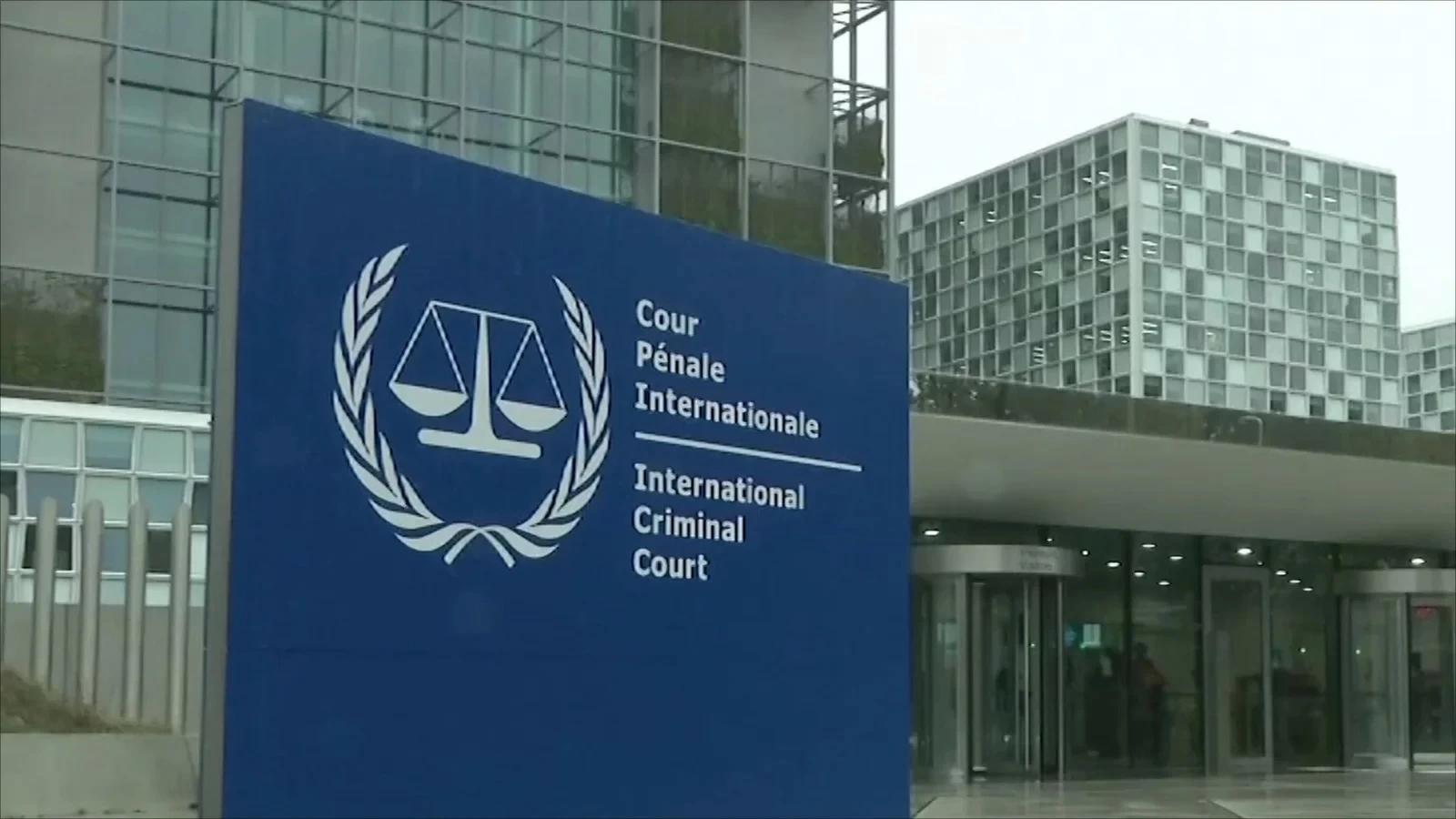
رفضت المحكمة الجنائية الدولية العقوبات الأمريكية المفروضة على رئيستها توموكو أكاني ومسؤول قضائي بالمحكمة، مؤكدة تمسكها بموقفها ودعم موظفيها في مواجهة الضغوط.
وقالت المحكمة، في بيان، إن الإجراءات الأمريكية التي تستهدف قضاتها ومدعيها العامين وموظفيها «تقوض سيادة القانون»، في أقوى رد من المؤسسة القضائية الدولية على أحدث جولة من العقوبات الأمريكية ضد مسؤوليها.
وأكدت المحكمة أنها «ثابتة على موقفها» وأنها تقف بقوة إلى جانب موظفيها، في إشارة إلى تمسكها باستقلالها القضائي في مواجهة الإجراءات التي اتخذتها واشنطن بحق قيادات فيها.
وجاء موقف المحكمة بعدما أعلنت الولايات المتحدة فرض عقوبات على رئيستها، القاضية اليابانية توموكو أكاني، وعلى المسؤول القضائي السنغالي عبدالله سييه، في أحدث خطوة ضمن حملة أمريكية متصاعدة ضد المحكمة الجنائية الدولية.
وتشمل العقوبات تجميد الأصول الخاضعة للولاية القضائية الأمريكية وفرض قيود على التعاملات مع الأشخاص المستهدفين، بحسب ما أوردت وزارة الخزانة الأمريكية.
وبررت واشنطن العقوبات باتهام مسؤولي المحكمة بالمشاركة في جهود للتحقيق مع أو توقيف أو ملاحقة مسؤولين من دول لم توافق على اختصاص المحكمة، فيما ترى الإدارة الأمريكية أن المحكمة تجاوزت صلاحياتها واستهدفت الولايات المتحدة وحلفاءها.
وتأتي المواجهة الجديدة في سياق خلاف متصاعد بين واشنطن والمحكمة، تفاقم بصورة خاصة على خلفية تحركات المحكمة المتعلقة بالحرب في غزة، وإصدارها في نوفمبر 2024 مذكرات توقيف بحق رئيس الوزراء الإسرائيلي بنيامين نتنياهو ووزير الدفاع السابق يوآف غالانت، وهو ما أثار غضباً إسرائيلياً وأمريكياً.
وتؤكد المحكمة في المقابل أن عملها يستند إلى نظام روما الأساسي، وأن استقلال القضاء يمثل شرطاً أساسياً لقيامها بالمهام المنوطة بها في التحقيق والملاحقة القضائية للجرائم الدولية الأشد خطورة.
والولايات المتحدة ليست دولة طرفاً في نظام روما الأساسي المنشئ للمحكمة، كما أنها ترفض اختصاص المحكمة على مواطنيها أو مواطني دول غير أطراف في النظام الأساسي. وقد كثفت إدارة الرئيس دونالد ترمب ضغوطها على المحكمة، بما في ذلك فرض عقوبات سابقة على مسؤولين فيها.
وتأتي العقوبات الجديدة بعد تهديدات أمريكية متكررة باتخاذ إجراءات أكثر صرامة ضد المحكمة، في وقت تواجه «الجنائية الدولية» ضغوطاً سياسية وقانونية متزايدة بسبب القضايا التي تنظر فيها ضد مسؤولين من دول غير أعضاء فيها.
The International Criminal Court has rejected the American sanctions imposed on its president, Tomoko Akane, and a judicial official at the court, affirming its commitment to its position and support for its staff in the face of pressure.
The court stated in a statement that the American measures targeting its judges, prosecutors, and staff "undermine the rule of law," in the strongest response from the international judicial institution to the latest round of American sanctions against its officials.
The court confirmed that it is "steadfast in its position" and stands firmly by its staff, indicating its commitment to judicial independence in the face of actions taken by Washington against its leadership.
This stance from the court came after the United States announced sanctions against its president, Japanese judge Tomoko Akane, and Senegalese judicial official Abdoulaye Sy, in the latest step in an escalating American campaign against the International Criminal Court.
The sanctions include freezing assets under U.S. jurisdiction and imposing restrictions on transactions with the targeted individuals, according to the U.S. Department of the Treasury.
Washington justified the sanctions by accusing court officials of participating in efforts to investigate, detain, or prosecute officials from countries that have not accepted the court's jurisdiction, while the U.S. administration believes that the court has overstepped its authority and targeted the United States and its allies.
The new confrontation comes amid a growing dispute between Washington and the court, particularly exacerbated by the court's actions related to the war in Gaza, and its issuance in November 2024 of arrest warrants against Israeli Prime Minister Benjamin Netanyahu and former Defense Minister Yoav Galant, which sparked outrage in Israel and the U.S.
In contrast, the court emphasizes that its work is based on the Rome Statute, and that judicial independence is a fundamental requirement for it to carry out its mandated tasks in investigating and prosecuting the most serious international crimes.
The United States is not a party to the Rome Statute that established the court, and it also rejects the court's jurisdiction over its citizens or those of non-member states. The administration of President Donald Trump intensified its pressure on the court, including imposing previous sanctions on its officials.
The new sanctions come after repeated American threats to take more stringent actions against the court, at a time when the "International Criminal Court" faces increasing political and legal pressures due to the cases it is considering against officials from non-member states.