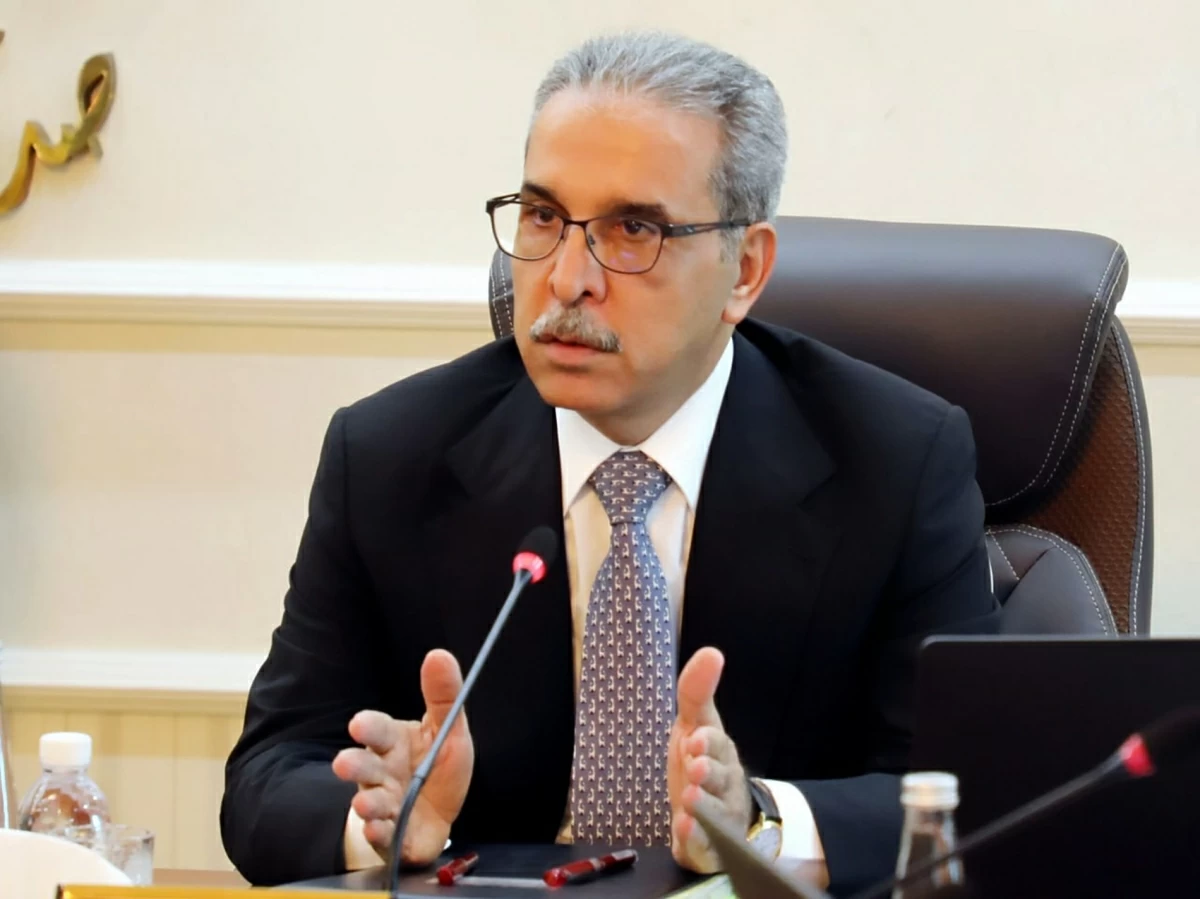
كشفت معلومات استخباراتية عن مخطط لاغتيال رئيس مجلس القضاء الأعلى في العراق فائق زيدان.
وأبلغت مصادر مطلعة قناتي «العربية والحدث»، اليوم (الإثنين)، أن فصائل مسلحة خططت لاغتيال زيدان. وأكدت المصادر أن التهديدات جدية ومرتبطة بملف حصر السلاح والفساد. وأفادت المصادر بأن السلطات العراقية اتخذت إجراءات مشددة لحماية رئيس مجلس القضاء.
وقد عمل القضاء العراقي على ملف مكافحة الفساد وتحديداً في قضية وكيل وزارة النفط عدنان الجميلي منذ عام 2025، وبعد استكمال التحقيقات التي قادتها محكمة مكافحة الفساد برئاسة القاضي ضياء جعفر، أصدر رئيس القضاء العراقي فائق زيدان تعليمات بالتوسع بعمليات التحقيق والتي قادت إلى عملية «صولة الفجر». وشملت «صولة الفجر» القبض على عدد من النواب بعد رفع الحصانة عنهم.
وفي اجتماع الرئاسات الأربع في شهر يوليو الماضي تحدث رئيس القضاء خلف الأبواب المغلقة بأنه لا خطوط حمراء في مكافحة الفساد، ويعتبر دور القضاء محورياً، لأنه المعني بالتحقيق وإصدار أوامر القبض التي بناء عليها تنفذ من الجهة المختصة في تنفيذ أوامر القبض.
وكانت مصادر قضائية كشفت عن وضع رئيس مجلس القضاء الأعلى القاضي فائق زيدان إطاراً قانونياً شاملاً لعملية حصر السلاح بيد الدولة.
وقال القاضي فائق زيدان في كلمة ألقاها في وقت سابق في بداية عام 2026: لم تعد هناك حاجة للأسلحة خارج نطاق الدولة العراقية بعد هزيمة الإرهاب.
وأكد أن الدولة الفاعلة تعتمد على احترام القانون، وتوحيد عملية صنع القرار، والسيطرة الحصرية للدولة على الأسلحة. ورحبت قوى سياسية بتصريح القاضي زيدان باعتباره خطوة نحو تعزيز مؤسسات الدولة وتوطيد سلطة الحكومة.
Intelligence information has revealed a plot to assassinate the head of the Supreme Judicial Council in Iraq, Faik Zidan.
Informed sources told the channels "Al-Arabiya and Al-Hadath" today (Monday) that armed factions planned to assassinate Zidan. The sources confirmed that the threats are serious and related to the issue of weapon control and corruption. They reported that the Iraqi authorities have taken strict measures to protect the head of the judiciary.
The Iraqi judiciary has been working on the anti-corruption file, specifically in the case of the Deputy Minister of Oil, Adnan Al-Jumaili, since 2025. After completing the investigations led by the Anti-Corruption Court under the presidency of Judge Diaa Jaafar, the head of the Iraqi judiciary, Faik Zidan, issued instructions to expand the investigation operations, which led to the operation "Dawn Strike." The "Dawn Strike" included the arrest of several MPs after lifting their immunity.
In a meeting of the four presidencies last July, the head of the judiciary spoke behind closed doors about the absence of red lines in the fight against corruption, emphasizing that the role of the judiciary is pivotal, as it is responsible for investigations and issuing arrest warrants, which are then executed by the relevant authority.
Judicial sources revealed that the head of the Supreme Judicial Council, Judge Faik Zidan, has established a comprehensive legal framework for the process of weapon control in the hands of the state.
Judge Faik Zidan stated in a speech delivered earlier at the beginning of 2026: There is no longer a need for weapons outside the scope of the Iraqi state after the defeat of terrorism.
He affirmed that an effective state relies on respecting the law, unifying the decision-making process, and the exclusive control of the state over weapons. Political forces welcomed Judge Zidan's statement as a step towards strengthening state institutions and consolidating government authority.