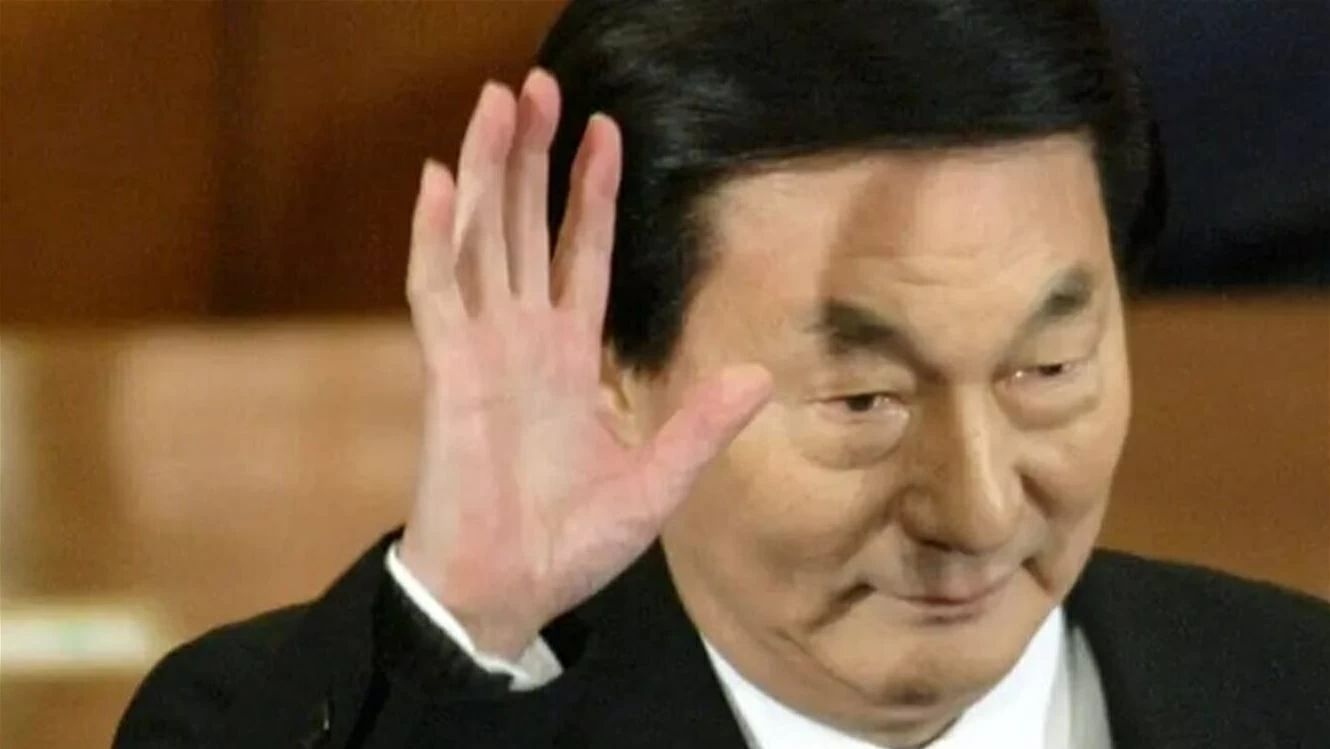
غيب الموت، اليوم (الأربعاء)، رئيس الوزراء الصيني السابق تشو رونغ جي عن عمر يناهز 98 عاماً بسبب المرض في بكين، وفق ما أوردت وكالة شينخوا الصينية.
وأسهم المصلح حاد الطباع في إطلاق الطفرة الاقتصادية الهائلة التي شهدتها الصين، من خلال فرض تغييرات جذرية على الصناعة المملوكة للدولة في تسعينيات القرن الماضي، وقيادة البلاد إلى الانضمام إلى منظمة التجارة العالمية.
وكان تشو عضواً في اللجنة الدائمة للمكتب السياسي للجنتين المركزيتين الـ14 والـ15 للحزب الشيوعي الصيني.
وشرع تشو، الذي أُرسل في السابق إلى المنفى في المناطق الريفية لأداء أعمال يدوية بسبب إشادته بالإصلاحات في دول شيوعية أخرى، في سلسلة واسعة ومتسارعة من التغييرات خلال توليه منصب رئيس الوزراء، هو أعلى منصب اقتصادي في الصين، خلال الفترة من عام 1998 إلى 2003.
أسهم تشو، الذي عمل تحت قيادة جيانغ زيمين، زعيم الحزب الشيوعي آنذاك، في تحرير الاقتصاد الصيني وتعزيز قدرته التنافسية على الصعيد الدولي أكثر من أي زعيم آخر في العصر الحديث باستثناء دينغ شياو بينغ. وقد دفعت مبادرات تشو النمو السريع في الصين، والذي استمر، مع تباطؤ طفيف، حتى بدأ سوق الإسكان بالانهيار في عام 2021.
إلا أن إجراءاته مهدت الطريق لمشكلات الصين الأخيرة المتعلقة بالديون المفرطة وفائضها التجاري الضخم، مما أدى إلى حروب تجارية مع الولايات المتحدة خلال فترة رئاسة ترمب.
The former Chinese Prime Minister Zhu Rongji passed away today (Wednesday) at the age of 98 due to illness in Beijing, according to the Xinhua News Agency.
The reformist, known for his strong character, contributed to the tremendous economic boom that China experienced by implementing radical changes to state-owned industries in the 1990s and leading the country to join the World Trade Organization.
Zhu was a member of the Standing Committee of the Political Bureau of the 14th and 15th Central Committees of the Communist Party of China.
Zhu, who was previously sent into exile in rural areas to perform manual labor due to his praise for reforms in other communist countries, initiated a wide-ranging and rapid series of changes during his tenure as Prime Minister, the highest economic position in China, from 1998 to 2003.
Zhu, who worked under the leadership of Jiang Zemin, the then-leader of the Communist Party, played a crucial role in liberalizing the Chinese economy and enhancing its international competitiveness more than any other leader in modern times, except for Deng Xiaoping. Zhu's initiatives drove rapid growth in China, which continued, with a slight slowdown, until the housing market began to collapse in 2021.
However, his measures paved the way for China's recent problems related to excessive debt and its massive trade surplus, leading to trade wars with the United States during Trump's presidency.