


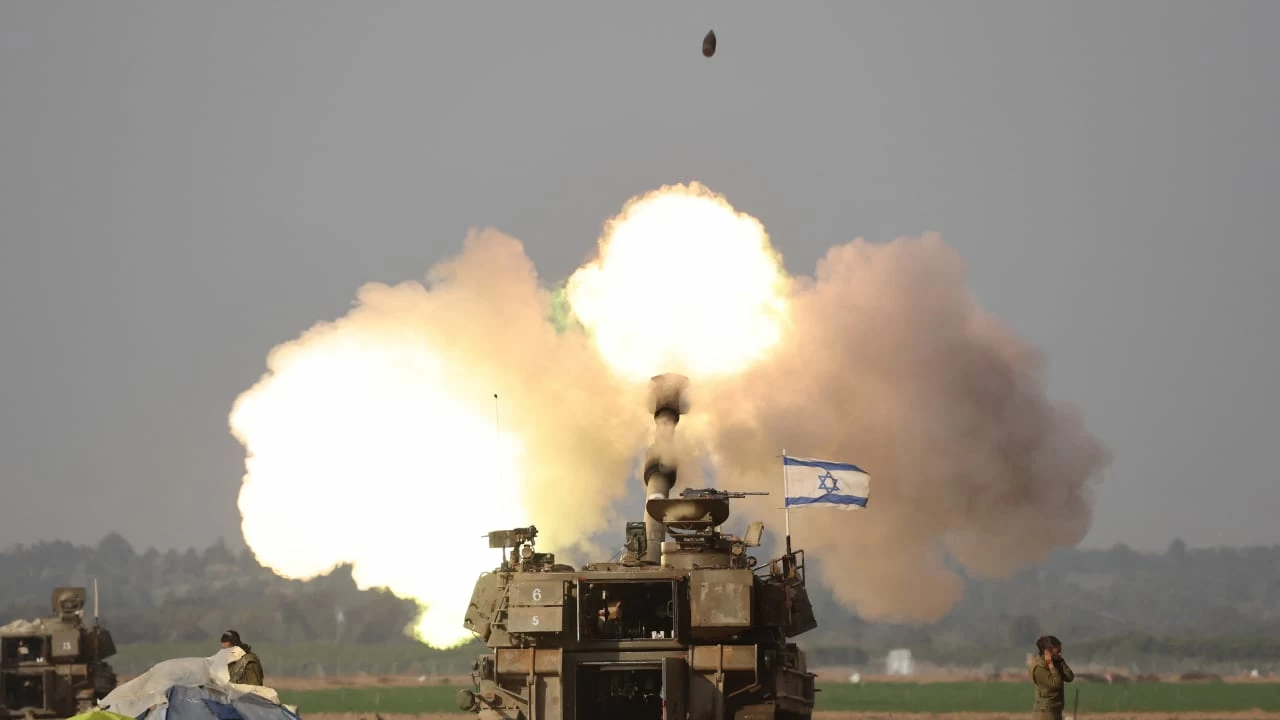
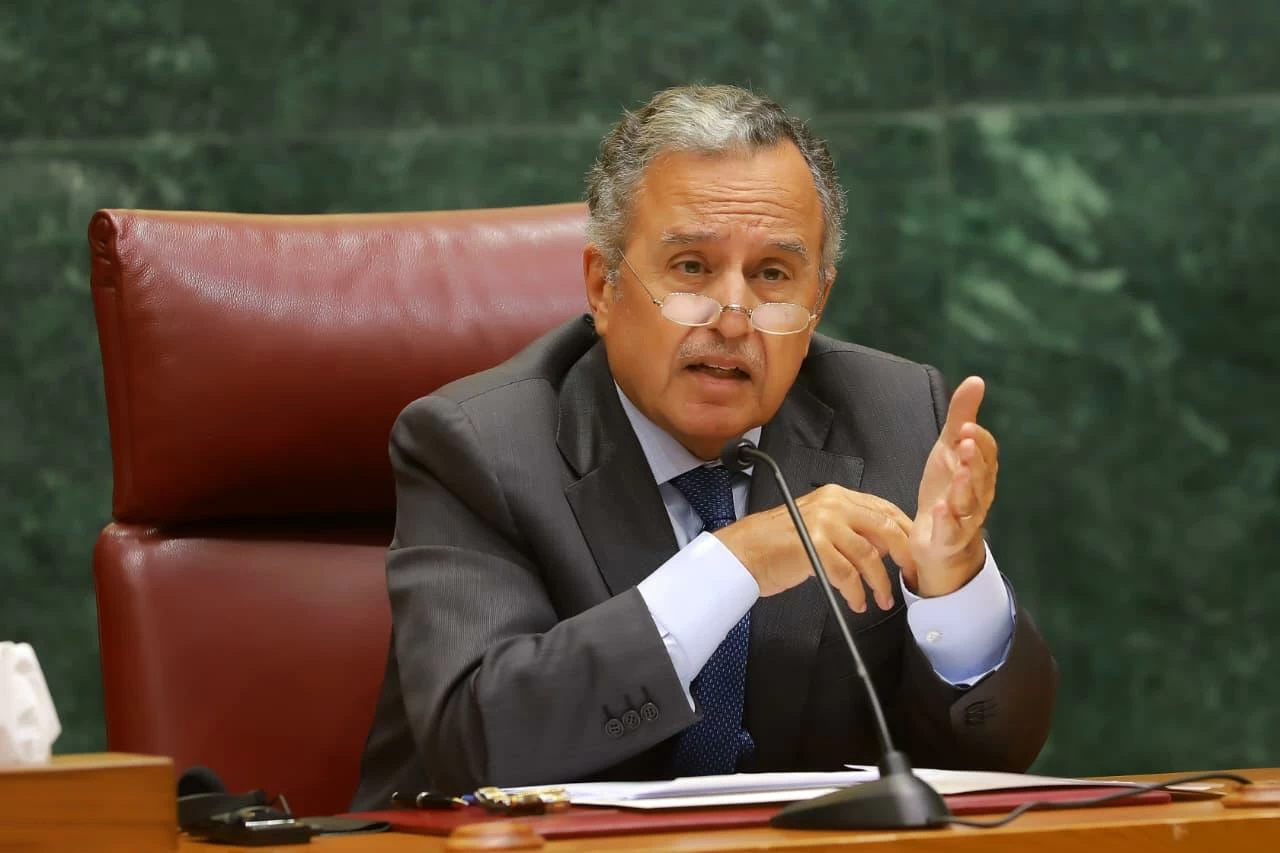
حذر الأمين العام لجامعة الدول العربية نبيل فهمي من استمرار إسرائيل في الاعتماد على القوة العسكرية لفرض وقائع جديدة على الأرض، مؤكداً أن هذا النهج لن يحقق لها الأمن والاستقرار، وإنما سيدفع المنطقة نحو مزيد من التوتر والمواجهة.
وانتقد فهمي بشدة ما وصفه بالنهج الإسرائيلي المتكرر القائم على استخدام القوة للتوسع وتغيير الواقع، مشيراً إلى ما تتعرض له الأراضي الفلسطينية من عمليات عسكرية وانتهاكات، إلى جانب الاعتداءات الإسرائيلية المتكررة على لبنان وسورية، وما يرافقها من انتهاك لسيادة الدول وسلامة أراضيها.
وأكد الأمين العام أن «الغطرسة الإسرائيلية» ومواصلة توسيع نطاق استخدام القوة لا يمكن أن يشكلا طريقاً لتحقيق الأمن، محذراً من أن استمرار هذا المسار يهدد بتوسيع دائرة المواجهة لتشمل المنطقة بأسرها.
وشدد فهمي على ضرورة احترام سيادة الدول العربية وسلامة أراضيها، ووقف الاعتداءات على لبنان وسورية، وإنهاء الاحتلال الإسرائيلي للأراضي العربية المحتلة، وفي مقدمتها الأراضي الفلسطينية، وصولاً إلى إقامة دولة فلسطينية مستقلة على خطوط الرابع من يونيو 1967 وعاصمتها القدس الشرقية.
القوة كأداة لفرض وقائع جديدة
وتأتي تصريحات فهمي في ظل استمرار انتقادات عربية ودولية للسياسات الإسرائيلية التي تجمع بين العمليات العسكرية وإجراءات السيطرة الميدانية والتوسع الاستيطاني، باعتبارها عوامل تؤدي إلى تغيير الواقع على الأرض وتضعف فرص التوصل إلى تسوية سياسية.
وفي الضفة الغربية، وثقت تقارير للأمم المتحدة خلال عام 2026 استمرار التوسع الاستيطاني والعنف المرتبط بالمستوطنين وعمليات الهدم والقيود على الحركة، مشيرة إلى أن هذه الممارسات أسهمت في زيادة النزوح الفلسطيني وتقويض إمكانية إقامة دولة فلسطينية قابلة للحياة. كما سجلت الأمم المتحدة ارتفاعاً كبيراً في وتيرة عنف المستوطنين خلال العام الحالي.
وفي مارس الماضي، قالت مفوضية الأمم المتحدة السامية لحقوق الإنسان إن إسرائيل سرعت التوسع الاستيطاني وضم أجزاء واسعة من الضفة الغربية، وربطت بين تصاعد عنف المستوطنين وسياسات السلطات الإسرائيلية وبين عمليات نزوح واسعة للفلسطينيين.
كما حذرت الأمم المتحدة من أن بعض الإجراءات الإسرائيلية الإدارية والأمنية في الضفة الغربية تقوض آفاق حل الدولتين، مؤكدة أن المستوطنات الإسرائيلية في الأراضي الفلسطينية المحتلة، بما فيها القدس الشرقية، لا تتمتع بشرعية قانونية وفق قرارات الأمم المتحدة والقانون الدولي.
غزة.. استمرار العمليات رغم مساعي التهدئة
وفي قطاع غزة، لا يزال البعد العسكري حاضراً بقوة في التعامل الإسرائيلي مع القطاع، رغم مساعي التوصل إلى ترتيبات لوقف القتال وتثبيت الهدنة. وأفادت «رويترز» في مطلع أغسطس بأن غارات إسرائيلية أسفرت عن مقتل عشرات الفلسطينيين خلال يومين، في وقت كانت فيه الجهود الدولية تحاول دفع اتفاق وقف إطلاق النار إلى الأمام.
كما أشارت تقارير حديثة إلى أن إسرائيل ما زالت تسيطر على أجزاء واسعة من القطاع، بينما ترتبط أي ترتيبات أمنية مستقبلية بمسائل نزع سلاح الفصائل الفلسطينية وانسحاب القوات الإسرائيلية وترتيبات إدارة القطاع، وهي ملفات لا تزال محل خلاف.
لبنان وسورية.. توسيع مفهوم «الأمن»
وفي جنوب لبنان، تصاعدت التوترات مجدداً خلال أغسطس، رغم وجود مسار تفاوضي برعاية أمريكية بين إسرائيل ولبنان، بعدما نفذت إسرائيل ضربات في الجنوب إثر مقتل جنديين إسرائيليين في انفجار خلال عملية عسكرية.
أما في سورية، فتستند إسرائيل في تحركاتها العسكرية إلى اعتبارات أمنية، في وقت تتواصل فيه المساعي السورية للوصول إلى اتفاق أمني مع إسرائيل، وكانت القوات الإسرائيلية قد وسعت وجودها في مناطق إستراتيجية داخل الأراضي السورية، بينما دعت الأمم المتحدة إلى احترام اتفاق فض الاشتباك لعام 1974.
The Secretary-General of the Arab League, Nabil Fahmy, warned against Israel's continued reliance on military force to impose new realities on the ground, emphasizing that this approach will not achieve security and stability for it, but rather push the region towards more tension and confrontation.
Fahmy strongly criticized what he described as the repeated Israeli approach based on the use of force for expansion and changing the reality, pointing to the military operations and violations faced by the Palestinian territories, alongside the repeated Israeli assaults on Lebanon and Syria, which are accompanied by violations of the sovereignty of states and the integrity of their territories.
The Secretary-General affirmed that "Israeli arrogance" and the continued expansion of the use of force cannot constitute a path to achieving security, warning that the continuation of this course threatens to expand the circle of confrontation to include the entire region.
Fahmy stressed the necessity of respecting the sovereignty of Arab states and the integrity of their territories, stopping the assaults on Lebanon and Syria, and ending the Israeli occupation of the occupied Arab territories, foremost among them the Palestinian territories, leading to the establishment of an independent Palestinian state along the lines of June 4, 1967, with East Jerusalem as its capital.
Force as a Tool to Impose New Realities
Fahmy's statements come amid ongoing Arab and international criticisms of Israeli policies that combine military operations with field control measures and settlement expansion, considering them factors that lead to changing the reality on the ground and weaken the chances of reaching a political settlement.
In the West Bank, reports from the United Nations during the year 2026 documented the continued settlement expansion, violence related to settlers, demolition operations, and restrictions on movement, indicating that these practices contributed to increased Palestinian displacement and undermined the possibility of establishing a viable Palestinian state. The United Nations also recorded a significant rise in the pace of settler violence during the current year.
In March, the United Nations High Commissioner for Human Rights stated that Israel accelerated settlement expansion and annexed large parts of the West Bank, linking the rise in settler violence and Israeli authorities' policies to widespread Palestinian displacement.
The United Nations also warned that some Israeli administrative and security measures in the West Bank undermine the prospects for a two-state solution, affirming that Israeli settlements in the occupied Palestinian territories, including East Jerusalem, lack legal legitimacy according to United Nations resolutions and international law.
Gaza.. Continuation of Operations Despite Ceasefire Efforts
In the Gaza Strip, the military dimension remains strongly present in the Israeli dealings with the sector, despite efforts to reach arrangements to stop the fighting and solidify the truce. Reuters reported in early August that Israeli airstrikes resulted in the deaths of dozens of Palestinians over two days, at a time when international efforts were trying to advance a ceasefire agreement.
Recent reports also indicated that Israel still controls large parts of the sector, while any future security arrangements are linked to issues of disarming Palestinian factions, the withdrawal of Israeli forces, and arrangements for managing the sector, which are still contentious matters.
Lebanon and Syria.. Expanding the Concept of "Security"
In southern Lebanon, tensions escalated again during August, despite the existence of a negotiation track under American sponsorship between Israel and Lebanon, after Israel carried out strikes in the south following the killing of two Israeli soldiers in an explosion during a military operation.
As for Syria, Israel bases its military movements on security considerations, while Syrian efforts continue to reach a security agreement with Israel. Israeli forces had expanded their presence in strategic areas within Syrian territory, while the United Nations called for respect for the disengagement agreement of 1974.