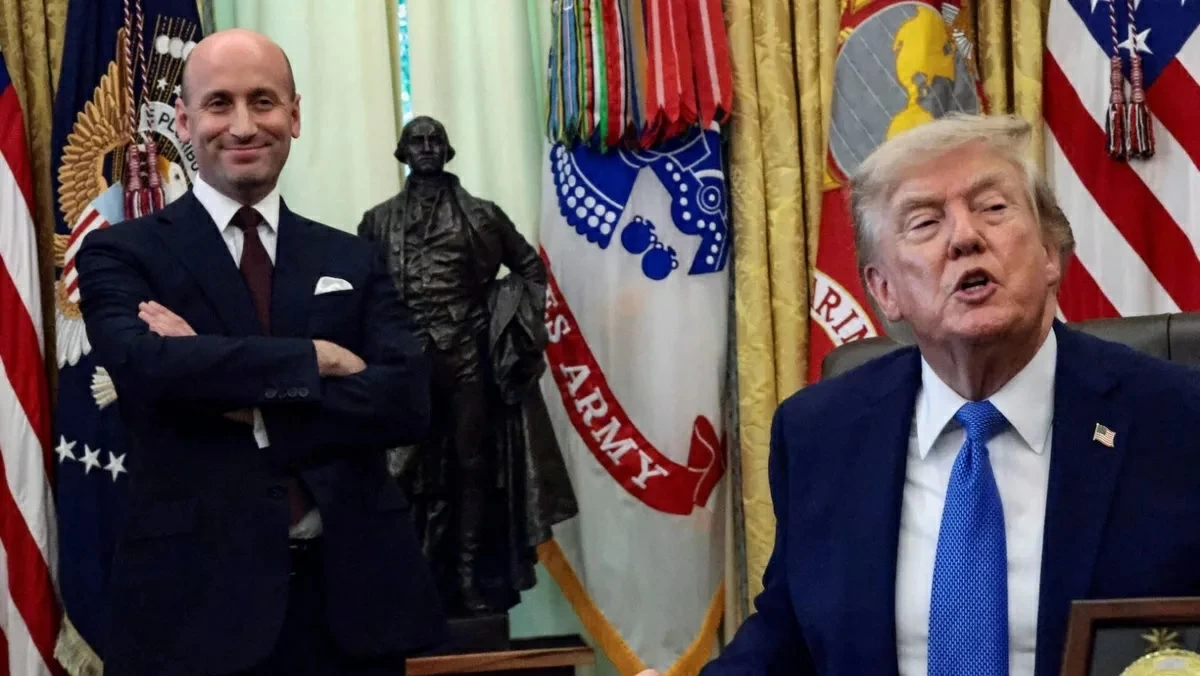
توقع الرئيس الأمريكي دونالد ترمب أن تنتهي حرب إيران قريبا، لكنه أقر بأن التفاهمات بشأن مضيق هرمز لم تكتمل بعد، في ظل تمسك طهران بأن تقتصر حركة الملاحة على ممر واحد بمحاذاة سواحلها.
وقال ترمب للصحفيين في المكتب البيضاوي، مساء الخميس، في إشارة إلى إيران: «أعتقد أن الأمر سينتهي قريباً جداً، وأظن أنهم لن يتمكنوا من الصمود طويلاً». واعتبر أن اتفاقاً لإعادة فتح الممر المائي بات وشيكاً، لكن المسؤولين الإيرانيين، قالوا إن التفاصيل لا تزال بحاجة إلى تسوية.
وبينما يبدي ترمب مزيداً من التفاؤل بشأن إمكانية التوصل إلى اتفاق، لا تزال إيران تتشبث بالسيطرة على مضيق هرمز، والذي تسبب إغلاقه في ارتفاع أسعار الطاقة، بما في ذلك أسعار البنزين في الولايات المتحدة، متسبباً في انتقادات لترمب.
وينظر إلى إعادة فتح المضيق على أنه شرط أساسي للعودة إلى المفاوضات بين إيران والولايات المتحدة، والتي تريد إدارة ترمب أن تركز على البرنامج النووي الإيراني، الهدف المعلن الرئيسي للحملة العسكرية التي شنها الرئيس الأمريكي في فبراير الماضي.
وقال مصدر إيراني رفيع المستوى ومسؤولان بالمنطقة لوكالة «رويترز»، إن الشروط المقترحة في مفاوضات هرمز الحالية، ستمنح طهران بعض السيطرة على السفن التي تدخل الخليج عبر المضيق.
من جهته، حذر أمين المجلس الأعلى للأمن القومي الإيراني محسن رضائي، من أن «استمرار الحصار البحري سيعرض السفن والقوات الأمريكية لمخاطر وخسائر جسيمة».
وأضاف في منشور على منصة «إكس»، أنه «على الولايات المتحدة أن تغيّر سلوكها، وإلا فلن نتسامح مع ذلك»، وشدد على أن «إيران لن تسمح مطلقاً بفتح ممر ثان في مضيق هرمز».
فيما اتهم رئيس البرلمان الإيراني وكبير المفاوضين محمد باقر قاليباف، ترمب بانتهاج ما وصفه بـ«دبلوماسية الاستعراض»، في ظل تضارب الروايات بين واشنطن وطهران بشأن وجود محادثات لإعادة فتح مضيق هرمز. وكتب قاليباف على «إكس»: «هجوم ضخم قادم.. انتظروا، لا، يريدون التفاوض. هذه دبلوماسية استعراضية تتكرر باستمرار».
ونقلت وكالة «فارس» للأنباء عن نائب إيراني قوله، إن لجنة برلمانية تراجع مشروع قانون لحظر دخول السفن الأمريكية والإسرائيلية وغيرها من السفن التي تعد معادية إلى مضيق هرمز، وفرض غرامة على المخالفين للقيود المقترحة تصل إلى 20% من قيمة الشحنة.
وقال مسؤول إيراني لوكالة «رويترز»، إن بلاده تسعى إلى فرض رسوم تتراوح بين 5 و7% من قيمة الشحنات على السفن المبحرة عبر المضيق.
U.S. President Donald Trump predicted that the war with Iran would end soon, but he acknowledged that the understandings regarding the Strait of Hormuz have not yet been completed, as Tehran insists that navigation should be limited to a single corridor along its shores.
Trump told reporters in the Oval Office on Thursday evening, referring to Iran: "I believe it will end very soon, and I think they won't be able to last long." He considered that an agreement to reopen the waterway is imminent, but Iranian officials stated that the details still need to be settled.
While Trump expresses increasing optimism about the possibility of reaching an agreement, Iran continues to cling to control over the Strait of Hormuz, the closure of which has caused energy prices, including gasoline prices in the United States, to rise, leading to criticism of Trump.
The reopening of the strait is viewed as a prerequisite for returning to negotiations between Iran and the United States, which the Trump administration wants to focus on the Iranian nuclear program, the main declared goal of the military campaign launched by the U.S. president last February.
A senior Iranian source and two officials in the region told Reuters that the proposed conditions in the current Hormuz negotiations would grant Tehran some control over the ships entering the Gulf through the strait.
For his part, the Secretary of the Supreme National Security Council of Iran, Mohsen Rezaei, warned that "the continuation of the maritime blockade will expose American ships and forces to significant risks and losses."
He added in a post on the platform "X" that "the United States must change its behavior, otherwise we will not tolerate it," emphasizing that "Iran will never allow a second corridor to be opened in the Strait of Hormuz."
Meanwhile, the Speaker of the Iranian Parliament and chief negotiator Mohammad Baqer Qalibaf accused Trump of pursuing what he described as "show diplomacy," amid conflicting narratives between Washington and Tehran regarding the existence of talks to reopen the Strait of Hormuz. Qalibaf wrote on "X": "A massive attack is coming... wait, no, they want to negotiate. This is a show diplomacy that keeps repeating."
The Fars news agency reported that an Iranian deputy said a parliamentary committee is reviewing a draft law to ban the entry of American, Israeli, and other vessels deemed hostile to the Strait of Hormuz, imposing fines on violators of the proposed restrictions of up to 20% of the shipment's value.
An Iranian official told Reuters that his country is seeking to impose fees ranging from 5% to 7% of the value of shipments on vessels sailing through the strait.