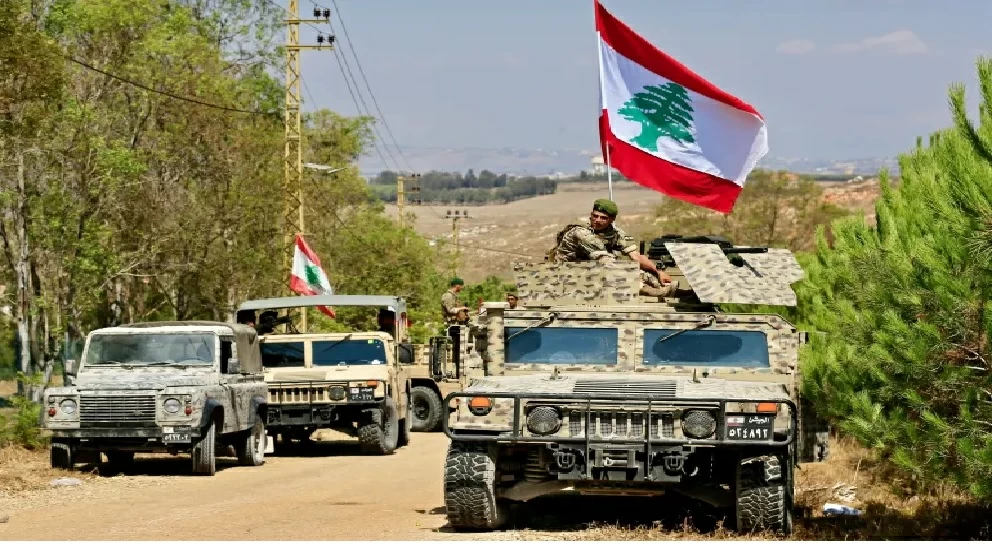
لم تُحدث الجولة الثانية من المفاوضات اللبنانية - الإسرائيلية في روما الاختراق الذي كانت تعوّل عليه الأطراف المعنية، لكنها في الوقت نفسه لم تُغلق باب التفاوض.
فبعد ثلاثة أيام من الاجتماعات التي اختتمت أمس (الخميس) برعاية أمريكية، خرجت الجولة بحصيلة مزدوجة: تقدم محدود في عدد من الملفات التقنية والإنسانية، مقابل استمرار التباعد حول القضايا الجوهرية، ما أبقى فرص التوصل إلى اتفاق نهائي معلقة، مع التمهيد لجولة ثالثة مرتقبة مطلع سبتمبر القادم.
وأكدت مصادر سياسية لـ«عكاظ»، أن الجولة نجحت في التوصل إلى تفاهمات أولية على توحيد المصطلحات العسكرية والمفاهيم المرجعية التي ستنظم آليات العمل بين الوفود خلال المرحلة القادمة، بما يشكل قاعدة تفاوضية مشتركة. وأحرز البحث تقدماً أولياً في ملف الأسرى والمفقودين عبر تبادل اللوائح والمعلومات وفق أحكام القانون الدولي.
وسجلت المفاوضات أيضاً تقدماً في ملف آلية «التحقق»، إذ لم يعد الخلاف متعلقاً بوجود طرف ثالث للإشراف، بعدما جرى إعداد قائمة مختصرة بالجهات المرشحة لهذه المهمة، بل انتقل إلى صلاحيات هذا الطرف وآليات عمله، ولا سيما في ما يتعلق بتقييم انسحاب حزب الله، وتفكيك البنية العسكرية، وتولي الجيش اللبناني السيطرة العملياتية الحصرية، مقابل إعادة انتشار القوات الإسرائيلية وفق أي اتفاق محتمل.
في المقابل، لم ينجح الوفد اللبناني في انتزاع موافقة إسرائيل على مطالبه الأساسية، وفي مقدمها تثبيت وقف شامل لإطلاق النار والأعمال العدائية، وتوسيع المناطق التجريبية بما يسمح بانسحاب إسرائيلي إضافي وانتشار الجيش اللبناني. وتمسكت إسرائيل بمقاربة مختلفة تقوم على إدخال الجيش إلى مواقع تعتبرها مرتبطة بحزب الله خارج المناطق المحتلة، من دون أي انسحاب إسرائيلي في المرحلة الأولى، وهو ما رفضه لبنان باعتباره يغيّر جوهر الآلية المطروحة.
وقالت المصادر لـ«عكاظ» إن هذا التباين يعكس الخلاف الجوهري الذي حال دون تحقيق اختراق، إذ ترى بيروت أن توسيع المناطق النموذجية يرسخ وقف إطلاق النار، فيما تعتبر إسرائيل أن نجاح المرحلتين الأوليين والتحقق من تنفيذهما شرط مسبق لأي توسع لاحق. كما بقي الخلاف قائماً حول استمرار العمليات العسكرية الإسرائيلية بالتوازي مع المفاوضات.
وتزامنت اجتماعات روما مع تصعيد ميداني كبير في الجنوب اللبناني، رأت فيه المصادر رسائل سياسية وعسكرية تتجاوز البعد الأمني، معتبرة أن إسرائيل تسعى إلى فرض وقائع جديدة على الأرض أكثر من سعيها إلى تعديل مواقفها على طاولة التفاوض، خصوصاً مع استمرار عمليات التوغل وتعزيز الانتشار العسكري والإصرار على السيطرة على تلة علي الطاهر.
وفي ضوء هذه المعطيات، يبدو أن المفاوضات ستبقى رهينة التطورات الميدانية والاستحقاقات السياسية الإسرائيلية، في وقت تواصل واشنطن جهودها للإبقاء على قنوات التفاوض مفتوحة، بانتظار مرحلة قد تسمح بتحقيق الاختراق الذي لم تنضج ظروفه بعد.
The second round of Lebanese-Israeli negotiations in Rome did not achieve the breakthrough that the concerned parties were counting on, but at the same time, it did not close the door to negotiations.
After three days of meetings that concluded yesterday (Thursday) under American sponsorship, the round ended with a dual outcome: limited progress on several technical and humanitarian files, alongside continued divergence on core issues, which kept the chances of reaching a final agreement in suspense, while paving the way for a third anticipated round at the beginning of next September.
Political sources confirmed to "Okaz" that the round succeeded in reaching preliminary understandings on unifying military terminology and reference concepts that will organize the mechanisms of work between the delegations during the upcoming phase, forming a common negotiating base. Initial progress was made in the file of prisoners and missing persons through the exchange of lists and information in accordance with international law.
The negotiations also recorded progress in the "verification" mechanism file, as the disagreement is no longer related to the presence of a third party to oversee, after a shortlist of candidates for this task was prepared. Instead, the focus has shifted to the powers of this party and its mechanisms of operation, particularly concerning the assessment of Hezbollah's withdrawal, dismantling the military structure, and the Lebanese army taking exclusive operational control, in exchange for the redeployment of Israeli forces according to any potential agreement.
On the other hand, the Lebanese delegation did not succeed in extracting Israel's approval of its core demands, foremost among them establishing a comprehensive ceasefire and cessation of hostilities, and expanding the experimental areas to allow for additional Israeli withdrawal and the deployment of the Lebanese army. Israel insisted on a different approach that involves bringing the army into areas it considers linked to Hezbollah outside the occupied territories, without any Israeli withdrawal in the initial phase, which Lebanon rejected as it alters the essence of the proposed mechanism.
Sources told "Okaz" that this disparity reflects the fundamental disagreement that prevented a breakthrough, as Beirut sees that expanding the model areas solidifies the ceasefire, while Israel considers the success of the first two phases and verifying their implementation a prerequisite for any subsequent expansion. The disagreement also remains over the continuation of Israeli military operations in parallel with the negotiations.
The meetings in Rome coincided with significant military escalation in southern Lebanon, which the sources viewed as political and military messages that go beyond the security dimension, considering that Israel seeks to impose new realities on the ground more than it seeks to modify its positions at the negotiating table, especially with the ongoing incursions and enhanced military deployment and insistence on controlling the Ali al-Tahir hill.
In light of these developments, it seems that the negotiations will remain hostage to field developments and Israeli political entitlements, while Washington continues its efforts to keep the negotiation channels open, awaiting a phase that may allow for the breakthrough that has not yet matured.