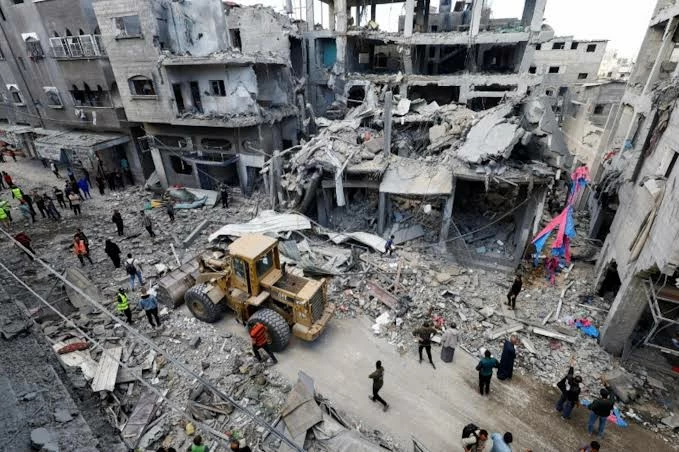
يواجه «مجلس السلام» صعوبات في الانتقال إلى المرحلة الثانية من خطة الرئيس الأمريكي دونالد ترمب بشأن غزة، في ظل تمسك الحكومة الإسرائيلية بالإبقاء على قواتها داخل القطاع ورفضها تنفيذ الانسحاب المنصوص عليه في الخطة، مع إصرارها على إعطاء الأولوية لنزع سلاح حركة حماس وفرض ترتيبات أمنية مشددة.
ونقلت صحيفة «واشنطن بوست»، عن مسؤولين إسرائيليين تأكيدهم أن إسرائيل لن تنسحب من غزة، فيما دعا بعض الوزراء إلى إعادة إنشاء المستوطنات التي أُخليت سابقاً. كما أعلن وزير الأمن القومي إيتمار بن غفير، خلال مظاهرة قرب حدود القطاع، أن «غزة لنا»، في موقف يعكس رفضاً لأي انسحاب كامل.
وبحسب التقرير، تشمل المرحلة الثانية من الخطة تنفيذ عملية متدرجة تتضمن نزع سلاح حماس، وانسحاباً إسرائيلياً، وتشكيل حكومة فلسطينية انتقالية، إلى جانب نشر قوة دولية لتوفير الأمن، بالتزامن مع إطلاق مشاريع إعادة إعمار بتمويل دولي.
وفي محاولة لدفع الخطة، طرح «مجلس السلام» إنشاء «منطقة إنسانية وإدارية» تجريبية قرب رفح تستوعب نحو 50 ألف فلسطيني، على أن تتولى قوة دولية لم تُشكّل بعد تأمينها، بينما تستمر إسرائيل في فرض ترتيبات أمنية تشمل فحص المنتقلين إليها للتأكد من عدم ارتباطهم بحماس.
وأشار التقرير إلى أن المجلس الوزاري الأمني الإسرائيلي وافق من حيث المبدأ على السماح للقوة الدولية بدخول المنطقة، إلا أن أي انتشار للقوات الأجنبية سيظل مشروطاً بموافقة رئيس الوزراء ووزيري الخارجية والدفاع.
وفي الجانب الإنساني، أكد برنامج الأغذية العالمي تحسن وصول المساعدات الغذائية إلى القطاع، لكنه شدد على أن الوضع الإنساني لا يزال بالغ الصعوبة، في ظل نقص المياه والخدمات الصحية والأدوية، واستمرار القيود على دخول المساعدات.
ولفت التقرير إلى استمرار الجهود الدولية لتأمين تمويل مشاريع التعافي وإعادة الإعمار، موضحاً أن دولاً بينها البحرين والمغرب قدمت مساهمات مالية، فيما وافقت المفوضية الأوروبية و15 دولة أوروبية على تخصيص نحو مليار دولار لدعم مشاريع التعافي المبكر في غزة.
وخلص التقرير إلى أن غياب الثقة بين إسرائيل وحماس يبقى العقبة الرئيسية أمام تنفيذ المرحلة الثانية، إذ يتمسك كل طرف بضرورة أن يبدأ الطرف الآخر بتنفيذ التزاماته أولاً، بينما تلقي الاعتبارات السياسية الداخلية في إسرائيل بظلالها على فرص إحراز تقدم في المفاوضات.
The "Peace Council" is facing difficulties in moving to the second phase of U.S. President Donald Trump's plan regarding Gaza, amid the Israeli government's insistence on keeping its forces inside the territory and its refusal to implement the withdrawal stipulated in the plan, while insisting on prioritizing the disarmament of Hamas and imposing strict security arrangements.
The Washington Post reported that Israeli officials confirmed that Israel would not withdraw from Gaza, while some ministers called for the re-establishment of previously evacuated settlements. National Security Minister Itamar Ben Gvir announced during a demonstration near the border of the territory that "Gaza is ours," reflecting a rejection of any complete withdrawal.
According to the report, the second phase of the plan includes implementing a gradual process involving the disarmament of Hamas, an Israeli withdrawal, the formation of a transitional Palestinian government, alongside the deployment of an international force to provide security, coinciding with the launch of reconstruction projects funded internationally.
In an attempt to advance the plan, the "Peace Council" proposed the establishment of a trial "humanitarian and administrative zone" near Rafah to accommodate about 50,000 Palestinians, to be secured by an international force that has not yet been formed, while Israel continues to impose security arrangements that include screening those moving into it to ensure they are not affiliated with Hamas.
The report noted that the Israeli security cabinet has, in principle, approved allowing the international force to enter the area, but any deployment of foreign troops will remain conditional on the approval of the Prime Minister and the Ministers of Foreign Affairs and Defense.
On the humanitarian side, the World Food Programme confirmed improved access to food aid in the territory, but emphasized that the humanitarian situation remains extremely difficult, amid shortages of water, health services, and medicines, and ongoing restrictions on the entry of aid.
The report highlighted the continued international efforts to secure funding for recovery and reconstruction projects, noting that countries including Bahrain and Morocco have provided financial contributions, while the European Commission and 15 European countries have agreed to allocate about one billion dollars to support early recovery projects in Gaza.
The report concluded that the lack of trust between Israel and Hamas remains the main obstacle to implementing the second phase, as each party insists that the other must begin fulfilling its commitments first, while internal political considerations in Israel cast a shadow over the chances of progress in negotiations.