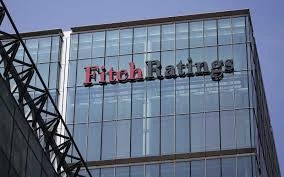
حذرت وكالة «فيتش» من أن الطفرة الحالية في استثمارات الذكاء الاصطناعي واحتمال تصحيح السوق يعتبران من أبرز المخاطر التي تهدد أسواق الائتمان العالمية، خصوصاً مع تضخم تقييمات شركات التكنولوجيا.
عدم يقين
قالت الوكالة في تقرير صدر اليوم إن مخاطر الائتمان على المدى القصير تتركز في احتمال حدوث تصحيح واسع النطاق في الأصول المرتبطة بالذكاء الاصطناعي، إلى جانب استمرار حالة عدم اليقين الناجمة عن الحرب في الشرق الأوسط. وذكرت أن حجم الاستثمارات الضخم في الذكاء الاصطناعي جعل الاقتصادات وأسواق المال، لا سيما في الولايات المتحدة، أكثر عرضة لتداعيات أي تصحيح في هذا القطاع.
تصحيح طويل
أشارت الوكالة إلى أن طفرة الاستثمار في الذكاء الاصطناعي أضافت 1.4% إلى نمو الاقتصاد الأمريكي خلال الربع الأول من 2026، لكنها حذرت من أن الغموض المحيط بعوائد هذه الاستثمارات إلى جانب المنافسة والتأثير على سوق العمل قد يؤدي إلى تصحيح طويل الأمد ينعكس على الاقتصاد العالمي. وحذرت الوكالة من المخاطر الجيوسياسية، وتوقعت تباطؤ نمو الاقتصاد العالمي إلى 2.4% في 2026، مع ارتفاع التضخم في الولايات المتحدة إلى 3.7% بنهاية العام بفعل ارتفاع أسعار الطاقة، مشيرة إلى أن ظاهرة «إلنينيو» قد تزيد من الضغوط التضخمية.
Fitch Ratings warned that the current surge in artificial intelligence investments and the potential market correction are among the main risks threatening global credit markets, especially with the inflated valuations of technology companies.
Uncertainty
The agency stated in a report released today that short-term credit risks are concentrated in the likelihood of a widespread correction in assets linked to artificial intelligence, alongside the ongoing uncertainty stemming from the war in the Middle East. It noted that the massive investments in artificial intelligence have made economies and financial markets, particularly in the United States, more susceptible to the repercussions of any correction in this sector.
Long Correction
The agency pointed out that the investment boom in artificial intelligence added 1.4% to U.S. economic growth during the first quarter of 2026, but warned that the ambiguity surrounding the returns on these investments, along with competition and its impact on the labor market, could lead to a long-term correction that would affect the global economy. The agency cautioned about geopolitical risks and predicted a slowdown in global economic growth to 2.4% in 2026, with inflation in the United States rising to 3.7% by the end of the year due to rising energy prices, noting that the phenomenon of "El Niño" could increase inflationary pressures.