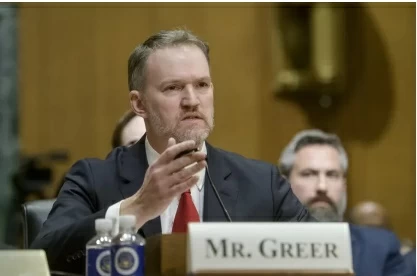
أعلن الممثل التجاري الأمريكي جيميسون جرير أن الرسوم الجمركية الجديدة التي فرضها الرئيس دونالد ترمب على 60 شريكاً تجارياً بسبب تهاونهم المزعوم في تطبيق حظر العمل القسري لن يكون لها على الأرجح تأثير اقتصادي. وأوضح أن ذلك يعود إلى أن معدلاتها البالغة 10% أو 12.5% مماثلة للإجراءات الجمركية العالمية الأخيرة.
مجموعة أصغر
وقال جرير لقناة فوكس نيوز: «الرسوم الجمركية الجديدة بموجب المادة 301 تفرض على مجموعة أصغر من الدول مقارنة بالرسوم الجمركية المؤقتة البالغة 10%، التي كانت شاملة وانتهى العمل بها». ومع ذلك، تشير التقارير إلى أن الرسوم المرتبطة بالعمل القسري ستظل تغطي 99.4% من واردات الولايات المتحدة.
وأضاف جرير رداً على سؤال حول تأثير الرسوم على قرارات مجلس الاحتياطي الاتحادي بشأن السياسة النقدية هذا الأسبوع: «لا أعتقد أن لها أي تأثير على الإطلاق، فلدينا الآن مجموعة من الرسوم الجمركية تشمل مجموعة أصغر، ولا تطال العالم بأسره، وكثير من المعدلات متشابهة إلى حد كبير، لذا لا ينبغي أن يكون لها أي تأثير اقتصادي مختلف عما شهدناه».
ممارسات غير عادلة
وأفاد جرير بأن مكتب الممثل التجاري الأمريكي يواصل العمل في تحقيق آخر واسع النطاق بشأن الرسوم الجمركية بموجب المادة 301 من قانون التجارة لعام 1974، يستهدف الطاقة الصناعية الفائضة لدى 16 شريكاً تجارياً رئيسياً، منهم الصين وفيتنام والمكسيك والاتحاد الأوروبي. وذكر قائلاً: «نأمل أن ننهي هذا التحقيق قريباً، وسنقدم مقترحاً، وذلك قد يؤدي إلى فرض رسوم جمركية إضافية».
ودافع جرير عن استخدام المادة 301، وهي قانون يستهدف الممارسات التجارية غير العادلة الخاصة بكل بلد لفرض رسوم جمركية واسعة النطاق، لافتا إلى أن المحكمة العليا الأمريكية أشارت إليها في قرارها بإلغاء رسوم ترمب الواسعة التي فرضت بموجب قانون الطوارئ الوطنية.
The U.S. Trade Representative, Jameson Greer, announced that the new tariffs imposed by President Donald Trump on 60 trading partners due to their alleged laxity in enforcing the forced labor ban are unlikely to have an economic impact. He explained that this is because their rates of 10% or 12.5% are similar to recent global tariff measures.
Smaller Group
Greer told Fox News: “The new tariffs under Section 301 are imposed on a smaller group of countries compared to the temporary 10% tariffs, which were comprehensive and have now ended.” However, reports indicate that the tariffs related to forced labor will still cover 99.4% of U.S. imports.
He added in response to a question about the impact of the tariffs on the Federal Reserve's monetary policy decisions this week: “I don’t think they have any impact at all, as we now have a set of tariffs that includes a smaller group and does not affect the entire world, and many of the rates are quite similar, so they shouldn’t have any different economic impact than what we’ve seen.”
Unfair Practices
Greer reported that the Office of the U.S. Trade Representative continues to work on another broad investigation into tariffs under Section 301 of the Trade Act of 1974, targeting the excess industrial capacity of 16 major trading partners, including China, Vietnam, Mexico, and the European Union. He stated: “We hope to conclude this investigation soon, and we will propose measures, which may lead to the imposition of additional tariffs.”
Greer defended the use of Section 301, a law targeting unfair trade practices specific to each country to impose broad tariffs, noting that the U.S. Supreme Court referenced it in its decision to overturn Trump’s broad tariffs imposed under the National Emergency Act.