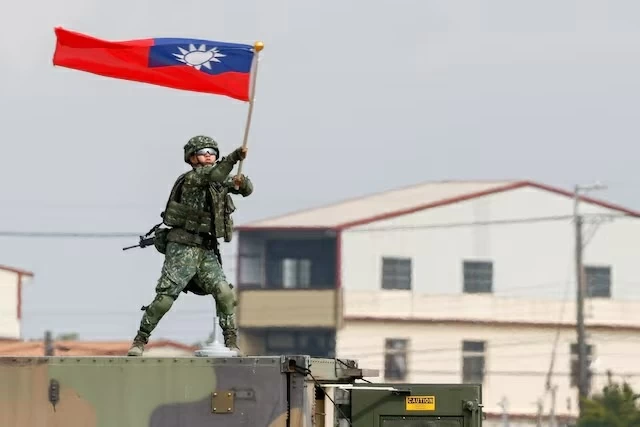
أعلنت وزارة الدفاع التايوانية، اليوم الثلاثاء، أنها ستختبر خلال مناوراتها العسكرية السنوية، الشهر المقبل، نقل خطوط إنتاج الأسلحة إلى مواقع بديلة، إلى جانب تحويل بعض المصانع المدنية إلى الإنتاج العسكري، في إطار الاستعداد لضمان استمرار العمليات القتالية في حال تعرض مراكز الإمداد لهجمات صينية.
وتُجرى هذه الاختبارات ضمن مناورات (هان كوانغ) السنوية، المقررة في الفترة من 5 إلى 14 أغسطس، التي ستحاكي سيناريو تلجأ فيه الصين إلى استغلال مناوراتها العسكرية الدورية لإخفاء استعداداتها لغزو واسع النطاق لتايوان، ما يدفع القوات المسلحة التايوانية إلى رفع درجة الجاهزية القتالية وتنفيذ عمليات انتشار واستجابة سريعة.
ووفقًا لخطة المناورات، ستختبر تايوان قدرتها على توزيع الإنتاج الصناعي على مواقع متعددة مع الحفاظ على وتيرة تصنيع المعدات والاحتياجات العسكرية اللازمة لدعم القوات المسلحة خلال أي نزاع.
ويأتي هذا التوجه انطلاقًا من مخاوف تايبيه من أن تسعى بكين، في المراحل الأولى من أي هجوم، إلى شلِّ مراكز القيادة والموانئ ومواقع الخدمات اللوجستية ومنشآت الصناعات الدفاعية.
وتؤكد الحكومة التايوانية رفضها لمطالبات الصين بالسيادة على الجزيرة، مشددة على أن تايوان دولة مستقلة بالفعل.
وقال رئيس إدارة العمليات المشتركة اللواء لو وين-يوان،خلال مؤتمر صحفي، إن المناورات ستفترض استخدام القوات الصينية مناوراتها العسكرية السنوية المشتركة غطاءً لإجراء تدريبات واسعة على عمليات الإنزال، مع إخفاء الاستعدادات النهائية لشن هجوم على تايوان.
وأضاف أن التدريبات ستشمل محاكاة نقل ترسانة الأسلحة التابعة لمكتب التسليح، والمعروفة باسم الترسانة 202 في العاصمة تايبيه، إلى مواقع بديلة خلال زمن الحرب، إضافة إلى تعبئة المصانع المدنية المسؤولة عن تجميع الأنظمة العسكرية بالكامل فور صدور أوامر الطوارئ.
كما ستختبر المناورات قدرة تايوان على الحفاظ على انسيابية الملاحة البحرية وتأمين وصول الإمدادات الحيوية، من خلال تدريبات مشتركة بين القوات البحرية وخفر السواحل باستخدام قوات ومعدات وذخيرة حية، تشمل إعادة تجهيز سفن خفر السواحل، وتنفيذ ضربات ساحلية، وعمليات إنفاذ القانون البحري، ومرافقة شحنات الإمدادات الاستراتيجية.
وتأتي هذه المناورات في وقت تشير فيه تايوان إلى تصاعد ملحوظ في نشاط خفر السواحل الصيني حول الجزيرة، ما يثير مخاوف من احتمال زيادة الضغوط الصينية على السواحل المطلة على المحيط الهادئ وتهديد خطوط الإمداد الحيوية.
وللمرة الأولى، ستتضمن المناورات إبطاء سرعة خدمات الإنترنت عبر شبكات الهاتف المحمول بشكل متعمد طوال فترة التدريبات الممتدة لعشرة أيام، بهدف اختبار آليات تواصل المواطنين في حال تعرض شبكات الاتصالات لضغط شديد أو انخفضت سعتها خلال حالات الطوارئ، سواء بسبب الكوارث الطبيعية أو في حال وقوع هجوم صيني.
The Taiwanese Ministry of Defense announced today, Tuesday, that during its annual military exercises next month, it will test the relocation of weapon production lines to alternative sites, along with converting some civilian factories to military production, as part of preparations to ensure the continuity of combat operations in the event that supply centers are attacked by China.
These tests will be conducted as part of the annual (Han Kuang) exercises, scheduled from August 5 to 14, which will simulate a scenario in which China seeks to exploit its periodic military maneuvers to conceal its preparations for a large-scale invasion of Taiwan, prompting the Taiwanese armed forces to raise their combat readiness and execute rapid deployment and response operations.
According to the exercise plan, Taiwan will test its ability to distribute industrial production across multiple locations while maintaining the pace of manufacturing the necessary military equipment and supplies to support the armed forces during any conflict.
This approach comes amid Taipei's concerns that Beijing may seek to incapacitate command centers, ports, logistics sites, and defense industry facilities in the early stages of any attack.
The Taiwanese government reaffirms its rejection of China's claims of sovereignty over the island, emphasizing that Taiwan is indeed an independent state.
During a press conference, Major General Lu Wen-yuan, head of the Joint Operations Command, stated that the exercises will assume that Chinese forces will use their annual joint military maneuvers as a cover to conduct extensive training on landing operations, while concealing final preparations for launching an attack on Taiwan.
He added that the drills will include simulating the relocation of the weapons arsenal belonging to the Armaments Bureau, known as Arsenal 202 in the capital Taipei, to alternative sites during wartime, in addition to mobilizing civilian factories responsible for fully assembling military systems immediately upon the issuance of emergency orders.
The exercises will also test Taiwan's ability to maintain smooth maritime navigation and secure the delivery of vital supplies through joint drills between the navy and coast guard using forces, equipment, and live ammunition, including re-equipping coast guard vessels, executing coastal strikes, conducting maritime law enforcement operations, and escorting strategic supply shipments.
These maneuvers come at a time when Taiwan is indicating a noticeable increase in Chinese coast guard activity around the island, raising concerns about the potential for increased Chinese pressure on the Pacific-facing coasts and threats to vital supply lines.
For the first time, the exercises will deliberately slow down internet services via mobile networks throughout the ten-day training period, aiming to test citizens' communication mechanisms in the event that communication networks come under severe pressure or their capacity decreases during emergencies, whether due to natural disasters or in the event of a Chinese attack.