لم تستبعد تقارير أمريكية انتقال المواجهة بين واشنطن وطهران إلى عمليات برية داخل إيران. وتحدثت مجلات «فورين بوليسي ونيوزويك وفورين أفيرز» عن تعقيدات الحرب المتصاعدة.
السيناريو الأكثر واقعية
وأشار أحد التقارير إلى احتمال الاجتياح البري كآخر الخيارات الأمريكية للتعامل مع أزمة مضيق هرمز، في حين وضع تقرير آخر الحرب في إطار أوسع باعتبارها مؤشراً على تغير قواعد القوة في النظام الدولي.
لكن مجلة «فورين بوليسي» اعتبر أن فكرة شن غزو أمريكي شامل لإيران تبدو مستبعدة في ظل الظروف الحالية، نظراً لضخامة التحديات العسكرية والجغرافية التي ستواجهها الولايات المتحدة.
ورأت أن السيناريو الأكثر واقعية لا يتمثل في احتلال الأراضي الإيرانية، وإنما في تنفيذ عمليات برية محدودة تستهدف مواقع إستراتيجية أو جزر ذات أهمية عسكرية واقتصادية.
السيطرة على جزيرة خارك
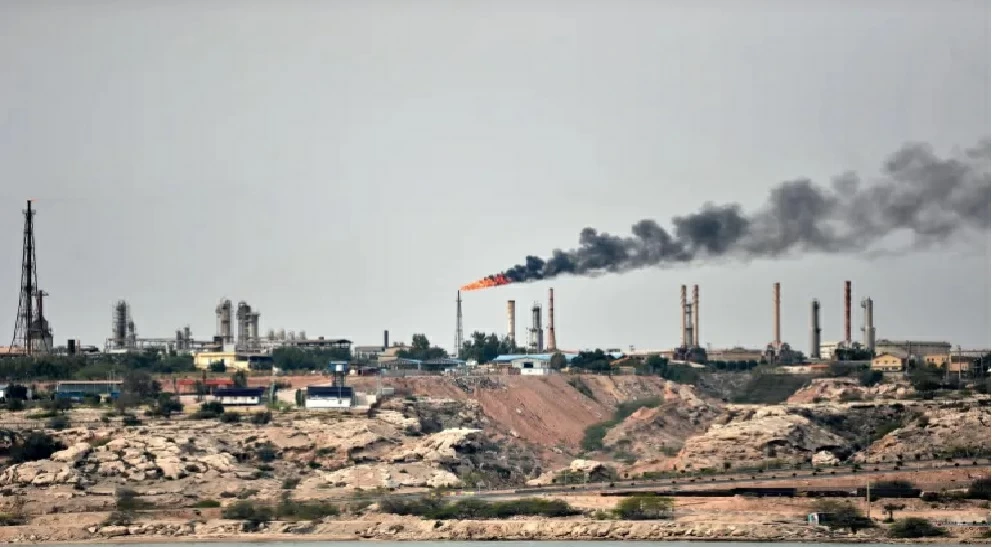
وتبرز جزيرة خارك باعتبارها هدفاً محتملاً بسبب دورها الرئيسي في صادرات النفط الإيرانية، إلا أن السيطرة عليها لا تخلو من مخاطر، إذ يمكن أن تواجه القوات الأمريكية هجمات بالصواريخ والطائرات المسيّرة، كما قد تتحول العملية إلى التزام عسكري طويل الأمد.
ونقل التقرير عن خبراء ومسؤولين عسكريين سابقين أن الجيش الأمريكي قادر على تنفيذ عمليات نوعية ضد مراكز القيادة والسيطرة أو منشآت الصواريخ والاتصالات، لكنه يواجه صعوبة في تحويل هذه العمليات إلى حسم سياسي.
وبحسب التقرير فإن المشكلة لا تكمن في القدرة على تنفيذ الضربات، بل في تحديد الهدف النهائي للحرب وكيفية الحفاظ على أي مكاسب عسكرية يتم تحقيقها.
مضيق هرمز قلب المواجهة
أما مجلة «نيوزويك» فركزت على أزمة مضيق هرمز باعتباره قلب المواجهة، موضحة أن هذا الممر البحري الذي تمر عبره نسبة كبيرة من تجارة الطاقة العالمية أصبح ورقة ضغط إستراتيجية تستخدمها إيران للتأثير على حركة الملاحة الدولية.
ويرى الكاتب أن إدارة الرئيس دونالد ترمب تواجه أربعة خيارات رئيسية، لكنها جميعاً تحمل تكاليف ومخاطر كبيرة.
ويتمثل الخيار الأول في توسيع الضربات الجوية ضد المواقع العسكرية الإيرانية، إلا أن القصف وحده لم ينجح في دفع طهران إلى تغيير موقفها، بسبب قدرتها على إعادة نشر قواتها واستمرار امتلاكها وسائل ضغط على الملاحة.
ويعتمد الخيار الثاني على حماية الناقلات التجارية عبر انتشار بحري أمريكي واسع، لكنه يواجه تحديات تتعلق بمدى قدرة البحرية الأمريكية على تنفيذ مهمة مستمرة في بيئة مليئة بالتهديدات.
وتحدث التقرير عن خيار ثالث يتمثل بتنفيذ عملية برية محدودة للسيطرة على جزر أو مناطق ساحلية، لكنه يؤكد أن هذا الخيار يتطلب قوات كبيرة ودعماً عسكرياً واسعاً، وقد يؤدي إلى خسائر بشرية ومادية مرتفعة.
ويطرح الخيار الرابع العودة إلى المفاوضات باعتبارها الخيار الأقل كلفة، رغم صعوبة التوصل إلى اتفاق بسبب الخلافات العميقة بين واشنطن وطهران بشأن إدارة المضيق والملفات الإقليمية.
علامة على نهاية مرحلة
ومن زاوية مختلفة، اعتبرت «فورين أفيرز» أن المواجهة مع إيران تمثل علامة على نهاية مرحلة اعتادت فيها الولايات المتحدة الاعتماد على تفوقها العسكري لحسم الصراعات بسرعة.
وقارنت بين حرب الخليج عام 1991 التي كرست صورة القوة الأمريكية المهيمنة، والحرب الحالية التي تكشف حدود هذه القوة، مشيراً إلى أن انتشار التكنولوجيا العسكرية الحديثة، خصوصاً الطائرات المسيّرة والصواريخ الدقيقة منخفضة التكلفة، غيّر طبيعة الحروب، لأن هذه الأدوات لم تعد حكراً على القوى الكبرى، بل أصبحت متاحة لدول أقل قوة، ومنحها قدرة أكبر على إلحاق خسائر بالخصوم وإطالة أمد النزاعات.
وأكدت أن أزمة مضيق هرمز تعكس تحولاً أوسع في النظام الدولي، حيث أصبحت السيطرة على الثقة في طرق التجارة العالمية عنصراً أساسياً من عناصر القوة.
American reports have not ruled out the possibility of the confrontation between Washington and Tehran escalating into ground operations inside Iran. Magazines such as "Foreign Policy," "Newsweek," and "Foreign Affairs" have discussed the complexities of the escalating war.
The Most Realistic Scenario
One report indicated that a ground invasion could be the last American option for dealing with the Strait of Hormuz crisis, while another report framed the war in a broader context as an indication of changing power dynamics in the international system.
However, "Foreign Policy" considered the idea of a comprehensive American invasion of Iran to be unlikely under current circumstances, given the enormous military and geographical challenges the United States would face.
It viewed the most realistic scenario not as the occupation of Iranian territory, but as the execution of limited ground operations targeting strategic sites or islands of military and economic importance.
Control of Khark Island
Khark Island emerges as a potential target due to its key role in Iranian oil exports, but controlling it is not without risks, as American forces could face missile and drone attacks, and the operation could turn into a long-term military commitment.
The report quoted experts and former military officials stating that the U.S. military is capable of executing targeted operations against command and control centers or missile and communication facilities, but it struggles to translate these operations into political resolution.
According to the report, the problem lies not in the ability to carry out strikes, but in determining the ultimate goal of the war and how to maintain any military gains achieved.
The Strait of Hormuz: The Heart of the Confrontation
Meanwhile, "Newsweek" focused on the Strait of Hormuz crisis as the heart of the confrontation, explaining that this maritime passage, through which a large percentage of global energy trade flows, has become a strategic leverage point used by Iran to influence international shipping.
The author believes that President Donald Trump's administration faces four main options, all of which carry significant costs and risks.
The first option involves expanding airstrikes against Iranian military sites, but bombing alone has not succeeded in pushing Tehran to change its stance, due to its ability to redeploy its forces and maintain leverage over shipping.
The second option relies on protecting commercial tankers through a broad American naval deployment, but it faces challenges regarding the U.S. Navy's ability to carry out a sustained mission in a threat-filled environment.
The report discussed a third option involving a limited ground operation to seize islands or coastal areas, but it emphasizes that this option requires large forces and extensive military support, which could lead to high human and material losses.
The fourth option proposes returning to negotiations as the least costly choice, despite the difficulty of reaching an agreement due to deep disagreements between Washington and Tehran regarding the management of the strait and regional issues.
Sign of the End of an Era
From a different perspective, "Foreign Affairs" considered the confrontation with Iran to be a sign of the end of an era in which the United States relied on its military superiority to quickly resolve conflicts.
It compared the Gulf War of 1991, which solidified the image of American dominance, with the current war that reveals the limits of this power, noting that the proliferation of modern military technology, especially drones and low-cost precision missiles, has changed the nature of wars, as these tools are no longer exclusive to major powers but are now accessible to less powerful countries, granting them greater capacity to inflict losses on adversaries and prolong conflicts.
It emphasized that the Strait of Hormuz crisis reflects a broader shift in the international system, where control over trade routes has become a fundamental element of power.