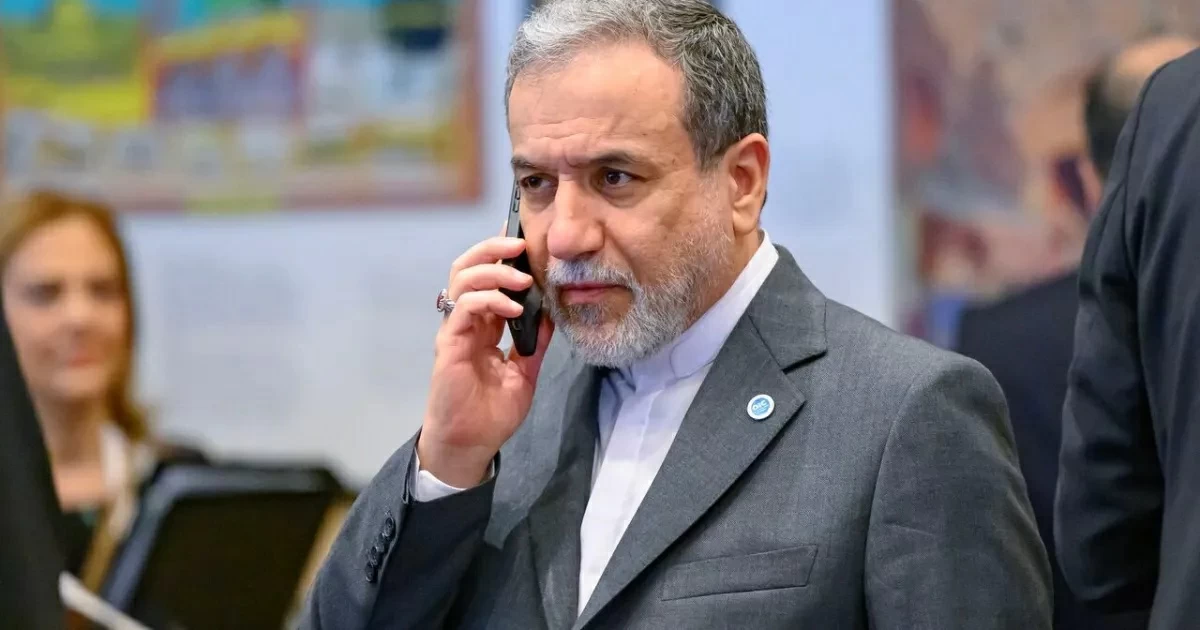
أثارت تصريحات وزير الخارجية الإيراني عباس عراقجي، التي أكد فيها أنه لم يلتقِ المرشد الإيراني مجتبى خامنئي، جدلاً كبيراً في إيران.
واستعرض عراقجي في مقابلة على «يوتيوب» مع المخرج الوثائقي جواد موغوي، كواليس إدارة المفاوضات مع الولايات المتحدة وآلية صنع القرار في طهران، موضحاً أن لجنة مصغرة مؤلفة من ستة أعضاء داخل المجلس الأعلى للأمن القومي كانت تتولى اتخاذ القرارات الفورية بشأن مذكرة التفاهم مع واشنطن.
وأشار إلى أنه لم يلتقِ حتى الآن المرشد الإيراني الجديد مجتبى خامنئي، مضيفاً: «لا يعتقد أن أحداً رآه في المرحلة الحالية سوى عدد محدود جداً من الأشخاص».
وأثارت تلك التصريحات جدلاً واسعاً في إيران، مما أدى إلى حذف المقابلة بالكامل بعد ساعات من نشرها.
واعتبر وزير الخارجية الإيراني انتخاب مجتبى تأكيداً على استمرار مبادئ الجمهورية الإيرانية وعدم حدوث أي تغيير في نهجها.
وفيما يخص قرارات المفاوضات، قال عراقجي إن القرارات المتعلقة بالمفاوضات مع الولايات المتحدة لم تكن تُتخذ داخل المجلس الأعلى للأمن القومي بكامل أعضائه، بل عبر لجنة مصغرة ضمت ستة أعضاء، من بينهم الرئيس الإيراني مسعود بزشكيان، ورئيس البرلمان محمد باقر قاليباف، وأمين المجلس الأعلى للأمن القومي محمد باقر ذو القدر، إضافة إليه وإلى عضوين آخرين لم يكشف هويتهما.
وأشار إلى أن اللجنة كانت تتخذ القرارات في حينها بسبب صعوبة التواصل مع القيادة العليا، مبيناً أن جميع الملفات المرتبطة بالمفاوضات كانت تمر عبرها وفق الإجراءات نفسها المعتمدة داخل المجلس الأعلى للأمن القومي.
ولفت إلى أن اللجنة تشكلت بعد حرب الأيام الـ12، وكانت في بدايتها لجنة معنية بالملف النووي برئاسة علي شمخاني، قبل أن تتحول لاحقاً إلى لجنة للمفاوضات برئاسة علي لاريجاني.
وانتقدت وسائل إعلام إيرانية المقابلة، معتبرة أنها عرضت معلومات حساسة تتعلق بكيفية إدارة الدولة خلال الحرب.
ورأت صحيفة «جوان»، المقربة من الحرس الثوري، أن مقابلة عراقجي عرضت «أموراً لم يكن ينبغي إعلانها»، موجهة له سيلاً من الانتقادات اللاذعة.
وتأتي هذه التصريحات في وقت لم يظهر فيه مجتبى خامنئي علناً منذ تعيينه مرشداً ثالثاً للنظام الإيراني، ولم ينشر أي رسالة صوتية أو مصورة، فيما تقتصر الرسائل المنسوبة إليه على بيانات مكتوبة منذ إصابته في الهجوم الذي قُتل فيه والده وسلفه علي خامنئي في فبراير الماضي.
وأثار غيابه الطويل عن الأنظار تساؤلات متزايدة بشأن مدى دوره الفعلي في إدارة شؤون البلاد، كما زاد من الجدل حول أزمة الشرعية التي يواجهها النظام الإيراني.
The statements made by Iranian Foreign Minister Abbas Araghchi, in which he confirmed that he has not met with the Iranian leader Mojtaba Khamenei, have sparked significant controversy in Iran.
In an interview on YouTube with documentary filmmaker Javad Moghouei, Araghchi reviewed the behind-the-scenes management of negotiations with the United States and the decision-making process in Tehran, explaining that a small committee consisting of six members within the Supreme National Security Council was responsible for making immediate decisions regarding the memorandum of understanding with Washington.
He noted that he has not yet met the new Iranian leader Mojtaba Khamenei, adding: "I don't think anyone has seen him at this stage except for a very limited number of people."
These statements have led to widespread debate in Iran, resulting in the complete removal of the interview just hours after it was published.
The Iranian Foreign Minister considered Mojtaba's election as a confirmation of the continuity of the principles of the Iranian republic and that there would be no change in its approach.
Regarding the decisions on negotiations, Araghchi stated that decisions related to negotiations with the United States were not made within the Supreme National Security Council with all its members, but rather through a small committee that included six members, among them Iranian President Masoud Bezhakian, Parliament Speaker Mohammad Baqer Qalibaf, and Secretary of the Supreme National Security Council Mohammad Baqer Zolqadr, in addition to himself and two other members whose identities were not disclosed.
He pointed out that the committee made decisions at the time due to the difficulty of communicating with the top leadership, indicating that all files related to the negotiations passed through it according to the same procedures adopted within the Supreme National Security Council.
He noted that the committee was formed after the 12-day war, initially as a committee concerned with the nuclear file chaired by Ali Shamkhani, before it later transformed into a negotiation committee chaired by Ali Larijani.
Iranian media criticized the interview, considering that it presented sensitive information regarding how the state was managed during the war.
The newspaper "Javan," close to the Revolutionary Guard, viewed Araghchi's interview as presenting "matters that should not have been disclosed," directing a torrent of sharp criticisms at him.
These statements come at a time when Mojtaba Khamenei has not appeared publicly since his appointment as the third leader of the Iranian regime, and he has not released any audio or video messages, with the messages attributed to him being limited to written statements since he was injured in the attack that killed his father and predecessor Ali Khamenei last February.
His long absence from public view has raised increasing questions about the extent of his actual role in managing the country's affairs, as well as intensifying the debate over the legitimacy crisis faced by the Iranian regime.