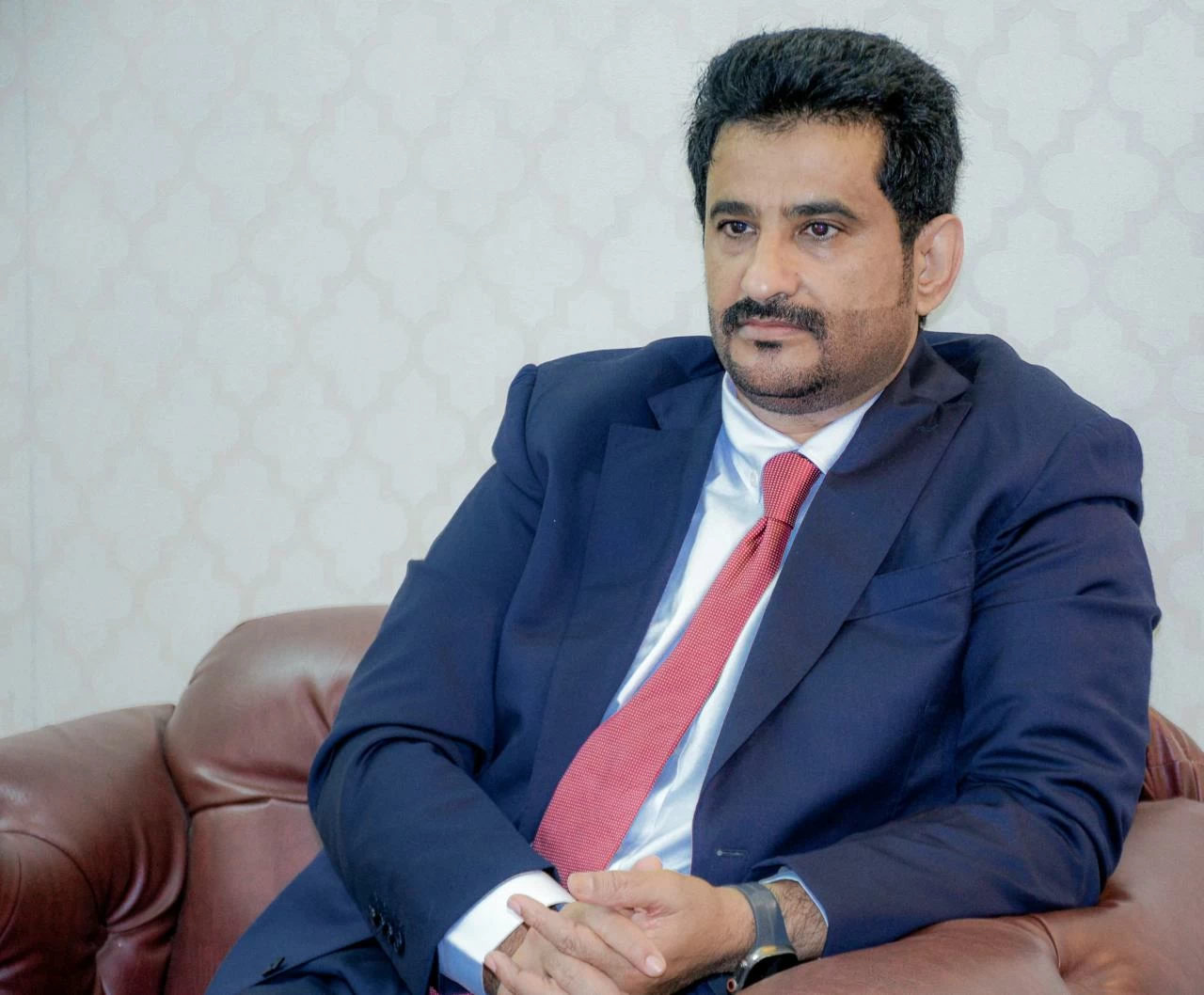
كشف نائب وزير النقل ناصر أحمد شريف زيف الادعاءات والأكاذيب التي تروج لها مليشيات الحوثي بشأن ما تسميه «حصاراً» على ميناء الحديدة، مؤكداً أن البيانات والأرقام الصادرة عن آلية الأمم المتحدة للتحقق والتفتيش في اليمن (UNVIM) تكشف حجم التدفق التجاري والإنساني الذي استمر عبر الميناء منذ بدء عمل الآلية عام 2016 وحتى مايو 2026.
وأوضح شريف أن المزاعم الحوثية التي تحاول تصوير ميناء الحديدة كمنفذ مغلق أمام الواردات تتناقض مع الحقائق الموثقة أممياً، التي تؤكد استمرار دخول كميات كبيرة من المواد الغذائية والوقود والبضائع التجارية إلى الميناء وفق الإجراءات الدولية المعتمدة، إلى جانب ما يصل إلى مناطق سيطرة المليشيات عبر المنافذ البرية القادمة من المحافظات الخاضعة للحكومة الشرعية.
وأشار نائب وزير النقل إلى أن ملخص بيانات آلية UNVIM خلال الفترة الممتدة من مايو 2016 وحتى مايو 2026 يوضح أن الآلية استقبلت 3,560 طلب تصريح، ونفذت 2,634 عملية تفتيش، فيما تمكنت 3,238 سفينة من تفريغ حمولاتها ومغادرة الموانئ اليمنية بعد استكمال الإجراءات اللازمة.
وأكد أن حجم الواردات التي دخلت عبر الآلية الأممية خلال تلك الفترة يعكس مستوى التسهيلات المقدمة لحركة الاستيراد، حيث بلغت الكميات:
- 41.5 مليون طن من المواد الغذائية.
- 20.1 مليون طن من الوقود.
- 10.4 مليون طن من البضائع والسلع الأخرى.
ولفت إلى أنه بحسب هذه الأرقام، تجاوز إجمالي ما دخل عبر آلية الأمم المتحدة 72 مليون طن من السلع والمواد الأساسية، وهو ما يؤكد أن ميناء الحديدة ظل مفتوحاً أمام حركة الواردات ولم يكن خاضعاً لحصار كما تدعي المليشيات الحوثية.
وقال شريف إن استمرار الخطاب الحوثي حول «الحصار» يأتي ضمن حملات تضليل سياسية تهدف إلى تحميل الآخرين مسؤولية الأوضاع الاقتصادية والإنسانية، في الوقت الذي تكشف فيه التقارير الأممية حجم الحركة التجارية التي استمرت عبر الميناء خلال السنوات الماضية.
وأضاف أن القضية لم تكن يوماً مرتبطة بمنع دخول الاحتياجات الأساسية إلى اليمن، وإنما بكيفية إدارة الموارد والإيرادات الناتجة عن الموانئ والمنافذ، وضمان توجيهها لخدمة المواطنين وتحسين أوضاعهم المعيشية.
وتساءل شريف: أين تذهب كل هذه الأموال من إيرادات الميناء والرسوم الأخرى؟ مؤكداً أن حجم هذه الإيرادات يتطلب إدارات مالية ضخمة وشركات متخصصة لإدارتها، إلا أنها لم تنعكس على حياة المواطنين، ولم تُستخدم في صرف المرتبات أو تقديم الخدمات الأساسية، بل ظلت خارج إطار التنمية وتحسين الوضع المعيشي للسكان.
وشدد على أن الحكومة اليمنية ملتزمة بالقوانين والاتفاقيات الدولية المنظمة للملاحة البحرية، وتحرص على ضمان انسيابية دخول السلع الأساسية والوقود لجميع أبناء الشعب اليمني، بعيداً عن أي توظيف سياسي لمعاناة المواطنين.
وأكد نائب وزير النقل، في ختام تصريحه، أن الحقائق الموثقة بالأرقام تبقى أقوى من حملات التضليل، وأن السجلات الدولية تقدم دليلاً واضحاً على حجم التسهيلات التي ضمنت استمرار حركة الملاحة والإمدادات عبر الموانئ اليمنية.
Deputy Minister of Transport Nasser Ahmed Sharif revealed the falsity of the claims and lies propagated by the Houthi militias regarding what they call a "blockade" on the port of Hodeidah, confirming that the data and figures issued by the United Nations Verification and Inspection Mechanism in Yemen (UNVIM) reveal the scale of commercial and humanitarian flow that has continued through the port since the mechanism began operations in 2016 until May 2026.
Sharif explained that the Houthi allegations attempting to portray the port of Hodeidah as a closed outlet for imports contradict the internationally documented facts, which confirm the continued entry of large quantities of food, fuel, and commercial goods into the port according to the approved international procedures, in addition to what reaches the areas under the control of the militias through land crossings coming from the provinces under the legitimate government.
The Deputy Minister of Transport pointed out that the summary of UNVIM data during the period from May 2016 to May 2026 shows that the mechanism received 3,560 permit requests and conducted 2,634 inspection operations, while 3,238 ships were able to unload their cargo and leave Yemeni ports after completing the necessary procedures.
He confirmed that the volume of imports that entered through the UN mechanism during that period reflects the level of facilitation provided for the import movement, with quantities reaching:
- 41.5 million tons of foodstuffs.
- 20.1 million tons of fuel.
- 10.4 million tons of other goods and commodities.
He pointed out that according to these figures, the total amount that entered through the United Nations mechanism exceeded 72 million tons of goods and essential materials, which confirms that the port of Hodeidah remained open to the flow of imports and was not subject to a blockade as claimed by the Houthi militias.
Sharif stated that the continued Houthi rhetoric about the "blockade" comes as part of political disinformation campaigns aimed at placing the responsibility for the economic and humanitarian situations on others, while UN reports reveal the scale of commercial activity that has continued through the port over the past years.
He added that the issue has never been related to preventing the entry of basic needs into Yemen, but rather how to manage the resources and revenues generated from the ports and crossings, and ensuring they are directed to serve the citizens and improve their living conditions.
Sharif questioned: Where does all this money from port revenues and other fees go? Confirming that the size of these revenues requires massive financial administrations and specialized companies to manage them, yet they have not reflected on the lives of citizens, nor have they been used to pay salaries or provide basic services, but rather remained outside the framework of development and improving the living conditions of the population.
He emphasized that the Yemeni government is committed to the laws and international agreements governing maritime navigation, and is keen to ensure the smooth entry of essential goods and fuel for all Yemeni people, away from any political exploitation of the citizens' suffering.
In conclusion, the Deputy Minister of Transport affirmed that the facts documented by numbers remain stronger than disinformation campaigns, and that international records provide clear evidence of the scale of facilitation that has ensured the continuity of navigation and supplies through Yemeni ports.