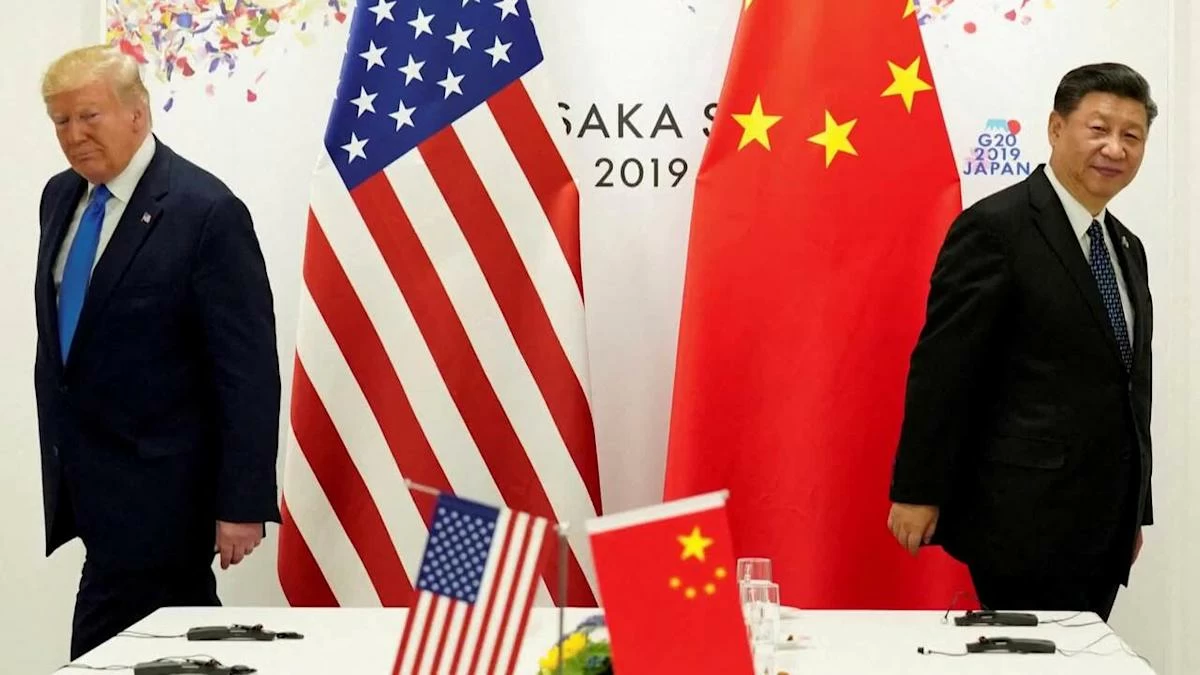
عاد ملف الانتخابات الرئاسية الأمريكية لعام 2020 إلى واجهة التوتر بين الولايات المتحدة والصين، بعدما جدد الرئيس الأمريكي دونالد ترمب اتهاماته لبكين بالتدخل في الانتخابات التي خسرها أمام الرئيس السابق جو بايدن، في مزاعم قوبلت برفض صيني حاسم.
ونفت وزارة الخارجية الصينية الاتهامات التي أطلقها ترمب، ووصفتها بأنها «هراء محض»، مؤكدة أن بكين تتبنى سياسة ثابتة تقوم على عدم التدخل في الشؤون الداخلية للدول الأخرى، بما في ذلك العمليات الانتخابية.
وشددت الصين على أن موقفها من القضايا الداخلية للدول «واضح وثابت»، معتبرة أن الزج باسمها في الجدل السياسي الأمريكي لا يستند إلى حقائق، ومؤكدة أنها ترفض أي اتهامات تهدف إلى تحميلها مسؤولية الانقسامات أو الخلافات الداخلية في الولايات المتحدة.
وحث المتحدث باسم الخارجية الصينية لين جيان، في مؤتمر صحفي، الولايات المتحدة على مراجعة سلوكها، والكف عن تشويه سمعة الصين بلا أساس، أو استخدامها كذريعة في الحملات الانتخابية، داعياً إلى بذل جهود حقيقية لتعزيز العلاقات الثنائية بين البلدين.
وتأتي تصريحات ترمب في وقت تشهد فيه العلاقات الأمريكية الصينية توترات متصاعدة على خلفية ملفات التجارة، والتكنولوجيا، وتايوان، وبحر الصين الجنوبي، إضافة إلى المنافسة الإستراتيجية المتزايدة بين أكبر اقتصادين في العالم.
ويُعد ملف التدخل الأجنبي في الانتخابات الأمريكية من أكثر القضايا حساسية في المشهد السياسي الأمريكي، إذ يثير باستمرار جدلاً واسعاً بين الحزبين الجمهوري والديمقراطي، خصوصاً مع اقتراب الاستحقاقات الانتخابية وعودة النقاش حول نزاهة العمليات الانتخابية.
وشهدت الانتخابات الرئاسية الأمريكية عام 2020 منافسة حادة انتهت بفوز الديمقراطي جو بايدن على الرئيس الجمهوري آنذاك دونالد ترمب، الذي رفض الإقرار بالهزيمة لفترة طويلة، وكرر مراراً مزاعم بوجود مخالفات وتدخلات أثرت في نتائج الاقتراع، رغم رفض المحاكم والسلطات الانتخابية الأمريكية هذه الادعاءات لعدم وجود أدلة كافية تدعمها.
وخلال السنوات الأخيرة، اتهمت واشنطن عدداً من الدول، من بينها روسيا والصين وإيران، بمحاولة التأثير في الرأي العام الأمريكي عبر حملات إلكترونية أو أنشطة إعلامية، إلا أن بكين دأبت على نفي أي دور لها في الانتخابات الأمريكية، مؤكدة أن سياستها الخارجية تقوم على احترام سيادة الدول وعدم التدخل في شؤونها الداخلية.
وتُعد الاتهامات المتبادلة بين واشنطن وبكين جزءاً من التنافس الإستراتيجي المتصاعد بين البلدين، الذي يمتد إلى مجالات الاقتصاد والتجارة والتكنولوجيا والأمن، ويُنظر إليه باعتباره أحد أبرز ملامح النظام الدولي في السنوات الأخيرة.
The file of the 2020 U.S. presidential elections has returned to the forefront of tensions between the United States and China, after U.S. President Donald Trump renewed his accusations against Beijing of interfering in the elections he lost to former President Joe Biden, allegations that were met with a decisive Chinese rejection.
The Chinese Foreign Ministry denied the accusations made by Trump, describing them as "sheer nonsense," affirming that Beijing adheres to a consistent policy of non-interference in the internal affairs of other countries, including electoral processes.
China emphasized that its position on the internal issues of countries is "clear and firm," considering that dragging its name into the American political debate is not based on facts, and asserting that it rejects any accusations aimed at holding it responsible for divisions or internal disputes in the United States.
Chinese Foreign Ministry spokesman Lin Jian urged the United States, at a press conference, to review its behavior and stop defaming China without basis or using it as a pretext in election campaigns, calling for genuine efforts to enhance bilateral relations between the two countries.
Trump's statements come at a time when U.S.-China relations are experiencing escalating tensions over trade, technology, Taiwan, and the South China Sea, in addition to the increasing strategic competition between the world's two largest economies.
The issue of foreign interference in U.S. elections is one of the most sensitive topics in the American political scene, as it continuously sparks widespread debate between the Republican and Democratic parties, especially with the approaching electoral deadlines and the return of discussions about the integrity of electoral processes.
The 2020 U.S. presidential elections witnessed fierce competition, culminating in a victory for Democrat Joe Biden over then-Republican President Donald Trump, who long refused to concede defeat and repeatedly claimed that there were irregularities and interventions that affected the election results, despite U.S. courts and electoral authorities rejecting these claims due to a lack of sufficient evidence to support them.
In recent years, Washington has accused several countries, including Russia, China, and Iran, of attempting to influence American public opinion through cyber campaigns or media activities; however, Beijing has consistently denied any role in U.S. elections, asserting that its foreign policy is based on respecting the sovereignty of countries and not interfering in their internal affairs.
The mutual accusations between Washington and Beijing are part of the rising strategic competition between the two countries, which extends to the fields of economy, trade, technology, and security, and is viewed as one of the most prominent features of the international system in recent years.