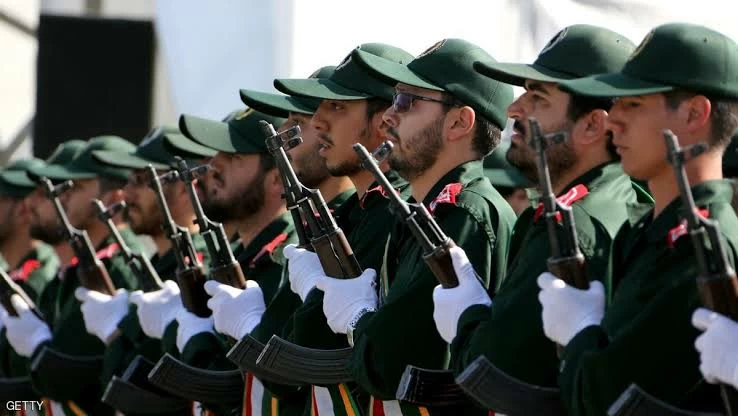
أعلنت الحكومة البريطانية إجراءات جديدة تصنّف الحرس الثوري الإيراني ضمن الكيانات الخاضعة لقوانين جديدة خاصة بالتهديدات المرتبطة بالدول، في إطار تشديد إجراءات الأمن القومي.
وأفادت بأن دعم الحرس الثوري أو تقديم المساعدة له أو العمل لصالحه سيصبح جريمة قد تصل عقوبتها إلى السجن لمدة 14 عاماً في بعض الجرائم المنصوص عليها في التشريع الجديد.
وتأتي الإجراءات في أحدث خطوة ضمن حملة تستهدف الأنشطة المدعومة من دول أجنبية على الأراضي البريطانية. وأكدت وزارة الداخلية البريطانية أن العقوبات الجديدة تشمل كل من يقدم دعماً للحرس الثوري أو يعمل لصالحه أو يحصل على تمويل منه، مشيرة إلى أن مرتكبي أعمال التخريب المرتبطة بهذه الأنشطة قد يواجهون عقوبة السجن مدى الحياة.
وتجيء هذه الإجراءات بعد إدراج الحرس الثوري ضمن أولى الجهات التي تخضع لقانون التهديدات المرتبطة بالدول الأجنبية، الذي يمنح أجهزة الأمن والشرطة صلاحيات أوسع لملاحقة أنشطة التجسس والتخريب والتدخل الخارجي داخل المملكة المتحدة. وأتاح القانون ملاحقة المتهمين دون الحاجة إلى إثبات الصلة بدولة أجنبية في كل قضية.
التحذير جاء بعد أيام من إعلان الحكومة البريطانية إدراج الحرس الإيراني ضمن المستوى الأعلى من برنامج تسجيل النفوذ الأجنبي (FIRS)، وهو ما يفرض قيودًا قانونية مشددة على أي نشاط أو ارتباط بالجماعة الإيرانية داخل المملكة المتحدة، في خطوة بررتها لندن لوقف التهديات التي يشكلها الحرس للأمن القومي، بما في ذلك أنشطة التجسس والتخريب والترهيب عبر وكلاء يعملون لصالحه. وجاء القرار في أعقاب سلسلة حوادث أمنية استهدفت مواقع مرتبطة بالجالية اليهودية في بريطانيا.
The British government has announced new measures that classify the Iranian Revolutionary Guard as entities subject to new laws regarding threats linked to states, as part of tightening national security measures.
It reported that supporting the Revolutionary Guard, providing assistance to it, or working on its behalf will become a crime that could lead to a prison sentence of up to 14 years for certain offenses specified in the new legislation.
These measures come as the latest step in a campaign targeting state-sponsored activities on British soil. The British Home Office confirmed that the new sanctions apply to anyone who provides support to the Revolutionary Guard, works on its behalf, or receives funding from it, noting that perpetrators of sabotage related to these activities could face life imprisonment.
These measures follow the inclusion of the Revolutionary Guard among the first entities subject to the Foreign State Threats Law, which grants security and police forces broader powers to pursue espionage, sabotage, and foreign interference activities within the United Kingdom. The law allows for the prosecution of suspects without the need to prove a connection to a foreign state in every case.
The warning came days after the British government announced the inclusion of the Iranian Guard in the highest tier of the Foreign Influence Registration Scheme (FIRS), which imposes strict legal restrictions on any activity or association with the Iranian group within the United Kingdom. This step was justified by London as a means to stop the threats posed by the Guard to national security, including espionage, sabotage, and intimidation activities carried out through agents working on its behalf. The decision followed a series of security incidents targeting sites associated with the Jewish community in Britain.