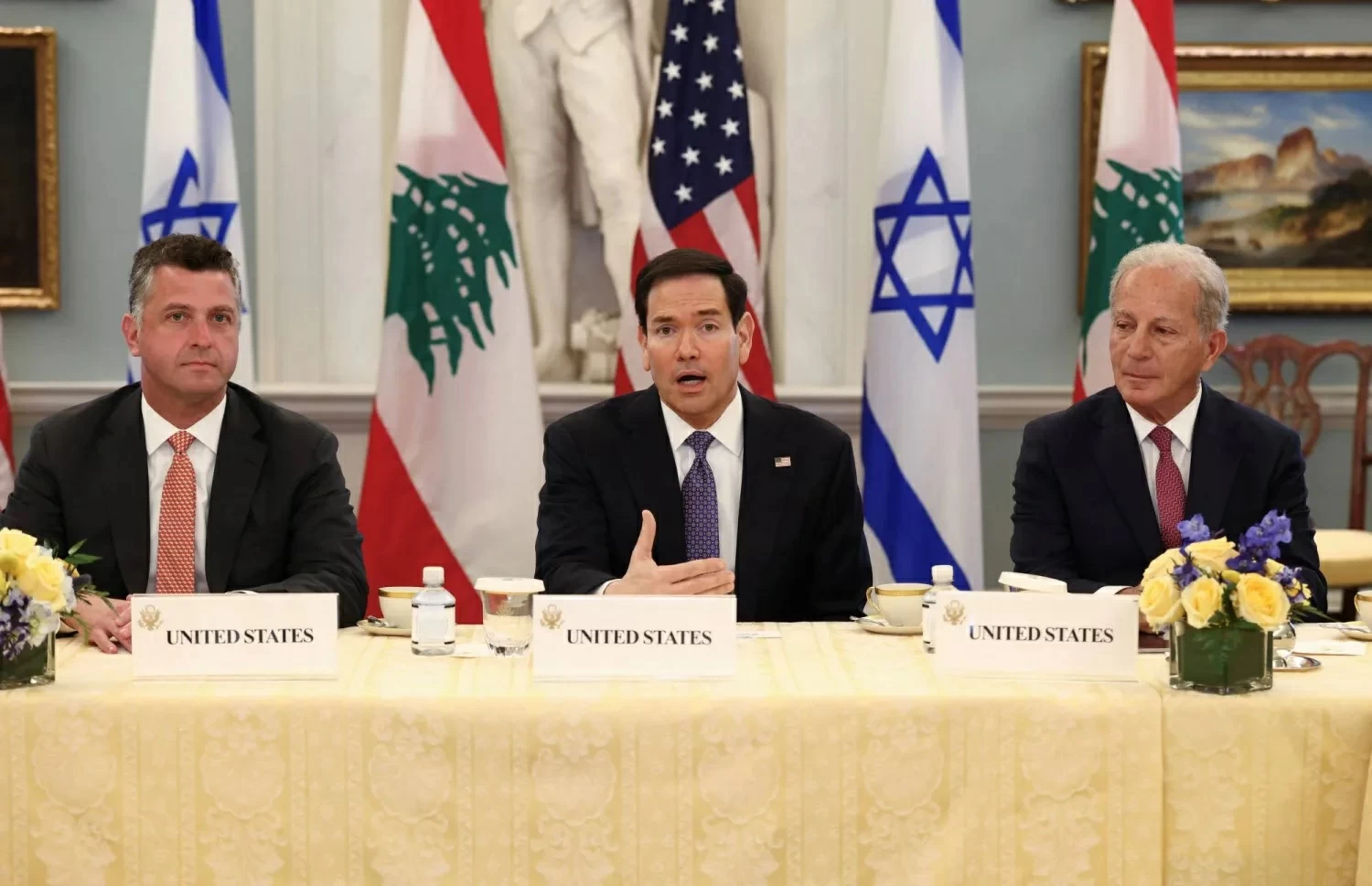
تتجه الأنظار، اليوم (الجمعة)، إلى الاجتماع العسكري الافتراضي الذي سيجمع وفدين من لبنان وإسرائيل برعاية مباشرة من القيادة المركزية الأمريكية (CENTCOM)، في أول استحقاق تنفيذي منذ اختتام الجولة السادسة من المفاوضات التي استضافتها العاصمة الإيطالية روما.
حسم الصيغة النهائية للمنطقتين التجريبيتين
ولا يقتصر الاجتماع على بحث ترتيبات عسكرية، بل يُنتظر أن يحسم الصيغة النهائية للمنطقتين التجريبيتين اللتين جرى الاتفاق على مبدأ إنشائهما في واشنطن ورُسمت معالمهما الأولية في روما، تمهيداً للانتقال إلى التنفيذ الميداني خلال الأيام القادمة.
ويبحث الوفدان وفقاً للمعطيات، آلية الانسحاب الإسرائيلي وانتشار الجيش اللبناني، وآليات التنسيق والمراقبة، إلى جانب التفاصيل التقنية الخاصة بالمرحلة الأولى من التنفيذ. ويشكل الاجتماع محطة أساسية لتحديد حدود المنطقتين التجريبيتين وآلية العمل داخلهما، بعد العدول عن عقد لقاء مباشر في الناقورة إثر تمسك الجيش اللبناني برفض الاجتماع في منطقة لا تزال تحت الاحتلال الإسرائيلي، ليُستعاض عنه باجتماع عبر تقنية الاتصال المرئي.
من التفاهمات إلى الاختبار الميداني
وبحسب المعطيات أيضاً، تشمل المرحلة التجريبية منطقتين تضمان سبع بلدات جنوبية: ففي شمال نهر الليطاني تقع بلدتا الزوطر الشرقية والزوطر الغربية، فيما تمتد المنطقة الثانية جنوب الليطاني لتضم بلدات فرون، والغندورية، وقلاوية، برج قلاوية، وصريفا. ويعكس اختيار هذه البلدات بالذات سعياً لاختبار نموذج أمني في مناطق تختلف ظروفها الميدانية بين بلدات تقع على تماس مباشر مع الاحتلال الإسرائيلي، وأخرى انتشر فيها الجيش اللبناني وقوات اليونيفيل خلال مراحل سابقة.
وتتمثل الأهمية القصوى لاجتماع اليوم في الانتقال الفعلي من مرحلة التفاهمات السياسية إلى الاختبار الميداني. فنجاح التجربة يعني أن التفاهمات أصبحت مساراً تنفيذياً قد يتوسع لاحقاً إلى مناطق أخرى، بينما قد يؤدي أي تعثر إلى زيادة تعقيد الحسابات. وهنا يطرح السؤال الأكثر حساسية المرتبط بكيفية تنفيذ البنود الأمنية وسحب السلاح في قرى تداخلت فيها البنية الاجتماعية والعسكرية لحزب الله لسنوات طويلة دون الصدام مع بيئته.
مسار التفاهمات الأمريكية - الإيرانية
وفي قلب هذا المشهد، يشكل موقف حزب الله عنصر الغموض الأبرز، إذ يواجه الحزب واقعاً مختلفاً بعد تعثر الرهانات الإقليمية التي كان يعوّل عليها، وفي مقدمتها مسار التفاهمات الأمريكية - الإيرانية. وعدم إعلان الحزب لموقف تفصيلي حتى الآن، يترك الباب مفتوحاً أمام احتمالات متعددة، تتراوح بين منح الدولة هامشاً لتنفيذ التزاماتها لترتيب الأوراق أو تسجيل اعتراضات ميدانية إذا شعر أن الإجراءات المقترحة تمس توازناته الأمنية.
فيما تسابق واشنطن الوقت لتحقيق تقدم ملموس في هذا الملف خلال الأيام القادمة، انطلاقاً من رغبتها في تحويل تفاهمات روما إلى خطوة عملية تعزز موقع لبنان التفاوضي وتمنح زخماً للمسار قبل زيارة الرئيس جوزيف عون المرتقبة إلى الولايات المتحدة مطلع الأسبوع القادم. لكن نجاح هذه المقاربة سيبقى مرهوناً بقدرة الأطراف المعنية على ترجمة التعهدات المكتوبة إلى واقع صلب على أرض الواقع. فهل ستكون هذه المناطق التجريبية مدخلاً حقيقياً لتثبيت الاستقرار، أم فتيل المواجهة؟
Today (Friday), attention is focused on the virtual military meeting that will bring together delegations from Lebanon and Israel under the direct auspices of the U.S. Central Command (CENTCOM), marking the first executive milestone since the conclusion of the sixth round of negotiations hosted by the Italian capital, Rome.
Finalizing the format for the two experimental areas
The meeting is not limited to discussing military arrangements; it is expected to finalize the format for the two experimental areas that were agreed upon in principle in Washington and whose initial outlines were drawn in Rome, paving the way for field implementation in the coming days.
The delegations will discuss, according to the data, the mechanism for the Israeli withdrawal and the deployment of the Lebanese army, as well as coordination and monitoring mechanisms, alongside the technical details specific to the first phase of implementation. The meeting represents a crucial station for defining the boundaries of the two experimental areas and the working mechanisms within them, after the decision to cancel a direct meeting in Naqoura due to the Lebanese army's insistence on rejecting a meeting in an area still under Israeli occupation, which was replaced by a meeting via video conferencing.
From understandings to field testing
According to the data as well, the experimental phase includes two areas comprising seven southern towns: to the north of the Litani River are the towns of Al-Zoutr Al-Sharqiya and Al-Zoutr Al-Gharbiya, while the second area extends south of the Litani to include the towns of Frun, Al-Ghandouriya, Qalaouiya, Barj Qalaouiya, and Sarifa. The selection of these specific towns reflects an effort to test a security model in areas with varying field conditions between towns that are in direct contact with the Israeli occupation and others where the Lebanese army and UNIFIL forces have been deployed in previous stages.
The utmost importance of today's meeting lies in the actual transition from the phase of political understandings to field testing. The success of the experiment means that the understandings have become an executable path that may later expand to other areas, while any setbacks could complicate calculations further. Here, the most sensitive question arises regarding how to implement the security provisions and withdraw weapons in villages where the social and military structure of Hezbollah has intertwined for many years without clashing with its environment.
The path of American-Iranian understandings
At the heart of this scene, Hezbollah's position remains the most significant element of uncertainty, as the party faces a different reality after the regional bets it relied upon faltered, foremost among them the path of American-Iranian understandings. The party's failure to announce a detailed position so far leaves the door open to multiple possibilities, ranging from granting the state a margin to fulfill its commitments to rearranging the papers or registering field objections if it feels that the proposed measures affect its security balances.
As Washington races against time to achieve tangible progress on this file in the coming days, driven by its desire to turn the understandings from Rome into a practical step that enhances Lebanon's negotiating position and gives momentum to the process ahead of President Joseph Aoun's anticipated visit to the United States early next week. However, the success of this approach will remain contingent on the ability of the concerned parties to translate the written commitments into solid reality on the ground. Will these experimental areas serve as a genuine entry point for stabilizing security, or will they ignite confrontation?