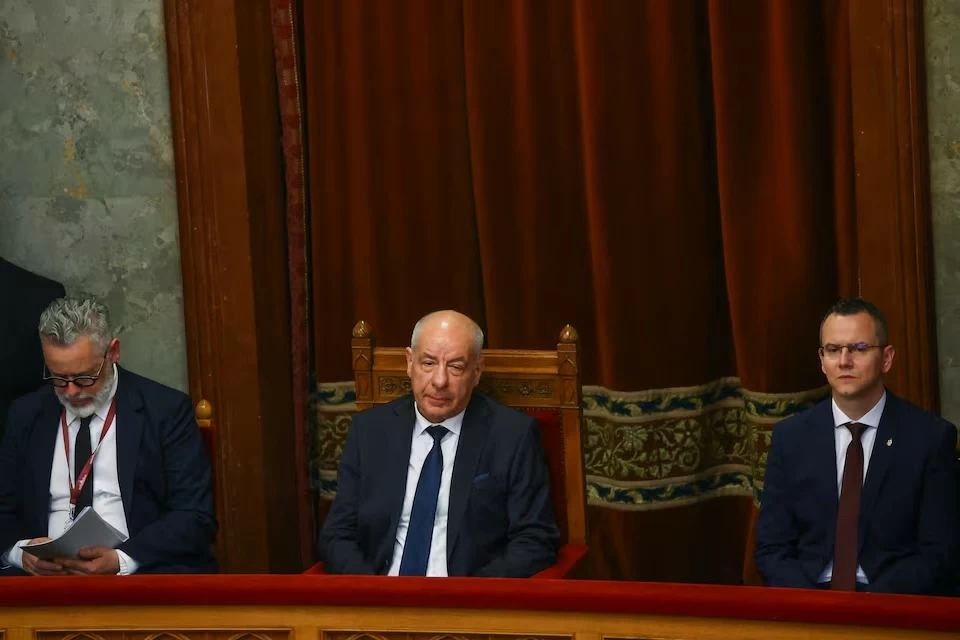
يستعد البرلمان المجري، اليوم (الإثنين)، للتصويت على تعديل دستوري يتيح إنهاء ولاية الرئيس تاماش شيوك، في خطوة تقودها حكومة رئيس الوزراء بيتر ماغيار ضمن سلسلة من الإصلاحات الهادفة إلى إعادة تشكيل مؤسسات الدولة بعد الإطاحة بحكم رئيس الوزراء السابق فيكتور أوروبان.
ويأتي التعديل بعد أشهر من فوز حزب «تيسا» بقيادة ماغيار بأغلبية ساحقة في الانتخابات التشريعية التي جرت في أبريل الماضي، ما منح الحكومة أغلبية دستورية تمكنها من تعديل الدستور وإلغاء عدد من التشريعات التي أقرتها الحكومات السابقة، والتي تقول إنها أضعفت المؤسسات الديمقراطية في البلاد.
ورغم أن منصب رئيس الجمهورية في المجر يتمتع بصلاحيات محدودة، تقتصر على توقيع القوانين أو إحالتها إلى المحكمة الدستورية للمراجعة، فإنه يُعد رمزًا مهمًا للدولة، وهو ما يمنح خطوة عزله أبعادًا سياسية كبيرة.
وكان ماغيار قد وصف الرئيس شيوك بأنه «أداة» بيد رئيس الوزراء السابق فيكتور أوروبان، مؤكدًا أن الحكومة حصلت على تفويض شعبي لإزالة مراكز النفوذ التي خلفها النظام السابق.
وأوضح رئيس الوزراء، في منشور عبر حسابه على «فيسبوك»، أن البرلمان سيصادق على التعديل الدستوري، مشيرًا إلى أنه في حال امتنع شيوك عن توقيع القانون خلال خمسة أيام من إقراره، فستبدأ إجراءات مساءلته تمهيدًا لعزله.
من جانبه، رفض الرئيس شيوك الاتهامات الموجهة إليه، مؤكدًا أنه لا يتبنى أي أجندة سياسية، كما طالب بإحالة التعديل إلى لجنة البندقية التابعة لمجلس أوروبا، المختصة بتقديم المشورة بشأن مدى توافق التعديلات الدستورية مع المعايير الديمقراطية، إلا أن اللجنة امتنعت عن التعليق.
وشهدت العاصمة بودابست، الأسبوع الماضي، تظاهرة نظمها حزب «فيدس» بزعامة فيكتور أوروبان دعمًا للرئيس شيوك، فيما لم يشارك أوروبان شخصيًا في الاحتجاج.
ويتضمن مشروع القانون أيضًا تحديد مدة عضوية أعضاء البرلمان بـ12 عامًا، ويؤكد أن الهدف من التعديلات هو «تهيئة الظروف اللازمة لاستعادة الديمقراطية الدستورية».
وفي حال إقرار التعديل، تنتهي ولاية الرئيس شيوك فورًا بدعوى فقدانه ثقة المجتمع، على أن ينتخب البرلمان رئيسًا جديدًا يتولى المنصب حتى دخول دستور جديد حيز التنفيذ، أو لمدة لا تتجاوز خمس سنوات.
The Hungarian parliament is preparing, today (Monday), to vote on a constitutional amendment that allows for the termination of President Tamás Schiók's term, in a move led by Prime Minister Péter Magyár's government as part of a series of reforms aimed at reshaping state institutions following the ousting of former Prime Minister Viktor Orbán's rule.
The amendment comes after months of the "Tisza" party, led by Magyár, winning a landslide majority in the legislative elections held last April, which granted the government a constitutional majority enabling it to amend the constitution and repeal several legislations enacted by previous governments, which it claims have weakened democratic institutions in the country.
Although the position of the President of Hungary has limited powers, restricted to signing laws or referring them to the Constitutional Court for review, it is considered an important symbol of the state, which gives the move to dismiss him significant political implications.
Magyár had described President Schiók as a "tool" in the hands of former Prime Minister Viktor Orbán, asserting that the government received a popular mandate to remove the centers of influence left by the previous regime.
The Prime Minister clarified, in a post on his Facebook account, that the parliament will ratify the constitutional amendment, noting that if Schiók refrains from signing the law within five days of its approval, procedures for his impeachment will begin in preparation for his dismissal.
For his part, President Schiók rejected the accusations against him, asserting that he does not adopt any political agenda, and he called for the amendment to be referred to the Venice Commission of the Council of Europe, which is responsible for advising on the compatibility of constitutional amendments with democratic standards, but the commission refrained from commenting.
Last week, the capital Budapest witnessed a demonstration organized by the "Fidesz" party led by Viktor Orbán in support of President Schiók, although Orbán did not personally participate in the protest.
The draft law also includes a stipulation limiting the membership duration of parliament members to 12 years, emphasizing that the aim of the amendments is to "create the necessary conditions for the restoration of constitutional democracy."
If the amendment is approved, President Schiók's term will end immediately on the grounds of losing the trust of society, with the parliament to elect a new president who will hold the position until a new constitution comes into effect, or for a period not exceeding five years.