شهدت العلاقات بين الاتحاد الأوروبي وروسيا تصعيدًا جديدًا، بعدما انضمت ألمانيا إلى فرنسا في استدعاء السفير الروسي على خلفية اتهامات لموسكو بتنفيذ هجمات إلكترونية وعمليات هجينة استهدفت عددًا من الدول الأوروبية وأوكرانيا، في وقت يواصل فيه الاتحاد الأوروبي بحث حزمة جديدة من العقوبات ضد روسيا.
وأعلنت وزارة الخارجية الألمانية أن الهجمات الإلكترونية المنسوبة إلى روسيا «غير مقبولة»، مؤكدة أنها ستواجه بإجراءات حاسمة، وذلك بعد ساعات من إعلان فرنسا استدعاء السفير الروسي في باريس وفرض عقوبات على 9 أشخاص و4 كيانات روسية، متهمة جهاز الأمن الفيدرالي الروسي (FSB) بالوقوف وراء حملة تجسس وتخريب إلكتروني استهدفت ما لا يقل عن 10 دول أوروبية.
وفي السياق نفسه، أقر الاتحاد الأوروبي عقوبات جديدة طالت 9 أفراد و4 جهات مرتبطة بما وصفه بـ«منظومة روسيا الخبيثة للهجمات السيبرانية»، مشيرًا إلى أن هذه الأنشطة استهدفت مؤسسات حكومية وبنى تحتية حيوية في فرنسا وألمانيا وبولندا وقبرص وهولندا والنمسا وسلوفاكيا ورومانيا وفنلندا.
كما أعلنت المملكة المتحدة فرض عقوبات على 24 شخصًا وكيانًا قالت إنهم يقفون وراء عمليات إلكترونية وهجينة نفذتها أجهزة الاستخبارات الروسية، متهمة موسكو بمحاولة استهداف شبكة الكهرباء البولندية العام الماضي، في هجوم قالت لندن إنه كان قد يؤدي إلى انقطاع التيار الكهربائي عن نحو نصف مليون شخص.
وفي بروكسل، يواصل وزراء خارجية الاتحاد الأوروبي مناقشة الحزمة الحادية والعشرين من العقوبات ضد روسيا، فيما أكدت مسؤولة السياسة الخارجية في الاتحاد الأوروبي كايا كالاس أن الوزراء يأملون في اعتماد نحو 250 إدراجًا جديدًا على قوائم العقوبات، إضافة إلى الحزمة الجديدة، ردًا على الهجمات الروسية الأخيرة ضد المدنيين في أوكرانيا.
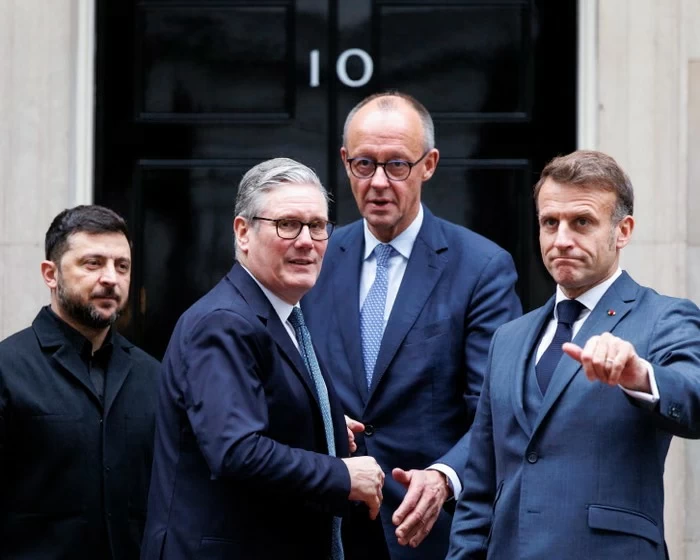
وبالتزامن مع ذلك، تستضيف العاصمة الفرنسية باريس، اليوم (الاثنين)، قمة «تحالف الراغبين» لدعم أوكرانيا، بمشاركة أكثر من 20 قائدًا أوروبيًا، يتقدمهم الرئيس الفرنسي إيمانويل ماكرون، والمستشار الألماني فريدريش ميرتس، ورئيس الوزراء البريطاني كير ستارمر، إلى جانب الرئيس الأوكراني فولوديمير زيلينسكي.
ومن المنتظر أن تركز القمة على تعزيز التعاون في مجالات الدفاع الجوي والصاروخي، وتوسيع برامج إنتاج الأسلحة داخل أوكرانيا، في إطار الجهود الأوروبية لزيادة الدعم العسكري لكييف.
في المقابل، انتقد الكرملين الاجتماع المرتقب، واصفًا «تحالف الراغبين» بأنه «تحالف دعاة الحرب»، مؤكدًا أنه سيراقب نتائج القمة عن كثب، ومعتبرًا أن الدول المشاركة تسهم في إطالة أمد الحرب في أوكرانيا.
وعلى الأرض، أعلنت أوكرانيا تنفيذ سلسلة هجمات بطائرات مسيّرة استهدفت ناقلات نفط وعبّارات ومنشآت للطاقة داخل الأراضي الروسية وفي شبه جزيرة القرم، ما دفع موسكو إلى تعليق حركة الملاحة في بحر آزوف، وفق مسؤولين أوكرانيين، في تطور يعكس تصاعد المواجهة بين الجانبين بالتوازي مع احتدام الضغوط الدبلوماسية والعقوبات الغربية على روسيا.
The relations between the European Union and Russia have witnessed a new escalation, as Germany joined France in summoning the Russian ambassador following accusations against Moscow of carrying out cyberattacks and hybrid operations targeting several European countries and Ukraine, while the European Union continues to discuss a new package of sanctions against Russia.
The German Foreign Ministry announced that the cyberattacks attributed to Russia are "unacceptable," emphasizing that they will be met with decisive measures. This came just hours after France announced the summoning of the Russian ambassador in Paris and imposed sanctions on 9 individuals and 4 Russian entities, accusing the Russian Federal Security Service (FSB) of being behind a campaign of espionage and cyber sabotage targeting at least 10 European countries.
In the same context, the European Union approved new sanctions affecting 9 individuals and 4 entities linked to what it described as "Russia's malicious system of cyberattacks," indicating that these activities targeted government institutions and critical infrastructure in France, Germany, Poland, Cyprus, the Netherlands, Austria, Slovakia, Romania, and Finland.
The United Kingdom also announced sanctions against 24 individuals and entities it said were behind electronic and hybrid operations carried out by Russian intelligence agencies, accusing Moscow of attempting to target the Polish electricity grid last year, in an attack that London said could have led to power outages for nearly half a million people.
In Brussels, EU foreign ministers continue to discuss the twenty-first package of sanctions against Russia, while EU foreign policy chief Kaja Kallas confirmed that the ministers hope to adopt around 250 new listings on the sanctions lists, in addition to the new package, in response to recent Russian attacks against civilians in Ukraine.
Simultaneously, the French capital, Paris, is hosting today (Monday) the "Alliance of the Willing" summit to support Ukraine, with the participation of more than 20 European leaders, led by French President Emmanuel Macron, German Chancellor Friedrich Merz, British Prime Minister Keir Starmer, alongside Ukrainian President Volodymyr Zelensky.
The summit is expected to focus on enhancing cooperation in air and missile defense, and expanding weapons production programs within Ukraine, as part of European efforts to increase military support for Kyiv.
In contrast, the Kremlin criticized the upcoming meeting, describing the "Alliance of the Willing" as a "coalition of warmongers," asserting that it will closely monitor the outcomes of the summit, considering that the participating countries contribute to prolonging the war in Ukraine.
On the ground, Ukraine announced the execution of a series of drone attacks targeting oil tankers, ferries, and energy facilities within Russian territory and in Crimea, prompting Moscow to suspend navigation in the Sea of Azov, according to Ukrainian officials, in a development that reflects the escalating confrontation between the two sides alongside intensifying diplomatic pressures and Western sanctions on Russia.