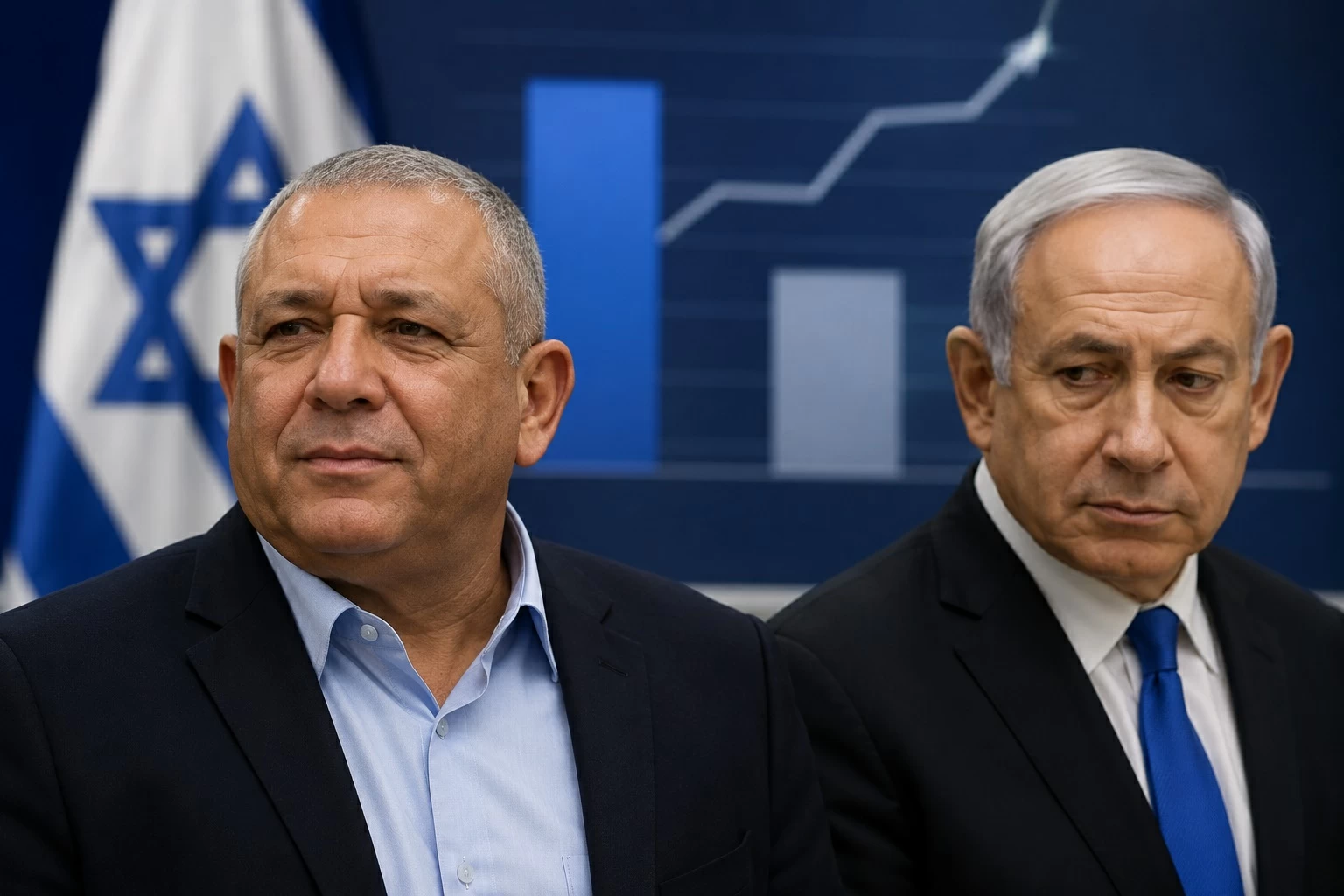
وسط سباق انتخابي متقارب بين حزب «الليكود» بزعامة رئيس الوزراء بنيامين نتنياهو وأحزاب المعارضة التي يتصدرها حزب «ياشار» بقيادة جادي آيزنكوت، أعلن رئيس اللجنة البرلمانية المسؤولة عن تنظيم عمل الكنيست أوفير كاتس، اليوم (الأحد)، موعد الانتخابات الإسرائيلية.
وأكد كاتس أنها ستُجرى في موعدها في 27 من أكتوبر القادم، بعد تأكيد استمرار البرلمان الحالي حتى نهاية ولايته دون حله مبكراً.
وقالت المستشارة القانونية للكنيست ساجيت أفيك، خلال الجلسة، إن الكنيست الحالي سيكمل ولايته الكاملة ولن يُحل، موضحةً أن إجراء الانتخابات في موعدها لا يتطلب إقرار مشروع قانون لحله.
وذكرت صحيفة «تايمز أوف إسرائيل» أن الكنيست الحالي سيستكمل ولايته الكاملة، على أن تواصل الحكومة تصريف مهماتها حتى تشكيل حكومة جديدة عقب انتخابات أكتوبر، موضحة أن الانتخابات المرتقبة ستكون الأولى التي تُجرى في موعدها المحدد في إسرائيل منذ نحو 40 عاماً، كما ستكون هذه المرة الأولى منذ أكثر من 50 عاماً التي تكمل فيها حكومة إسرائيلية ولاية كاملة.
ويسعى رئيس الحكومة الإسرائيلية وزعيم حزب «الليكود» بنيامين نتنياهو، لخوض الانتخابات التشريعية مجدداً هذا العام من خلال قيادة معسكر الائتلاف الحاكم، الذي يضم حزب «شاس» الديني لليهود الشرقيين، وحزب «يهدوت هتوراه» الممثل لليهود الحريديم، إلى جانب حزب «القوة اليهودية» بزعامة وزير الأمن الداخلي المتشدد إيتمار بن غفير، وحزب «الصهيونية الدينية» المتشدد بزعامة وزير المالية بتسلئيل سموتريتش.
في حين تخوض المعارضة المنافسة بقيادة حزب «ياشار» بزعامة رئيس الأركان الإسرائيلي السابق جادي آيزنكوت بوصفه أحد أبرز المنافسين لـ«الليكود»، بعدما أظهرت استطلاعات حديثة تقدمه على بقية أحزاب المعارضة واقترابه من حزب نتنياهو.
ويخوض المنافسة أيضاً تحالف «معاً»، الذي شكله رئيسا الوزراء السابقان نفتالي بينيت ويائير لبيد بدمج حزبي «بينيت 2026» و«هناك مستقبل» في قائمة مشتركة يقودها بينيت. ويسعى التحالف، الذي يجمع بين جناحين يميني ووسطي، إلى توحيد جزء من المعارضة وتقديم بديل لنتنياهو.
وتضم قوى المعارضة كذلك حزب «إسرائيل بيتنا» اليميني بزعامة أفيجدور ليبرمان، وحزب «الديمقراطيين» اليساري بزعامة يائير جولان، فضلاً عن الأحزاب العربية، وفي مقدمتها «القائمة العربية الموحدة» و«الجبهة والعربية للتغيير».
ولا يُنتخب رئيس الوزراء في إسرائيل مباشرة، بل تتوقف فرص أي مرشح في تشكيل الحكومة على قدرته على بناء ائتلاف يحظى بدعم 61 نائباً على الأقل من أصل 120 في الكنيست، ما يمنح مفاوضات التحالفات التي تعقب الاقتراع أهمية حاسمة.
وأظهر أحدث استطلاع للقناة 13 الإسرائيلية، نُشر في 8 يوليو، تقدم حزب «ياشار» بزعامة آيزنكوت للمرة الأولى على «الليكود»، بواقع 23 مقعداً مقابل 22، فيما حل تحالف «معاً» بقيادة بينيت لبيد ثالثاً بـ15 مقعداً.
وحول تأييد الناخبين للمرشح الأنسب لرئاسة الحكومة، حصل تقدم آيزنكوت على نتنياهو بحصوله على 46% مقابل 36%، فيما لم يحسم 18% موقفهم.
In a closely contested electoral race between the Likud party led by Prime Minister Benjamin Netanyahu and the opposition parties headed by the Yashar party led by Gadi Eisenkot, the head of the parliamentary committee responsible for organizing the work of the Knesset, Ofir Katz, announced today (Sunday) the date of the Israeli elections.
Katz confirmed that they will take place as scheduled on October 27, following confirmation that the current parliament will continue until the end of its term without being dissolved early.
The legal advisor to the Knesset, Sagit Avik, stated during the session that the current Knesset will complete its full term and will not be dissolved, clarifying that holding the elections on time does not require the approval of a bill for its dissolution.
The "Times of Israel" reported that the current Knesset will complete its full term, with the government continuing to carry out its duties until a new government is formed after the October elections, noting that the upcoming elections will be the first to be held on schedule in Israel in nearly 40 years, and it will also be the first time in more than 50 years that an Israeli government completes a full term.
Israeli Prime Minister and Likud leader Benjamin Netanyahu is seeking to run in the legislative elections again this year by leading the ruling coalition, which includes the Shas party representing Eastern Orthodox Jews, the United Torah Judaism party representing Haredi Jews, alongside the Jewish Power party led by the hardline Minister of Internal Security Itamar Ben Gvir, and the Religious Zionism party led by Finance Minister Bezalel Smotrich.
Meanwhile, the opposition is competing under the leadership of the Yashar party led by former Israeli Chief of Staff Gadi Eisenkot, who is considered one of the main competitors to the Likud, after recent polls showed him leading the other opposition parties and nearing Netanyahu's party.
The "Together" coalition, formed by former Prime Ministers Naftali Bennett and Yair Lapid by merging the "Bennett 2026" and "There is a Future" parties into a joint list led by Bennett, is also in the competition. The coalition, which combines right-wing and centrist factions, aims to unify part of the opposition and provide an alternative to Netanyahu.
The opposition forces also include the right-wing Yisrael Beiteinu party led by Avigdor Lieberman, the left-wing Democrats party led by Yair Golan, as well as Arab parties, primarily the United Arab List and the Joint List for Change.
The Prime Minister in Israel is not elected directly; rather, the chances of any candidate forming a government depend on their ability to build a coalition that has the support of at least 61 out of 120 members in the Knesset, which gives the post-election coalition negotiations critical importance.
The latest poll from Channel 13 in Israel, published on July 8, showed the Yashar party led by Eisenkot for the first time ahead of the Likud, with 23 seats compared to 22, while the "Together" coalition led by Bennett and Lapid came in third with 15 seats.
Regarding voter support for the most suitable candidate for the premiership, Eisenkot led Netanyahu with 46% to 36%, while 18% remained undecided.