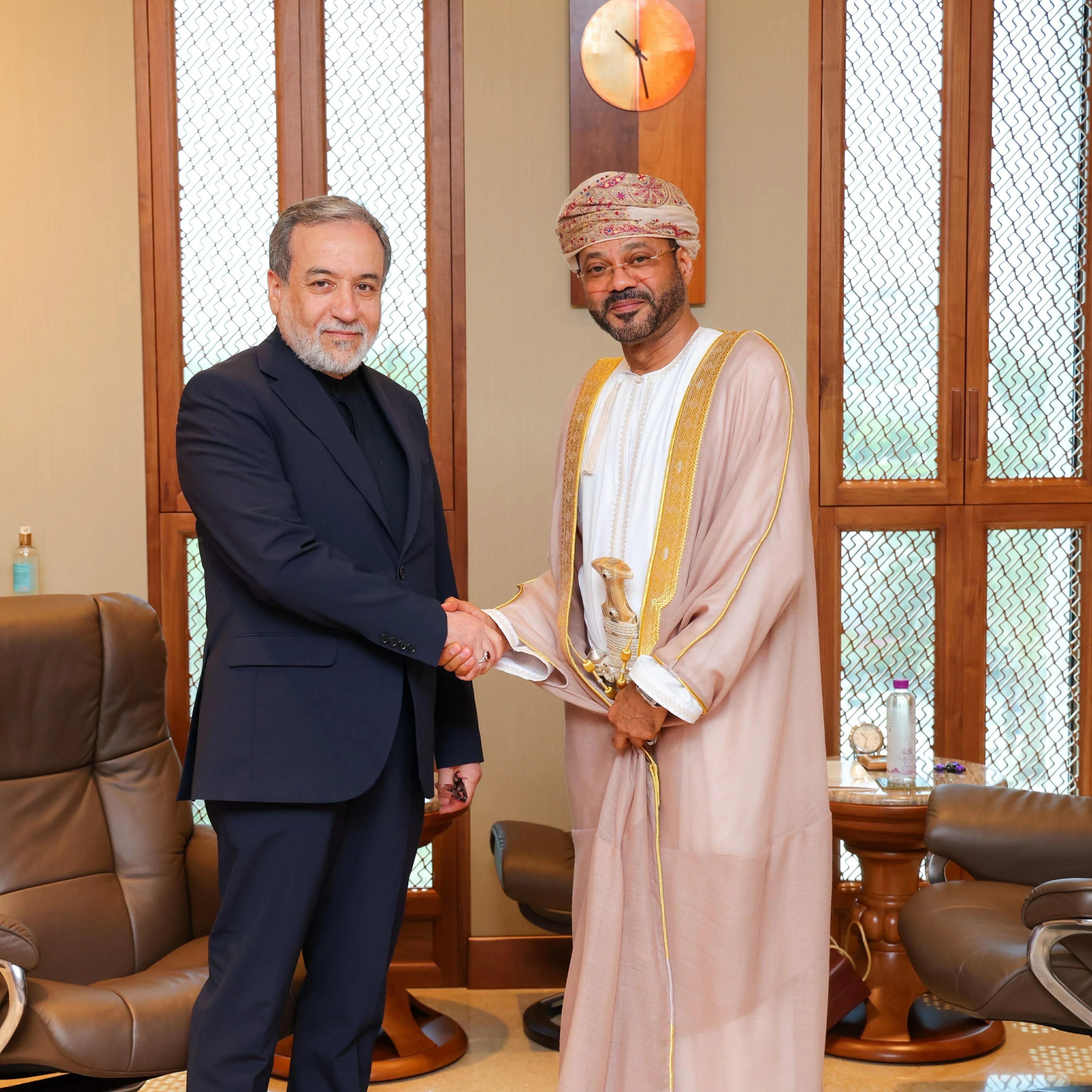
عقدت عمان وإيران في مسقط اليوم (السبت) محادثات بشأن الملاحة في مضيق هرمز، بهدف ضمان سلامتها وحريتها في ضوء المعطيات والتداعيات الناجمة عن المستجدات الأخيرة، بحسب وكالة الأنباء العمانية.
وذكرت الوكالة أن وزير الخارجية العماني بدر البوسعيدي ونظيره الإيراني عباس عراقجي في مسقط اتفقا على مواصلة المحادثات على المستويين الفني والسياسي للتوصل إلى التوافقات المطلوبة وفقاً للقانون الدولي.
في المقابل، قالت وزارة الخارجية الإيرانية إن الوزير عباس عراقجي بحث مع نظيره العماني بدر البوسعيدي في مسقط الآليات المناسبة للعبور الآمن للسفن عبر مضيق هرمز، وفقاً للمادة الخامسة من مذكرة التفاهم.
وأوضح البوسعيدي موقف بلاده المبدئي الداعي إلى استخدام الدبلوماسية لمنع تصاعد التوتر في المنطقة، معرباً عن أمله في أن يسهم التنفيذ الكامل لمذكرة تفاهم إسلام آباد بين إيران والولايات المتحدة في تحسين الوضع الأمني في المنطقة.
في الوقت ذاته، نقلت شبكة «سي إن إن» الأمريكية عن مصدر مطلع قوله إن سلطنة عمان أعدت مقترحاً لتنظيم حركة الملاحة في مضيق هرمز عبر مسارين يخضع كل منهما لإدارة منفصلة، وذلك في إطار الجهود الرامية إلى ضمان العبور الآمن للسفن عبر الممر المائي.
وأوضح المصدر أن المقترح، الذي لم يُعتمد بصيغته النهائية بعد، ينص على إبقاء المسارين مفتوحين أمام حركة الملاحة، مبيناً أنه وبموجب المقترح، يتيح المسار الجنوبي، الواقع داخل المياه الإقليمية العمانية، حرية الملاحة وفق الترتيبات التي كانت سارية قبل الحرب، أما السفن العابرة عبر «المسار الشمالي»، الواقع داخل المياه الإقليمية الإيرانية، فسيُشترط حصولها على موافقة مسبقة من إيران، دون فرض أي رسوم عليها.
من جهتها، نقلت شبكة «سي بي إس» عن مسؤول أمريكي قوله إن نائب الرئيس الأمريكي جي دي فانس لن يتوجه إلى سلطنة عمان، وروبيو وويتكوف وكوشنر لن يشاركوا في المحادثات هناك، مضيفاً: «سنواصل إجراء محادثات عن بعد مع الوسطاء في سلطنة عمان وقطر».
Oman and Iran held talks in Muscat today (Saturday) regarding navigation in the Strait of Hormuz, aiming to ensure its safety and freedom in light of the data and repercussions resulting from recent developments, according to the Omani news agency.
The agency reported that Omani Foreign Minister Badr al-Busaidi and his Iranian counterpart Abbas Araghchi agreed in Muscat to continue discussions at both the technical and political levels to reach the necessary agreements in accordance with international law.
In turn, the Iranian Foreign Ministry stated that Minister Abbas Araghchi discussed with his Omani counterpart Badr al-Busaidi in Muscat the appropriate mechanisms for the safe passage of ships through the Strait of Hormuz, in accordance with Article 5 of the memorandum of understanding.
Al-Busaidi clarified his country's principled position calling for the use of diplomacy to prevent escalating tensions in the region, expressing hope that the full implementation of the Islamabad memorandum between Iran and the United States would contribute to improving the security situation in the region.
At the same time, the American network "CNN" quoted an informed source as saying that the Sultanate of Oman has prepared a proposal to organize navigation in the Strait of Hormuz through two separate managed channels, as part of efforts to ensure the safe passage of ships through the waterway.
The source explained that the proposal, which has not yet been adopted in its final form, stipulates keeping both channels open for navigation, indicating that under the proposal, the southern channel, located within Omani territorial waters, allows for freedom of navigation according to the arrangements that were in place before the war, while ships passing through the "northern channel," located within Iranian territorial waters, will be required to obtain prior approval from Iran, without imposing any fees on them.
For its part, the "CBS" network quoted an American official as saying that U.S. Vice President J.D. Vance will not travel to the Sultanate of Oman, and Rubio, Witkoff, and Kushner will not participate in the talks there, adding: "We will continue to conduct remote talks with intermediaries in the Sultanate of Oman and Qatar."