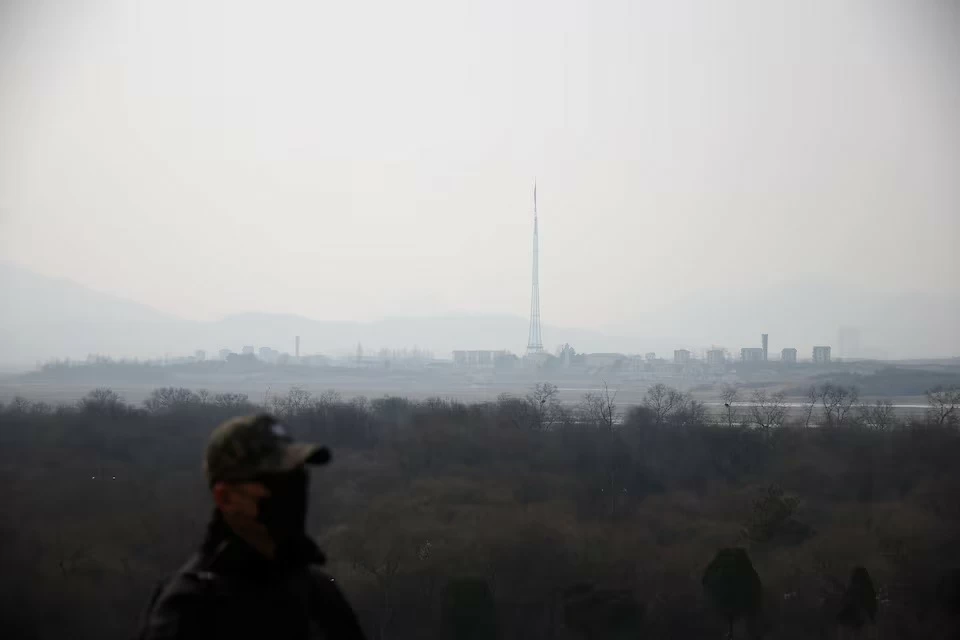
أعلنت السلطات في كوريا الجنوبية احتجاز جندي من كوريا الشمالية بعد عبوره الحدود شديدة التحصين بين البلدين، في واقعة تُرجّح التقديرات الأولية أنها محاولة انشقاق جديدة من الدولة المعزولة.
ونقلت وكالة الأنباء الكورية الجنوبية عن هيئة الأركان المشتركة في سول أن الجيش تمكن من تأمين الجندي الكوري الشمالي، مساء الثلاثاء، في المنطقة الوسطى من خط الجبهة، فيما بدأت الجهات المختصة تحقيقات لتحديد ملابسات العبور وظروف الواقعة.
وتُعد حالات العبور المباشر عبر الحدود البرية بين الكوريتين نادرة للغاية، نظرًا للطبيعة الأمنية المعقدة للمنطقة الفاصلة، التي تضم غابات كثيفة وحقول ألغام، إلى جانب الانتشار العسكري المكثف من الجانبين.
وعلى مدار العقود الماضية، فرّ عشرات الآلاف من الكوريين الشماليين إلى الجنوب منذ انقسام شبه الجزيرة الكورية بعد الحرب الكورية في خمسينيات القرن الماضي.
وفي أغلب الحالات، لا يتم الهروب عبر الحدود المباشرة، بل يسلك الفارّون طريقًا أطول يبدأ بالعبور إلى الصين، ثم الانتقال إلى دولة ثالثة مثل تايلند قبل الوصول إلى كوريا الجنوبية.
ووفق بيانات وزارة الوحدة الكورية الجنوبية، تجاوز عدد المنشقين الذين تمكنوا من الوصول إلى الجنوب 34 ألف شخص حتى الآن.
كما أظهرت البيانات أن 236 كوريًا شماليًا وصلوا إلى كوريا الجنوبية خلال عام 2024، وكانت النساء يشكلن 88% من إجمالي الوافدين.
وتتعامل السلطات في سول عادة مع المنشقين عبر إخضاعهم لإجراءات فحص واستجواب أمني قبل إدماجهم داخل المجتمع.
في المقابل، تواصل بيونغ يانغ اتخاذ موقف متشدد تجاه الفارين، إذ تصف المواطنين الذين يغادرون البلاد بعبارات هجومية وتعتبرهم خارجين على الدولة.
The authorities in South Korea announced the detention of a North Korean soldier after he crossed the heavily fortified border between the two countries, in an incident that initial estimates suggest may be a new defection attempt from the isolated state.
The South Korean news agency reported that the Joint Chiefs of Staff in Seoul confirmed that the military managed to secure the North Korean soldier on Tuesday evening in the central area of the front line, while the relevant authorities began investigations to determine the circumstances of the crossing and the details of the incident.
Direct crossings over the land border between the two Koreas are extremely rare, due to the complex security nature of the demilitarized zone, which includes dense forests and minefields, along with the heavy military presence from both sides.
Over the past decades, tens of thousands of North Koreans have fled to the south since the division of the Korean Peninsula following the Korean War in the 1950s.
In most cases, escape does not occur via direct border crossings; instead, defectors take a longer route that begins with crossing into China, then moving to a third country like Thailand before reaching South Korea.
According to data from the South Korean Ministry of Unification, the number of defectors who have managed to reach the south has exceeded 34,000 so far.
The data also showed that 236 North Koreans arrived in South Korea during the year 2024, with women making up 88% of the total arrivals.
The authorities in Seoul typically handle defectors by subjecting them to security screening and interrogation procedures before integrating them into society.
In contrast, Pyongyang continues to take a hardline stance towards defectors, describing citizens who leave the country in derogatory terms and considering them outlaws against the state.