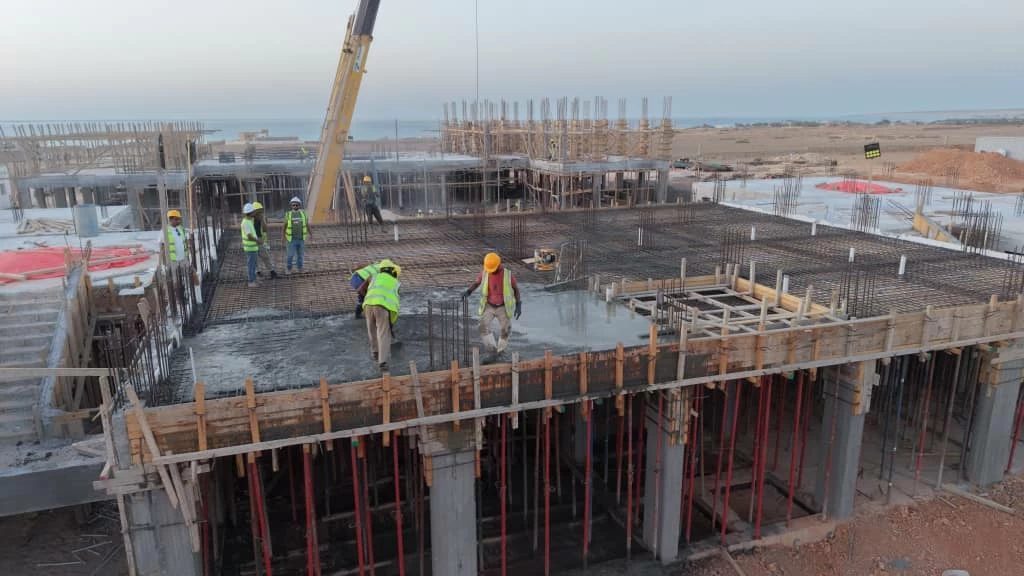
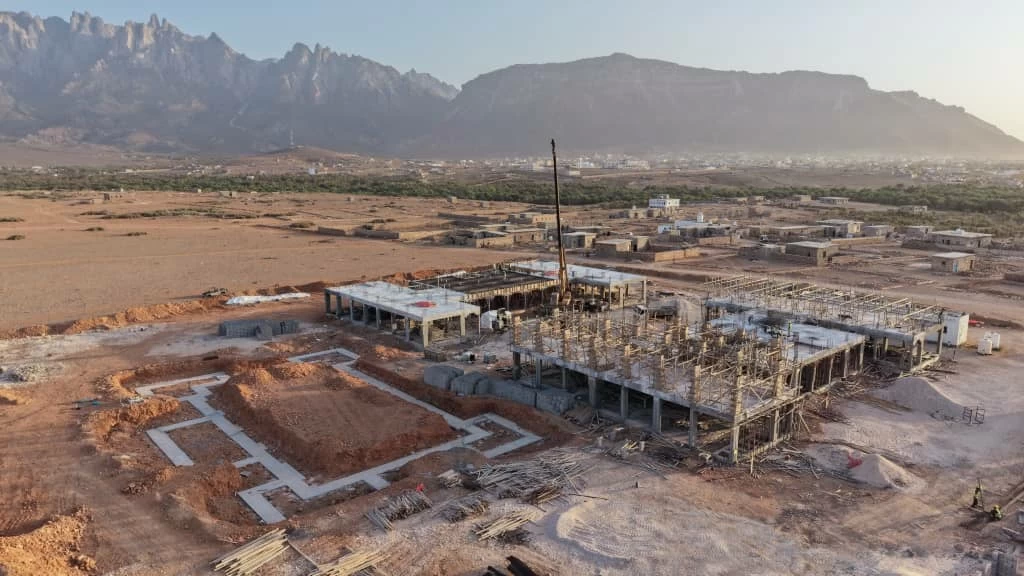
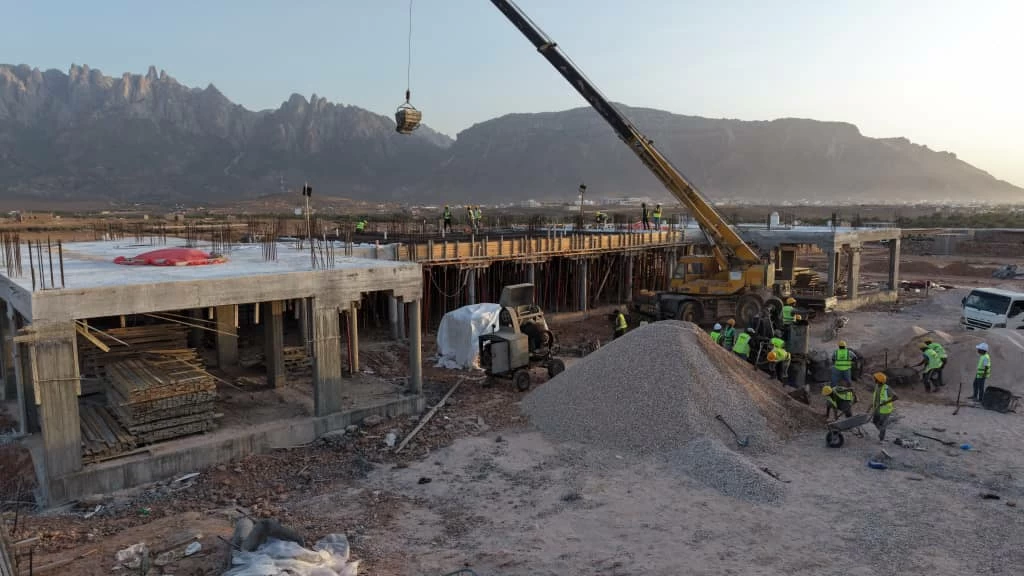
بدعم سخي وكريم من المملكة العربية السعودية، يشهد قطاع التعليم العالي في أرخبيل سقطرى نقلة إستراتيجية كبرى، وتتواصل بوتيرة متسارعة أعمال «البرنامج السعودي لتنمية وإعمار اليمن» لإنشاء مبنى كلية التربية والعلوم الإنسانية والتطبيقية على مساحة شاسعة تبلغ 19 ألف متر مربع؛ لتشكل صرحاً أكاديمياً إستراتيجياً يسهم في تأهيل الكفاءات اليمنية، وتوسيع فرص الالتحاق بالتعليم الجامعي في بيئة تعليمية مستقرة وحديثة.
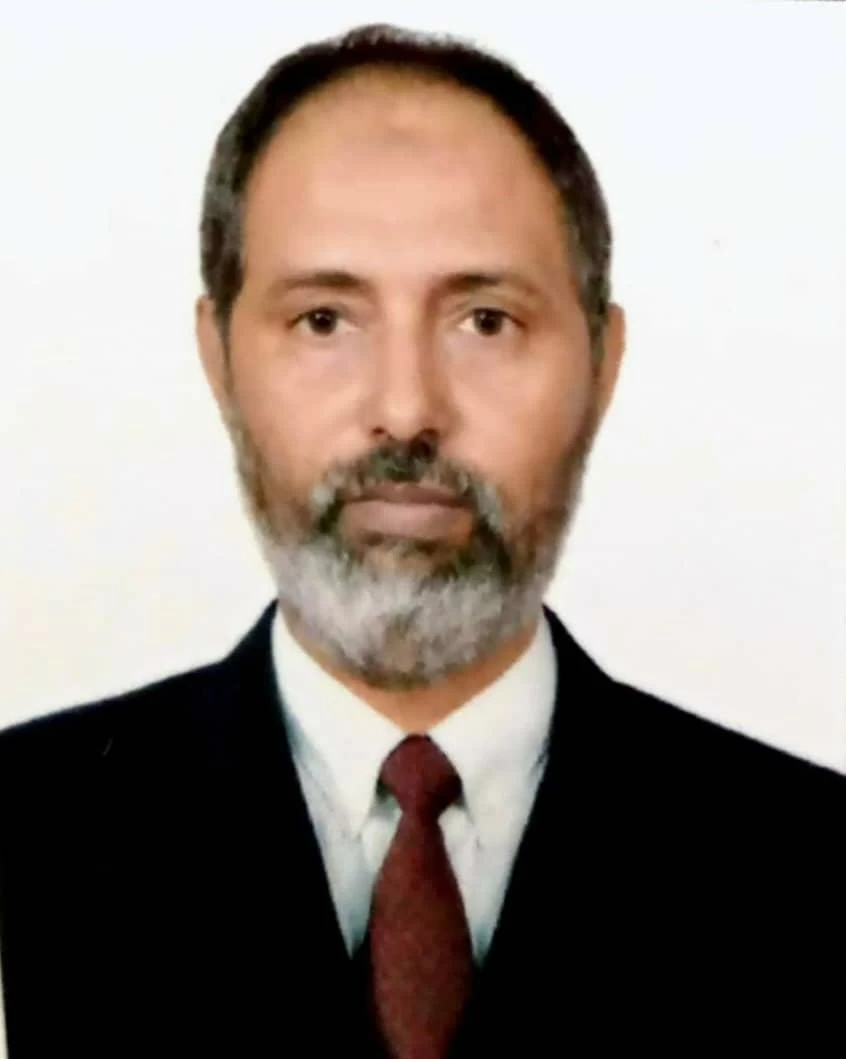
وأكد عميد كلية التربية والعلوم الإنسانية والتطبيقية بسقطرى الدكتور سعد عامر، في تصريح لـ«عكاظ»، أن مشروع إنشاء مبنى الكلية بدعم كريم من المملكة العربية السعودية، وعبر ذراعها التنموي «البرنامج السعودي لتنمية وإعمار اليمن»، يمثل نقلة نوعية وإستراتيجية في مسيرة التعليم الأكاديمي داخل الأرخبيل، ويعد الركيزة الأساسية والنواة الصلبة لاستقرار التعليم العالي، بعد عقود من اعتماد الكلية على المباني المستأجرة.
جسر للتنمية المعرفية
وأوضح الدكتور عامر أن هذا المشروع يأتي كاستجابة حقيقية وعميقة لمتطلبات التنمية المستدامة في سقطرى، ويجسد الدعم السعودي الأخوي كجسر للتنمية المعرفية، مما يعكس إدراكاً عميقاً من الأشقاء في المملكة لدور التعليم باعتباره القاطرة الأساسية للنهضة الاقتصادية والاجتماعية.
وأضاف: «المشروع الذي يقام على مساحة 19 ألف متر مربع يحمل أهمية بالغة تتجاوز مجرد بناء جدران؛ إذ يمثل النواة الحقيقية لإنشاء (جامعة سقطرى الحكومية) التي يتطلع إليها أبناء الأرخبيل بفارغ الصبر، وهو ما يضمن انعكاسات إستراتيجية على منظومة التعليم العالي عبر توطين التعليم، وإنهاء المعاناة التاريخية والمشاق التي يتكبدها طلاب وطالبات سقطرى جراء السفر الطويل والخطير بحثاً عن فرص التعليم الجامعي في المحافظات الأخرى، ممهداً الطريق لاستمرارية التحصيل العلمي للشباب السقطري في بيئة أكاديمية آمنة ومستقرة».
وأشار عميد الكلية في تصريحه إلى أن الكلية تسعى لاستثمار هذا المبنى فور إنجازه لتخريج كوادر وطنية مؤهلة تلبي الاحتياجات الفعلية لسوق العمل المحلي، ولا سيما في المجالات التربوية والتنموية المستدامة، مع التركيز على دمج العلوم الإنسانية والتطبيقية بما يتناسب مع الطبيعة البيئية والفريدة للأرخبيل، وسد الفجوة المهارية لدى الشباب.
وأضاف «المشروع الجاري العمل فيه حالياً يوفر بنية تحتية تعليمية حديثة وفق معايير أكاديمية متطورة تتماشى مع رؤية البرنامج السعودي لتنمية وإعمار اليمن في دعم المؤسسات التعليمية اليمنية، مما يرفع من تنافسية الخريجين في سوق العمل، مضيفاً إن هذا الصرح بالنسبة لنا ليس مجرد مبنى ومرافق دراسية، بل هو (مركز إشعاع حضاري) يمنح الكلية هويتها المؤسسية المتكاملة، ويحقق لها الاستقرار الإداري والأكاديمي اللازم لتقديم برامج تعليمية ذات جودة عالية».
محفز للابتكار وشراكة إستراتيجية
ولفت الدكتور عامر إلى أن البيئة التعليمية المتطورة التي يوفرها المشروع ستكون محفزاً رئيسياً للابتكار، وتشجيع البحث العلمي، ودعم الابتكار في العلوم التطبيقية المرتبطة ببيئة سقطرى الحيوية، معتبراً المشروع عنواناً بارزاً لمتانة وعمق العلاقات اليمنية - السعودية، وتأكيداً مستمراً على التزام المملكة بتمكين الشباب اليمني وتوفير أدوات المستقبل بين أيديهم.
وأضاف: «إننا إذ نثمن عالياً هذه الجهود الجبارة للبرنامج السعودي لتنمية وإعمار اليمن، نؤكد أن هذا المشروع سيظل شاهداً حياً عبر الأجيال على رؤية المملكة الطموحة في بناء الإنسان، وسيمثل نقطة انطلاق جوهرية نحو مستقبل تعليمي مشرق لأبناء سقطرى، يساهم في دفع عجلة التنمية الشاملة التي ينشدها الوطن».
واختتم عميد الكلية تصريحه بالشكر والتقدير لخادم الحرمين الشريفين الملك سلمان بن عبدالعزيز، وولي عهده رئيس مجلس الوزراء الأمير محمد بن سلمان، ولحكومة المملكة والشعب السعودي الكريم، مثمناً في الوقت ذاته الدور القيادي والمتابعة المستمرة لسفير خادم الحرمين الشريفين لدى اليمن، المشرف العام على البرنامج السعودي لتنمية وإعمار اليمن السفير محمد سعيد آل جابر، وكافة القائمين على البرنامج في أرخبيل سقطرى الذين ذللوا الصعاب لمتابعة هذا المشروع واعتماده وتنفيذه على أرض الواقع.
With generous and gracious support from the Kingdom of Saudi Arabia, the higher education sector in the Socotra Archipelago is witnessing a major strategic transformation, and the work of the "Saudi Program for the Development and Reconstruction of Yemen" is continuing at a rapid pace to establish a building for the College of Education, Humanities, and Applied Sciences on a vast area of 19,000 square meters; to form a strategic academic edifice that contributes to qualifying Yemeni competencies and expanding opportunities for enrollment in higher education in a stable and modern educational environment.
Dr. Saad Amer, the Dean of the College of Education, Humanities, and Applied Sciences in Socotra, confirmed in a statement to "Okaz" that the project to establish the college building, with generous support from the Kingdom of Saudi Arabia, and through its developmental arm "the Saudi Program for the Development and Reconstruction of Yemen," represents a qualitative and strategic leap in the journey of academic education within the archipelago, and is considered the cornerstone and solid nucleus for the stability of higher education, after decades of the college relying on rented buildings.
A Bridge for Knowledge Development
Dr. Amer explained that this project comes as a genuine and profound response to the requirements of sustainable development in Socotra, and embodies the fraternal Saudi support as a bridge for knowledge development, reflecting a deep understanding from our brothers in the Kingdom of the role of education as the primary engine for economic and social renaissance.
He added: "The project, which is being built on an area of 19,000 square meters, carries immense importance that goes beyond merely constructing walls; it represents the true nucleus for establishing (Socotra Government University) that the people of the archipelago eagerly anticipate, which ensures strategic reflections on the higher education system through localizing education and ending the historical suffering and hardships faced by Socotra's students in their long and dangerous travel in search of university education opportunities in other governorates, paving the way for the continuity of scientific attainment for the youth of Socotra in a safe and stable academic environment."
Dr. Amer pointed out in his statement that the college seeks to invest in this building as soon as it is completed to graduate qualified national cadres that meet the actual needs of the local labor market, especially in the fields of education and sustainable development, with a focus on integrating the humanities and applied sciences in a manner that suits the unique environmental nature of the archipelago, and bridging the skills gap among the youth.
He added, "The ongoing project currently provides modern educational infrastructure according to advanced academic standards that align with the vision of the Saudi Program for the Development and Reconstruction of Yemen in supporting Yemeni educational institutions, which enhances the competitiveness of graduates in the labor market. He added that this edifice for us is not just a building and study facilities, but it is a (center of civilizational radiance) that gives the college its integrated institutional identity and achieves the necessary administrative and academic stability to provide high-quality educational programs."
A Catalyst for Innovation and Strategic Partnership
Dr. Amer pointed out that the advanced educational environment provided by the project will be a major catalyst for innovation, encouraging scientific research, and supporting innovation in applied sciences related to the vital environment of Socotra, considering the project a prominent symbol of the strength and depth of Yemeni-Saudi relations, and a continuous affirmation of the Kingdom's commitment to empowering Yemeni youth and providing the tools of the future in their hands.
He added: "As we highly appreciate these tremendous efforts of the Saudi Program for the Development and Reconstruction of Yemen, we affirm that this project will remain a living testament across generations to the Kingdom's ambitious vision in building human capital, and will represent a fundamental starting point towards a bright educational future for the people of Socotra, contributing to driving the comprehensive development that the homeland aspires to."
Dr. Amer concluded his statement by expressing gratitude and appreciation to the Custodian of the Two Holy Mosques King Salman bin Abdulaziz, and to his Crown Prince, the Prime Minister Prince Mohammed bin Salman, and to the Government of the Kingdom and the generous Saudi people, while also appreciating the leadership role and continuous follow-up of the Ambassador of the Custodian of the Two Holy Mosques to Yemen, the General Supervisor of the Saudi Program for the Development and Reconstruction of Yemen, Ambassador Mohammed Saeed Al-Jaber, and all those involved in the program in the Socotra Archipelago who have overcome obstacles to follow up on this project, approve it, and implement it on the ground.