أعادت الحكومة التايلندية إحياء مشروع (الجسر البري) الضخم الذي يهدف إلى إنشاء ممر لوجستي يربط بين ساحلي البلاد الشرقي والغربي، في خطوة تسعى من خلالها إلى تقديم بديل جزئي لمضيق ملقا، أحد أكثر الممرات البحرية ازدحامًا وأهمية في العالم.
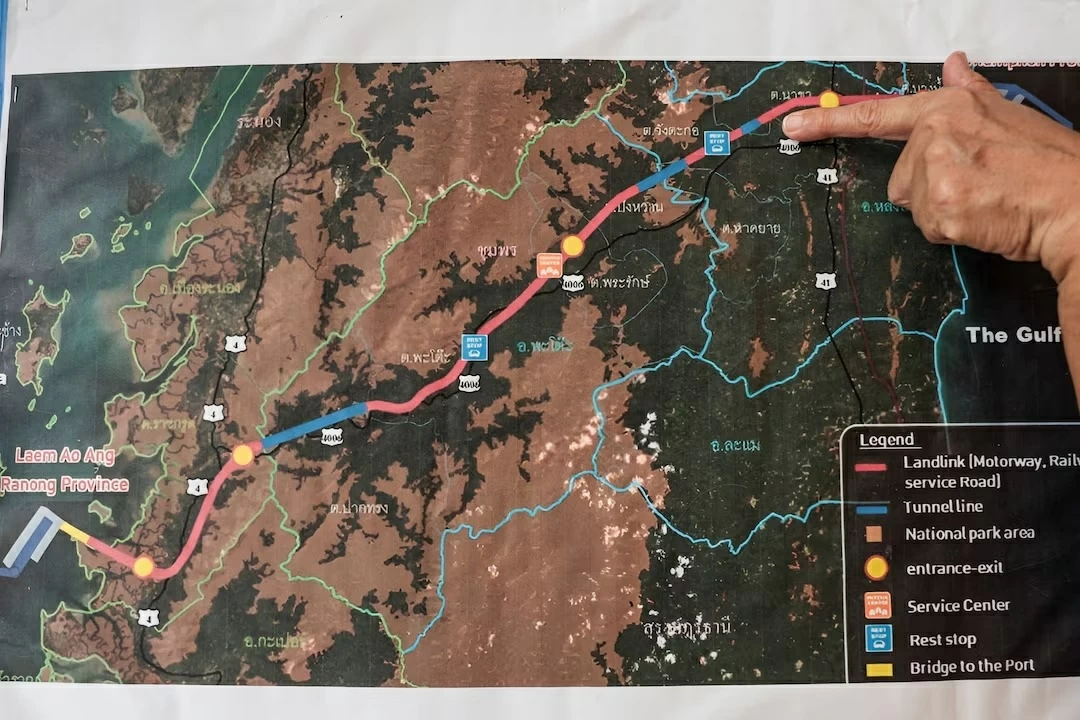
وتقدر تكلفة المشروع بنحو تريليون بات تايلندي (أكثر من 30 مليار دولار)، ويشمل إنشاء ميناءين عميقين جديدين؛ أحدهما في إقليم تشومفون على خليج تايلند شرقًا، والآخر في إقليم رانونغ المطل على بحر أندامان غربًا، إضافة إلى شبكة سكك حديدية وطرق سريعة تربط بين الميناءين.
غير أن المشروع يواجه معارضة متزايدة من السكان المحليين الذين يخشون فقدان مصادر رزقهم التقليدية، خاصة في مجتمعات الصيد والزراعة الواقعة على امتداد المسار المقترح.
وتروّج الحكومة للمشروع باعتباره فرصة إستراتيجية لتقليل الاعتماد على مضيق ملقا الذي يربط شرق آسيا بالشرق الأوسط وأوروبا، كما تؤكد أن الممر الجديد قد يخفّض تكاليف الشحن بنسبة تقارب 30% ويقلص زمن نقل البضائع بما يصل إلى أسبوعين لبعض الخطوط التجارية بين جنوب الصين وموانئ المحيط الهندي.
ويعتمد المشروع على خط سكة حديد قياسي يمتد لمسافة 90 كيلومترًا بين الميناءين، مع قدرة استيعابية تصل إلى 20 مليون حاوية سنويًا، إلى جانب ربطه بشبكة النقل الوطنية والطرق السريعة.
ورغم هذه التوقعات المتفائلة، يرى خبراء بحسب (رويترز)، أن المشروع يواجه عقبات كبيرة تتعلق بالجدوى الاقتصادية، فالممر المقترح يتطلب تفريغ الحاويات من السفن في أحد الميناءين، ونقلها برًا، ثم إعادة شحنها على سفن أخرى في الميناء المقابل، وهو ما يزيد من التعقيدات اللوجستية مقارنة بالمرور المباشر عبر مضيق ملقا.
ويعتقد محللون أن المشروع قد لا يتمكن من منافسة مضيق ملقا كمركز عالمي رئيسي للتجارة البحرية، لكنه قد يتحول إلى ممر استراتيجي يخدم المصالح الاقتصادية والأمنية التايلندية على نطاق إقليمي.
كما تواجه الحكومة تحديًا آخر يتمثل في جذب المستثمرين. فحتى الآن لا تزال الشركات الكبرى تتعامل بحذر مع المشروع بسبب تكلفته الضخمة وعدم وضوح الإطار التنظيمي النهائي، إضافة إلى المخاوف المرتبطة بالعوائد الاستثمارية طويلة الأجل.
ويضيف البعد الجيوسياسي مزيدًا من التعقيد، إذ تحاول بانكوك تحقيق توازن دقيق بين القوى الإقليمية والدولية المهتمة بالمشروع، خصوصًا الصين، التي قد تسعى للحصول على دور تشغيلي مؤثر في حال مشاركتها في التمويل، وهو ما قد يثير حساسيات سياسية داخل تايلند.
وعلى الأرض، تتسع دائرة الرافضين للمشروع، ففي منطقة فاتو الزراعية، التي تشتهر بمزارع الدوريان والبن، يتساءل السكان عن الحاجة إلى هذا المستوى من التصنيع والتوسع اللوجستي، ويؤكد بعضهم أن الأنشطة الزراعية الحالية تحقق عوائد اقتصادية كبيرة دون الحاجة إلى تغييرات جذرية في طبيعة المنطقة.
وتلقى المشروع مؤخرًا انتكاسة جديدة بعدما أمرت الجهات التنظيمية بإجراء دراسة جديدة بالكامل لتقييم الآثار البيئية والصحية، عقب ظهور تباينات كبيرة بين الدراسات الحكومية والخاصة بشأن كثافة الحياة البحرية في المناطق المخصصة للموانئ الجديدة.
ويرى مراقبون أن المعارضة المحلية قد لا تكون كافية وحدها لإيقاف مشروع بهذا الحجم، لكنها قادرة على إبطاء الإجراءات التنظيمية وزيادة مخاطر الاستثمار، وهو ما قد يؤثر على فرص تنفيذه خلال السنوات القادمة.
وبين الطموحات الاقتصادية الكبرى والمخاوف البيئية والاجتماعية، يبقى مستقبل (الجسر البري) التايلندي مرهونًا بقدرة الحكومة على إقناع المستثمرين والسكان المحليين بأن المكاسب المحتملة تستحق التكلفة والتضحيات المطلوبة.
The Thai government has revived the massive (land bridge) project aimed at creating a logistics corridor connecting the country's eastern and western coasts, in a move to provide a partial alternative to the Strait of Malacca, one of the busiest and most important maritime passages in the world.
The project's estimated cost is around one trillion Thai baht (over 30 billion dollars), and it includes the construction of two new deep-sea ports; one in Chumphon Province on the Gulf of Thailand to the east, and the other in Ranong Province overlooking the Andaman Sea to the west, in addition to a railway network and highways connecting the two ports.
However, the project faces increasing opposition from local residents who fear losing their traditional livelihoods, especially in fishing and farming communities along the proposed route.
The government promotes the project as a strategic opportunity to reduce dependence on the Strait of Malacca, which connects East Asia with the Middle East and Europe, and it asserts that the new corridor could reduce shipping costs by nearly 30% and shorten the transit time for goods by up to two weeks for certain trade routes between southern China and Indian Ocean ports.
The project relies on a standard railway line extending 90 kilometers between the two ports, with a capacity of up to 20 million containers annually, along with its connection to the national transport network and highways.
Despite these optimistic projections, experts, according to (Reuters), believe that the project faces significant obstacles related to economic feasibility, as the proposed corridor requires unloading containers from ships at one of the ports, transporting them overland, and then reloading them onto other ships at the opposite port, which adds logistical complexities compared to direct passage through the Strait of Malacca.
Analysts believe that the project may not be able to compete with the Strait of Malacca as a major global maritime trade hub, but it could turn into a strategic corridor serving Thai economic and security interests on a regional scale.
The government also faces another challenge in attracting investors. So far, major companies remain cautious about the project due to its enormous cost and the lack of clarity regarding the final regulatory framework, in addition to concerns related to long-term investment returns.
The geopolitical dimension adds further complexity, as Bangkok tries to strike a delicate balance between regional and international powers interested in the project, especially China, which may seek to gain a significant operational role if it participates in financing, potentially raising political sensitivities within Thailand.
On the ground, the circle of opponents to the project is widening; in the agricultural area of Phatthalung, known for its durian and coffee farms, residents question the need for such a level of manufacturing and logistical expansion, with some asserting that current agricultural activities yield significant economic returns without the need for radical changes to the nature of the area.
The project recently faced a new setback after regulatory authorities ordered a completely new study to assess the environmental and health impacts, following significant discrepancies between government and private studies regarding marine life density in the areas designated for the new ports.
Observers believe that local opposition alone may not be sufficient to halt a project of this magnitude, but it can slow down regulatory processes and increase investment risks, which could affect its implementation chances in the coming years.
Between major economic ambitions and environmental and social concerns, the future of the Thai (land bridge) remains contingent on the government's ability to convince investors and local residents that the potential gains are worth the costs and sacrifices required.