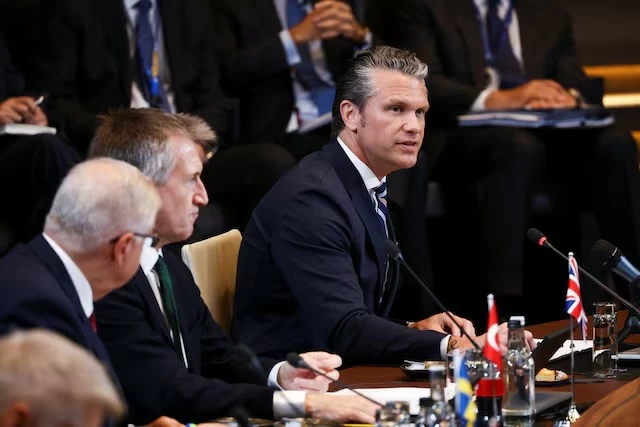
أعلن وزير الدفاع الأمريكي بيت هيغسيث، عن إطلاق مراجعة شاملة للوجود العسكري الأمريكي في أوروبا، في خطوة تعكس توجه واشنطن نحو إعادة توزيع أعبائها الدفاعية العالمية ودفع الحلفاء الأوروبيين لتحمل مسؤولية أكبر في حماية القارة.
وخلال اجتماع لوزراء دفاع دول حلف شمال الأطلسي (الناتو) في بروكسل، أوضح هيغسيث أن المراجعة ستستمر لمدة تصل إلى ستة أشهر، وستُجرى بالتشاور مع الكونغرس الأمريكي الذي يحدد حدًا أدنى لعدد القوات الأمريكية المنتشرة في أوروبا.
ورغم أنه لم يعلن صراحة عن خفض وشيك للقوات الأمريكية، فإن تصريحاته أوحت بإمكانية إعادة النظر في حجم الانتشار العسكري الحالي، مؤكداً أن الهدف يتمثل في ضمان قدرة الولايات المتحدة على الوفاء بالتزاماتها العالمية، بالتوازي مع دفع الدول الأوروبية إلى الاضطلاع بدور أكبر في الدفاع عن نفسها.
وقال هيغسيث إن المراجعة ستكون «حقيقية وشاملة»، وتهدف إلى ضمان انتقال الناتو إلى مرحلة تتولى فيها أوروبا القيادة الفعلية لمسؤولية الدفاع التقليدي عن القارة.
انتقادات للحلفاء
ووجه وزير الدفاع الأمريكي انتقادات لبعض الدول الحليفة التي لم تقدم الدعم الكامل للولايات المتحدة خلال الحرب مع إيران، مشيراً إلى أن بعض الحكومات رفضت منح القوات الأمريكية تسهيلات تتعلق باستخدام القواعد العسكرية أو حقوق التحليق الجوي المرتبطة بالعمليات العسكرية.
وأضاف أن المراجعة الحالية ستأخذ في الاعتبار مدى تعاون الدول الحليفة في توفير هذه التسهيلات مستقبلاً.
كما لوّح بإمكانية إعادة النظر في بعض المساهمات المالية الأمريكية داخل الحلف إذا استمرت بعض الدول في عدم الوفاء بالتزاماتها المتعلقة بزيادة الإنفاق الدفاعي، مؤكدًا أن واشنطن ستكون «صريحة وشفافة» في انتقاد الدول التي لا تحقق الأهداف المتفق عليها.
تقليص المساهمات العسكرية الأمريكية
وتأتي هذه التصريحات في وقت بدأت فيه الولايات المتحدة بالفعل تقليص بعض القدرات العسكرية التي تضعها تحت تصرف الناتو في حالات الطوارئ والأزمات.
وأكد الأمين العام لحلف الناتو، مارك روته، أن هذه التخفيضات دخلت حيز التنفيذ بالفعل، موضحاً أن الأمر يتعلق بأدوات تخطيط عسكرية، لكنه شدد في الوقت نفسه على أن جميع الدول الأعضاء، بما فيها الولايات المتحدة، ستسخر أقصى قدراتها إذا اندلع نزاع واسع النطاق.
وكانت واشنطن قد أبلغت حلفاءها الشهر الماضي بقرار تقليص جزء من القدرات العسكرية المخصصة لقوات الاستجابة التابعة للناتو، ما أثار تساؤلات واسعة داخل الحلف بشأن كيفية تعويض هذا النقص قبل القمة القادمة المقررة في أنقرة يومي 7 و8 يوليو.
أوروبا تتحرك لسد الفجوة
وبدأت بعض الدول الأوروبية بالفعل الإعلان عن مساهمات إضافية لتعويض جزء من القدرات الأمريكية التي سيتم تقليصها.
فقد أعلن وزير الدفاع البلجيكي ثيو فرانكن أن بلاده ستزيد مساهماتها في قوات الطوارئ التابعة للناتو، بما يشمل مقاتلات F-16 وطائرات مسيّرة من طراز MQ-9B SkyGuardian.
في المقابل، حذر وزير الدفاع الألماني بوريس بيستوريوس من مخاطر سحب القدرات الأمريكية بسرعة كبيرة قبل توفير بدائل أوروبية جاهزة، مشيراً إلى أن بعض الأنظمة العسكرية المتطورة، مثل الصواريخ بعيدة المدى وقدرات الضربات العميقة، لا يمكن تعويضها بسهولة أو في وقت قصير.
وأكد أن أوروبا قادرة على تعويض جزء كبير من النقص على المدى المتوسط، لكنها تحتاج إلى فترة انتقالية وتنسيق وثيق مع الولايات المتحدة لتجنب حدوث فجوات دفاعية قد تؤثر على أمن القارة.
خفض في الطائرات والمسيّرات
وبحسب معلومات عسكرية، تشمل التخفيضات الأمريكية تقليص عدد الطائرات المقاتلة والطائرات المسيّرة والسفن وطائرات التزويد بالوقود المتاحة لعمليات الناتو.
وتشير البيانات إلى أن عدد مقاتلات F-15 وF-15E المخصصة لدعم الحلف سينخفض بنحو الثلث ليصل إلى 99 طائرة، فيما سيتراجع عدد الطائرات المسيّرة من طرازي MQ-4 وMQ-9 إلى النصف تقريبًا ليبلغ 12 طائرة.
تحول استراتيجي
ويرى مراقبون أن الخطوة تعكس تحولًا استراتيجيًا داخل الإدارة الأمريكية يهدف إلى إنهاء ما تصفه واشنطن بـ«الاعتماد المفرط» للدول الأوروبية على القدرات العسكرية الأمريكية، خصوصاً في ظل تزايد التحديات الأمنية العالمية واحتمال مواجهة الولايات المتحدة أزمات متزامنة في أكثر من منطقة حول العالم.
وبينما تؤكد واشنطن استمرار التزامها بأمن الحلف، فإن الرسالة الأساسية التي خرج بها اجتماع بروكسل كانت واضحة: أوروبا مطالبة اليوم أكثر من أي وقت مضى بتحمل العبء الأكبر في الدفاع عن نفسها.
U.S. Defense Secretary Pete Hegseth announced the launch of a comprehensive review of the U.S. military presence in Europe, in a move that reflects Washington's shift towards redistributing its global defense burdens and urging European allies to take greater responsibility for protecting the continent.
During a meeting of NATO defense ministers in Brussels, Hegseth clarified that the review will last up to six months and will be conducted in consultation with the U.S. Congress, which sets a minimum number of U.S. troops deployed in Europe.
Although he did not explicitly announce an imminent reduction of U.S. forces, his statements suggested the possibility of reconsidering the current military deployment, emphasizing that the goal is to ensure the United States can meet its global commitments while pushing European nations to take on a larger role in defending themselves.
Hegseth stated that the review will be "real and comprehensive," aiming to ensure NATO transitions to a phase where Europe takes actual leadership in the traditional defense responsibilities of the continent.
Criticism of Allies
The U.S. Defense Secretary criticized some allied countries that did not provide full support to the United States during the war with Iran, noting that some governments refused to grant U.S. forces facilities related to using military bases or airspace rights associated with military operations.
He added that the current review will take into account the level of cooperation from allied countries in providing these facilities in the future.
He also hinted at the possibility of reconsidering some U.S. financial contributions within the alliance if certain countries continue to fail to meet their commitments regarding increased defense spending, stressing that Washington will be "candid and transparent" in criticizing countries that do not meet the agreed-upon goals.
Reduction of U.S. Military Contributions
These statements come at a time when the United States has already begun to reduce some military capabilities it provides to NATO for emergencies and crises.
NATO Secretary General Mark Rutte confirmed that these reductions have already taken effect, explaining that it concerns military planning tools, but he emphasized at the same time that all member states, including the United States, will mobilize their maximum capabilities if a large-scale conflict breaks out.
Washington had informed its allies last month of its decision to reduce part of the military capabilities allocated to NATO's response forces, raising widespread questions within the alliance about how to compensate for this shortfall before the upcoming summit scheduled in Ankara on July 7 and 8.
Europe Moves to Fill the Gap
Some European countries have already begun announcing additional contributions to compensate for some of the U.S. capabilities that will be reduced.
Belgian Defense Minister Theo Francken announced that his country will increase its contributions to NATO's emergency forces, including F-16 fighters and MQ-9B SkyGuardian drones.
In contrast, German Defense Minister Boris Pistorius warned of the risks of rapidly withdrawing U.S. capabilities before providing ready European alternatives, noting that some advanced military systems, such as long-range missiles and deep strike capabilities, cannot be easily or quickly replaced.
He confirmed that Europe is capable of compensating for a significant portion of the shortfall in the medium term, but it needs a transitional period and close coordination with the United States to avoid creating defense gaps that could affect the security of the continent.
Reduction in Aircraft and Drones
According to military information, the U.S. reductions include cutting the number of fighter jets, drones, ships, and refueling aircraft available for NATO operations.
Data indicates that the number of F-15 and F-15E fighters allocated to support the alliance will decrease by about one-third to 99 aircraft, while the number of MQ-4 and MQ-9 drones will be reduced by nearly half to 12 aircraft.
Strategic Shift
Observers see this move as reflecting a strategic shift within the U.S. administration aimed at ending what Washington describes as the "over-reliance" of European countries on U.S. military capabilities, especially in light of increasing global security challenges and the likelihood of the United States facing simultaneous crises in multiple regions around the world.
While Washington affirms its continued commitment to the security of the alliance, the key message emerging from the Brussels meeting was clear: Europe is called upon today more than ever to bear the greater burden of defending itself.