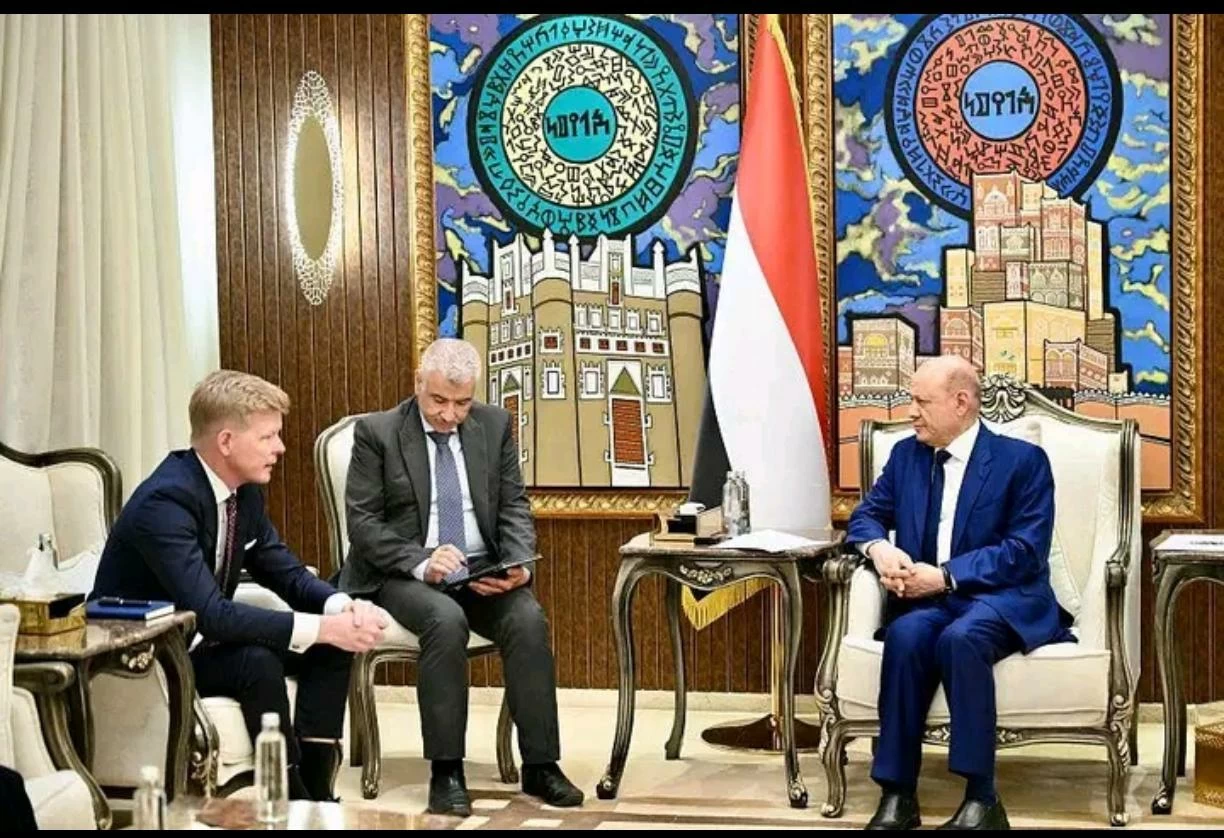
جدد رئيس مجلس القيادة الرئاسي اليمني الدكتور رشاد العليمي التزام مجلس الحكومة اليمنية بنهج السلام المستدام القائم على المرجعيات المتفق عليها وخصوصاً القرار 2216، الذي يعالج جذور المشكلة اليمنية، وليس مجرد هدنة تؤدي إلى إعادة إنتاج الصراع بصورة أكثر تعقيداً.
وأكد العليمي أن السلام المستدام لا يتحقق عبر توزيع السلطة بين الدولة والحوثيين، وإنما باستعادة المؤسسات الوطنية لسلطاتها الحصرية، وسيادة القانون، وتحقيق العدالة، واحترام الحقوق والحريات.
واتهم العليمي الحوثيين بمواصلة حملات الاعتقال والإخفاء القسري، والتجنيد، وانتهاك الحريات العامة، فضلاً عن الاستمرار في أعمال الاغتيالات، وتصفية الخصوم ومصادرة ممتلكاتهم، وقمع المجتمع المدني، مشدداً على ضرورة توثيق تلك الانتهاكات التي يجب أن تبقى جزءاً أساسياً من تقارير الأمم المتحدة، بوصفها أحد أهم معوقات إحلال السلام في اليمن والمنطقة.
وأشاد رئيس مجلس القيادة الرئاسي اليمني خلال لقائه المبعوث الخاص للأمم المتحدة إلى اليمن هانس غروندبرغ بالجهود التي تبذلها المملكة العربية السعودية لإحلال السلام باليمن، مثمناً الدور الذي قدمته سلطنة عمان واللجنة الدولية للصليب الأحمر، في مساندة جهود المملكة في إنجاز اتفاق الإفراج عن المحتجزين، باعتباره خطوة إنسانية مهمة تعيد الأمل إلى آلاف الأسر اليمنية.
وعبر العليمي عن أمله في أن يتم البناء على هذا الإنجاز، وعدم السماح لأي عراقيل أو مماطلات من جانب الحوثيين لإفراغه من مضمونه الإنساني.
وشدد العليمي على أهمية استيعاب المجتمع الدولي أن الأزمة في اليمن ليست خلافاً بين أطراف سياسية، بل مع جماعة مسلحة تنازع الدولة صلاحياتها الحصرية، مستعرضاً المستجدات المحلية وجهود الحكومة لتطبيع الأوضاع والتعاطي مع التحديات الراهنة والمضي في برنامج الإصلاحات المالية والإدارية والمؤسسية الشاملة.
وعبر رئيس مجلس القيادة عن تطلعه إلى دور أكثر فاعلية للأمم المتحدة في حشد الدعم الدولي لبرنامج الإصلاحات، وحماية المرجعيات الأساسية للحل الشامل، وعدم السماح بتحويل أي تفاهمات إنسانية إلى مكاسب سياسية أو عسكرية، فضلاً عن التعامل مع الترابط المتزايد بين الملف اليمني والتطورات الإقليمية باعتباره عاملاً أساسياً في أي مقاربة مستقبلية للسلام.
وحذر العليمي من أنه في كل يوم تتأخر استعادة مؤسسات الدولة، يزداد خطر تحول اليمن إلى منصة دائمة للصراعات الإقليمية، وتهديد الملاحة الدولية، والأمن الجماعي، الأمر الذي يستوجب وضوحاً أكثر في توصيف المشكلة، وحزماً أكبر في التعامل مع مسبباتها، ودعماً مستداماً للدولة اليمنية باعتبارها الضامن الوحيد للأمن والاستقرار.
وكان رئيس مجلس القيادة قد استمع من مبعوث الأمم المتحدة إلى إحاطة حول نتائج اتصالاته الأخيرة، خصوصاً في ما يتعلق بمساعي استكمال تنفيذ الاتفاق الذي تم التوصل إليه أخيراً للإفراج عن 1750 محتجزاً، فضلاً عن مستجدات جهوده المنسقة مع المجتمع الدولي لإحياء مسار السلام وفقاً لمرجعياته التي انقلبت عليها جماعة الحوثي.
The President of the Yemeni Presidential Leadership Council, Dr. Rashad Al-Alimi, renewed the Yemeni government's commitment to a sustainable peace approach based on the agreed-upon references, particularly Resolution 2216, which addresses the roots of the Yemeni problem, rather than merely a truce that leads to a more complicated reproduction of the conflict.
Al-Alimi emphasized that sustainable peace cannot be achieved through power-sharing between the state and the Houthis, but rather through the restoration of national institutions to their exclusive authorities, the rule of law, the achievement of justice, and the respect for rights and freedoms.
He accused the Houthis of continuing campaigns of arrest and enforced disappearance, recruitment, and violations of public freedoms, in addition to ongoing assassinations, eliminating opponents, confiscating their properties, and suppressing civil society, stressing the need to document these violations, which must remain an essential part of United Nations reports, as they are among the most significant obstacles to achieving peace in Yemen and the region.
The President of the Yemeni Presidential Leadership Council praised the efforts made by the Kingdom of Saudi Arabia to establish peace in Yemen during his meeting with the United Nations Special Envoy to Yemen, Hans Grundberg, commending the role played by the Sultanate of Oman and the International Committee of the Red Cross in supporting the Kingdom's efforts to finalize the agreement for the release of detainees, considering it an important humanitarian step that restores hope to thousands of Yemeni families.
Al-Alimi expressed his hope that this achievement would be built upon and that no obstacles or procrastination from the Houthis would be allowed to undermine its humanitarian essence.
He stressed the importance of the international community understanding that the crisis in Yemen is not a dispute between political parties, but rather with an armed group that challenges the state's exclusive powers, reviewing local developments and the government's efforts to normalize the situation, address current challenges, and proceed with a comprehensive program of financial, administrative, and institutional reforms.
The President of the Council expressed his aspiration for a more effective role for the United Nations in mobilizing international support for the reform program, protecting the fundamental references for a comprehensive solution, and preventing any humanitarian agreements from being turned into political or military gains, in addition to addressing the increasing interconnection between the Yemeni file and regional developments as a fundamental factor in any future approach to peace.
Al-Alimi warned that with each passing day of delay in restoring state institutions, the danger of Yemen becoming a permanent platform for regional conflicts and a threat to international navigation and collective security increases, which necessitates greater clarity in defining the problem, more firmness in addressing its causes, and sustained support for the Yemeni state as the only guarantor of security and stability.
The President of the Council had listened to a briefing from the UN envoy regarding the results of his recent communications, particularly concerning efforts to complete the implementation of the agreement recently reached for the release of 1,750 detainees, as well as updates on his coordinated efforts with the international community to revive the peace process according to its references that the Houthi group has overturned.