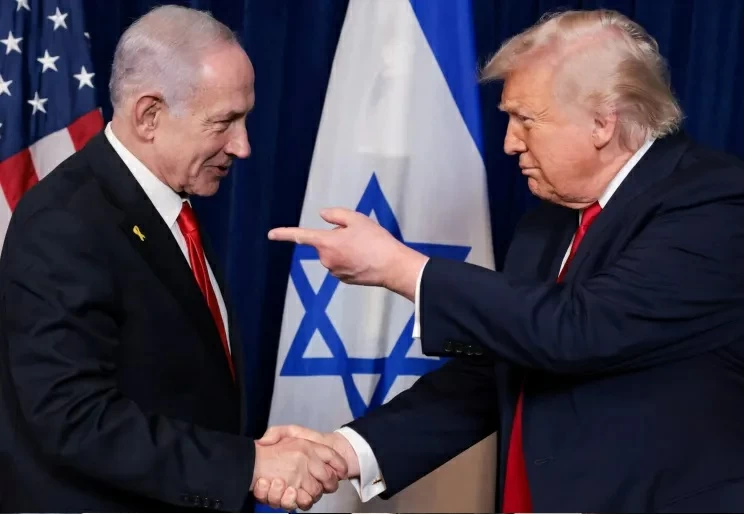
كشف مسؤولون أمريكيون، اليوم (الخميس)، عن خلاف وتضارب في المصالح بين خطط الرئيس الأمريكي دونالد ترمب ورئيس الوزراء الإسرائيلي بنيامين نتنياهو، وبينوا أن ترمب يريد إنهاء الحرب في لبنان، بينما نتنياهويريد استئنافها.
ونقل موقع «أكسيوس» عن مسؤولين أمريكيين كبيرين قولهما إنه بينما يريد الرئيس الأمريكي دونالد ترمب إنهاء الحرب في لبنان، يبدو أن رئيس الوزراء الإسرائيلي بنيامين نتنياهو يريد استئنافها.
خلافات ترمب ونتنياهو
وقال الموقع إن الخلاف الأخير بين نتنياهو وترمب بشأن لبنان أكد كيف أن أهدافه العسكرية وربما بقاءه السياسي يعتمد على رئيس أمريكي لا يشاركه الرغبة في التصعيد.
وذكر الموقع أن ترمب ونتنياهو نسقا بشكل وثيق للغاية بشأن إيران ويتحدثان بشكل شبه يومي، لكن المسؤولين من كلا الجانبين يدركون أنه قد يأتي وقت تتباين فيه مصالح الحليفين وأهدافهما، مبيناً أن البعض في معسكر نتنياهو يخشى أن يكون هذا الوقت قد حان.
وأقر السفير الإسرائيلي لدى الولايات المتحدة، يحيئيل لايتر، بوجود خلاف بين ترمب ونتنياهو لكنه قال «العشاق يتشاجرون أحياناً».
واعتبر لايتر أن ما يحدث بين ترمب ونتنياهو يجري تضخيمه في الإعلام، مضيفاً:«ربما حدثت بينهما مشادة صغيرة هذا الأسبوع، وهذا أمر طبيعي».
تراجع شعبية حزب نتنياهو
في الوقت ذاته، أظهر استطلاع رأي أجرته مؤسسة «أغام لابز» في الجامعة العبرية بإسرائيل، ونقلت نتائجه وكالة «رويترز»، تراجعاً حاداً في شعبية رئيس الوزراء الإسرائيلي بنيامين نتنياهو في شمال إسرائيل، مع تصاعد الانتقادات لأدائه على خلفية الحرب في لبنان.
وأفاد الاستطلاع بأن سكان الشمال يتخلون عن حزب «الليكود» الذي يتزعمه نتنياهو بوتيرة أسرع من الناخبين في مناطق أخرى، إذ قال 23% فقط من المشاركين إنهم سيصوتون للحزب في الانتخابات القادمة، مقارنة بـ35% حصل عليها في انتخابات عام 2022، كما سجلت الكتلة اليمينية التي تشكل ائتلاف نتنياهو تراجعاً إضافياً في مستوى التأييد بالمنطقة.
وأشار الاستطلاع إلى أن نحو 70% من الناخبين الذين شملهم المسح في شمال إسرائيل أعربوا عن استيائهم من طريقة إدارة الحرب في لبنان، في مؤشر على تنامي الانتقادات الموجهة للحكومة في المناطق الأكثر تأثراً بتداعيات المواجهة على الحدود الشمالية.
U.S. officials revealed today (Thursday) a conflict and clash of interests between the plans of U.S. President Donald Trump and Israeli Prime Minister Benjamin Netanyahu, indicating that Trump wants to end the war in Lebanon, while Netanyahu wants to resume it.
The website "Axios" quoted two senior U.S. officials as saying that while U.S. President Donald Trump wants to end the war in Lebanon, it seems that Israeli Prime Minister Benjamin Netanyahu wants to resume it.
Trump and Netanyahu's Disagreements
The site stated that the recent disagreement between Netanyahu and Trump regarding Lebanon highlighted how Netanyahu's military objectives and possibly his political survival depend on a U.S. president who does not share the desire for escalation.
It mentioned that Trump and Netanyahu have coordinated very closely on Iran and speak almost daily, but officials from both sides are aware that there may come a time when the interests and goals of the two allies diverge, noting that some in Netanyahu's camp fear that this time may have come.
Israeli Ambassador to the United States, Yair Lapid, acknowledged the existence of a disagreement between Trump and Netanyahu but said, "Lovers sometimes argue."
Lapid considered that what is happening between Trump and Netanyahu is being exaggerated in the media, adding, "Perhaps a small spat occurred between them this week, and that is normal."
Decline in Netanyahu's Party Popularity
At the same time, a poll conducted by the "Agam Labs" institute at the Hebrew University in Israel, the results of which were reported by Reuters, showed a sharp decline in the popularity of Israeli Prime Minister Benjamin Netanyahu in northern Israel, amid rising criticism of his performance in light of the war in Lebanon.
The poll indicated that residents of the north are abandoning Netanyahu's Likud party at a faster pace than voters in other areas, with only 23% of participants saying they would vote for the party in the upcoming elections, compared to 35% it received in the 2022 elections. The right-wing bloc forming Netanyahu's coalition also recorded an additional decline in support in the region.
The poll noted that about 70% of voters surveyed in northern Israel expressed their dissatisfaction with the way the war in Lebanon is being managed, indicating a growing criticism directed at the government in the areas most affected by the repercussions of the confrontation on the northern border.