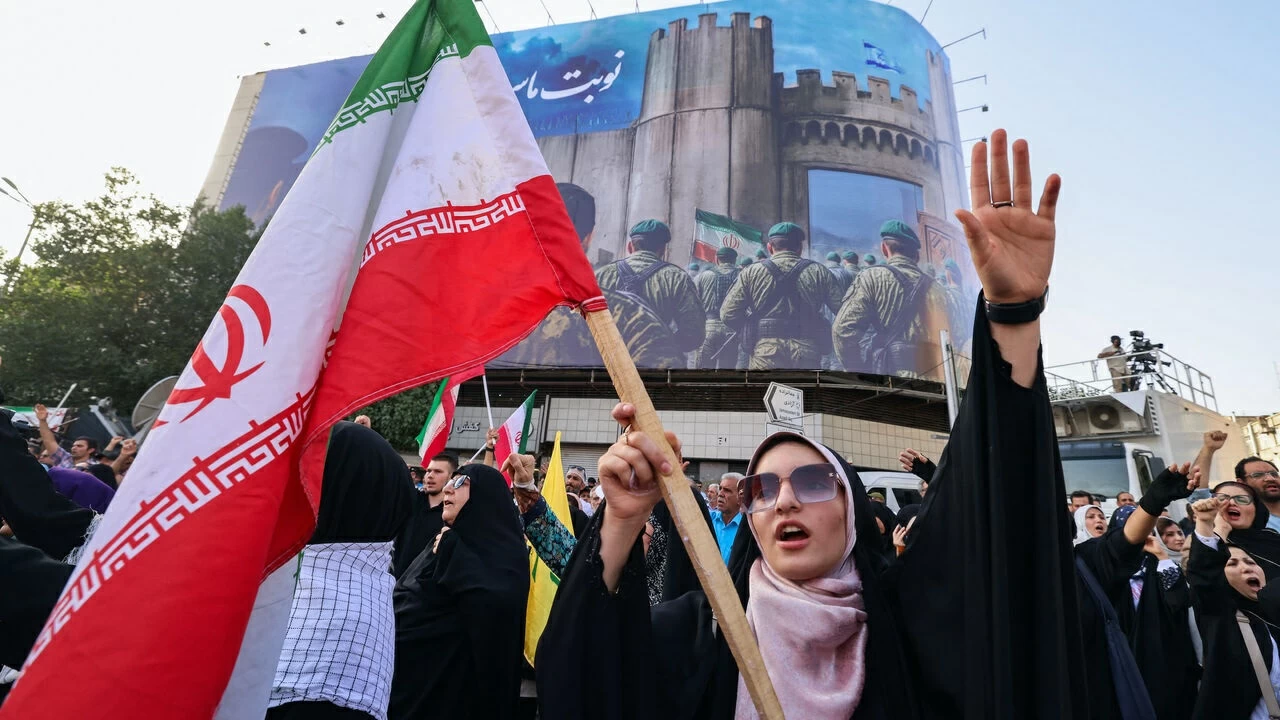
تتصاعد الخلافات داخل أروقة السلطة الإيرانية مع اقتراب واشنطن وطهران من تفاهم محتمل بشأن الملف النووي، وسط محاولات من التيار المحافظ المتشدد لعرقلة المفاوضات والضغط على المرشد الجديد مجتبى خامنئي لرفض أي تنازلات للولايات المتحدة.
وكشفت صحيفة «نيويورك تايمز» الأمريكية، نقلاً عن مسؤولين ومصادر إيرانية، أن هذا التيار المتشدد، ورغم أنه محدود العدد، إلا أن له صخباً في الحياة السياسية، وله أيضاً أعضاء في البرلمان ومقعد في المجلس الأعلى للأمن القومي، وهو يعارض أي تنازلات لواشنطن، مستخدماً التجمعات الشعبية ووسائل الإعلام الرسمية والتصريحات العامة والخاصة، كأدوات لمحاولة عرقلة الاتفاق، مؤكدة أنه لا يزال من غير الواضح متى سيتم الإعلان عن اتفاق فعلي بين الولايات المتحدة وإيران.
وأفادت الصحيفة بأن الرئيس الأمريكي دونالد ترمب أرجأ اتخاذ القرار النهائي عقب اجتماع استمر ساعتين مع أعضاء إدارته في غرفة العمليات بالبيت الأبيض أمس. وفي المقابل، أكد رئيس البرلمان الإيراني وكبير المفاوضين محمد باقر قاليباف أن بلاده لا تثق بواشنطن، مشدداً على أن طهران «لن تتخذ أي خطوة قبل أن يتحرك الطرف الآخر أولاً».
وأشارت الصحيفة إلى أن التلفزيون الرسمي الإيراني، الذي يديره مسؤولون محسوبون على التيار المتشدد، عمل على تصوير المفاوضات باعتبارها فاشلة، ما دفع الرئيس الإيراني مسعود بيزشكيان إلى انتقاد هذه التوجهات والدعوة إلى تجنب إثارة الانقسامات الداخلية.
وقال بزشكيان إن المرشد السابق علي خامنئي كان مقتنعاً بضرورة التفاوض، مضيفاً: «لكن الآن، نحن نروّج لفكرة أنه لا ينبغي التفاوض».
ونقلت «نيويورك تايمز» عن محللين مقربين من الحكومة الإيرانية أن المتشددين يمثلون أقلية سياسية، إلا أن تجاهلهم قد يخلق تحديات داخلية للنظام.
وقال المحلل مهدي رحمتي إن هذا التيار «لا يتحدث باسم غالبية الإيرانيين»، لكنه حذر من أن تركه دون احتواء قد يجعله «خطراً كبيراً على استقرار إيران».
وبحسب الصحيفة، فإن مجتبى خامنئي وقف إلى جانب فريق التفاوض، رافضاً الضغوط التي مارسها متشددون بارزون، وداعياً في بيان أخير أعضاء البرلمان إلى الحفاظ على الوحدة وتجنب «الانقسامات السياسية العبثية».
Disagreements are escalating within the corridors of Iranian power as Washington and Tehran approach a potential understanding regarding the nuclear file, amid attempts by the hardline conservative faction to obstruct negotiations and pressure the new Supreme Leader, Mojtaba Khamenei, to reject any concessions to the United States.
The American newspaper "The New York Times" revealed, citing Iranian officials and sources, that this hardline faction, although limited in number, has a significant presence in political life, with members in parliament and a seat on the Supreme National Security Council. It opposes any concessions to Washington, using public gatherings, official media, and public and private statements as tools to attempt to obstruct the agreement, emphasizing that it remains unclear when an actual agreement between the United States and Iran will be announced.
The newspaper reported that U.S. President Donald Trump postponed making a final decision following a two-hour meeting with his administration members in the White House Situation Room yesterday. In contrast, Iranian Parliament Speaker and chief negotiator Mohammad Baqer Qalibaf confirmed that his country does not trust Washington, stressing that Tehran "will not take any step before the other side moves first."
The newspaper noted that the Iranian state television, managed by officials aligned with the hardline faction, portrayed the negotiations as a failure, prompting Iranian President Masoud Pezeshkian to criticize these trends and call for avoiding internal divisions.
Pezeshkian stated that former Supreme Leader Ali Khamenei was convinced of the necessity of negotiations, adding: "But now, we are promoting the idea that negotiations should not take place."
"The New York Times" quoted analysts close to the Iranian government as saying that the hardliners represent a political minority, but ignoring them could create internal challenges for the regime.
Analyst Mehdi Rahmati stated that this faction "does not speak on behalf of the majority of Iranians," but warned that leaving them uncontained could make them "a significant threat to Iran's stability."
According to the newspaper, Mojtaba Khamenei stood by the negotiating team, rejecting the pressures exerted by prominent hardliners, and in a recent statement called on parliament members to maintain unity and avoid "absurd political divisions."