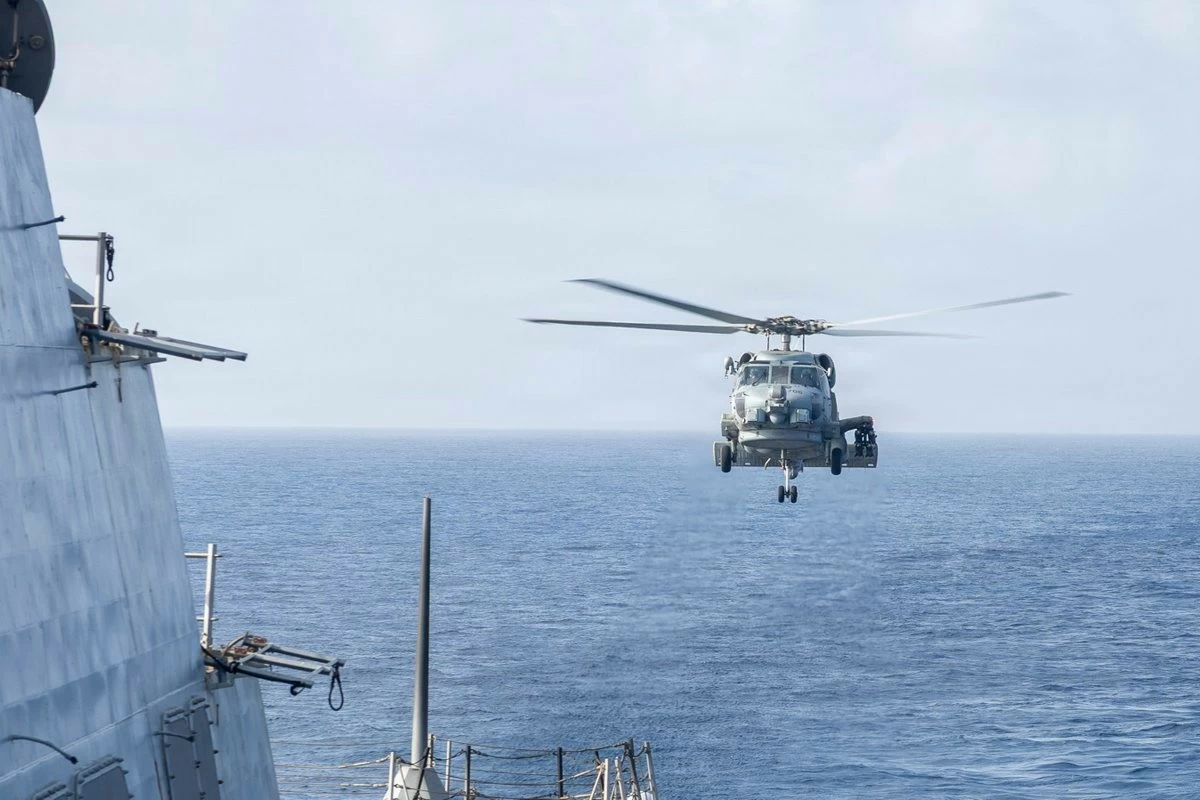
في تصعيد جديد يهدد بتقويض وقف إطلاق النار الهش، شنّ الجيش الأمريكي فجر اليوم (الخميس) ضربات جديدة ضد أهداف إيرانية في مدينة بندر عباس الساحلية، مستهدفاً وحدة تشغيل طائرات مسيّرة قال إنها كانت تستعد لتنفيذ هجمات ضد سفن أمريكية قرب مضيق هرمز.
وأكد مسؤول أمريكي أن القوات الأمريكية أسقطت أربع طائرات مسيّرة هجومية انتحارية اعتُبرت «تهديداً مباشراً» للملاحة الدولية، مشيراً إلى أن ضربة أخرى استهدفت محطة تحكم أرضية إيرانية كانت على وشك إطلاق طائرة خامسة. وشدد المسؤول على أن العمليات العسكرية «مدروسة ودفاعية بحتة»، وتهدف إلى حماية القوات الأمريكية والحفاظ على وقف إطلاق النار.
وفي المقابل، أعلن الحرس الثوري الإيراني أنه أطلق أعيرة تحذيرية تجاه أربع سفن حاولت عبور مضيق هرمز دون تنسيق مسبق مع طهران، مؤكداً الرد على الهجوم الأمريكي باستهداف قاعدة جوية أمريكية، من دون الكشف عن حجم الأضرار أو موقع القاعدة المستهدفة.
وأفادت وسائل إعلام إيرانية بسماع ثلاثة انفجارات شرقي مدينة بندر عباس نحو الساعة 1:30 فجراً بالتوقيت المحلي، بالتزامن مع تفعيل الدفاعات الجوية الإيرانية لعدة دقائق، وسط تحليق مكثف للطائرات المسيّرة في أجواء المنطقة.
ويُعد هذا الهجوم الأمريكي الثاني منذ إعلان وقف إطلاق النار، بعدما نفذت واشنطن، الإثنين الماضي، ضربات مشابهة جنوب إيران قالت إنها جاءت لحماية قواتها المنتشرة في المنطقة.
وامتد التوتر إلى الخليج، إذ أعلنت وزارة الدفاع الكويتية أن منظومات الدفاع الجوي تصدت لهجمات صاروخية وطائرات مسيّرة «معادية»، فيما أوضحت رئاسة الأركان الكويتية أن دوي الانفجارات الذي سُمع في بعض المناطق ناتج عن عمليات اعتراض ناجحة للأهداف الجوية.
وفي واشنطن، كشفت مصادر مطلعة في وزارة الحرب الأمريكية «البنتاغون» أن الإدارة الأمريكية تُعد قائمة جديدة تضم أهدافاً عسكرية إيرانية إضافية، تحسباً لاحتمال استئناف الرئيس الأمريكي دونالد ترمب عمليات عسكرية واسعة ضد إيران، مؤكدة أن أي ضربات قادمة ستكون «أكثر تعقيداً وأوسع نطاقاً».
وبحسب شبكة «إن بي سي نيوز»، فإن معظم الأهداف الإيرانية المتبقية أصبحت تعتمد على إستراتيجيات تمويه وانتشار سريع، فيما نُقل جزء كبير من القدرات العسكرية إلى مواقع محصنة تحت الأرض أو إلى منصات متحركة يصعب رصدها واستهدافها.
وتضم قائمة الأهداف الأمريكية المحتملة منصات إطلاق الصواريخ الباليستية المتحركة من طراز «شهاب» و«سجيل» و«خرمشهر»، إضافة إلى منشآت نووية وصاروخية محصنة، أبرزها منشأة «فوردو» الجبلية، فضلاً عن أنظمة الدفاع الجوي المتنقلة ومراكز تشغيل الطائرات المسيّرة.
كما تشمل الأهداف المحتملة أصولاً بحرية إيرانية منتشرة قرب مضيق هرمز وبندر عباس، من بينها زوارق هجومية سريعة ومنصات صواريخ مضادة للسفن، إلى جانب مراكز قيادة وسيطرة متنقلة ومستودعات أسلحة موزعة في عدة مناطق، في إطار إستراتيجية الانتشار اللامركزي التي تبنتها طهران عقب الموجة الأولى من الضربات الأمريكية والإسرائيلية.
In a new escalation that threatens to undermine the fragile ceasefire, the U.S. military launched new strikes early today (Thursday) against Iranian targets in the coastal city of Bandar Abbas, targeting a drone operation unit that it said was preparing to carry out attacks against U.S. ships near the Strait of Hormuz.
An American official confirmed that U.S. forces shot down four suicide attack drones that were considered a "direct threat" to international navigation, noting that another strike targeted an Iranian ground control station that was about to launch a fifth drone. The official emphasized that the military operations were "calculated and purely defensive," aimed at protecting U.S. forces and maintaining the ceasefire.
In contrast, the Iranian Revolutionary Guard announced that it fired warning shots at four ships that attempted to cross the Strait of Hormuz without prior coordination with Tehran, confirming a response to the U.S. attack by targeting a U.S. airbase, without disclosing the extent of the damage or the location of the targeted base.
Iranian media reported hearing three explosions east of Bandar Abbas around 1:30 AM local time, coinciding with the activation of Iranian air defenses for several minutes, amid intensive drone activity in the region's airspace.
This U.S. attack marks the second since the announcement of the ceasefire, following similar strikes carried out by Washington last Monday in southern Iran, which it said were aimed at protecting its forces deployed in the area.
Tensions have extended to the Gulf, as the Kuwaiti Ministry of Defense announced that air defense systems intercepted "hostile" missile and drone attacks, while the Kuwaiti General Staff clarified that the sound of explosions heard in some areas was due to successful interceptions of aerial targets.
In Washington, informed sources at the U.S. Department of Defense (the Pentagon) revealed that the U.S. administration is preparing a new list of additional Iranian military targets, in anticipation of the possibility that President Donald Trump may resume extensive military operations against Iran, confirming that any forthcoming strikes would be "more complex and broader in scope."
According to NBC News, most of the remaining Iranian targets have begun to rely on camouflage strategies and rapid deployment, while a significant portion of military capabilities has been moved to fortified underground sites or to mobile platforms that are difficult to detect and target.
The list of potential U.S. targets includes mobile launch platforms for ballistic missiles such as "Shahab," "Sijil," and "Khorramshahr," in addition to fortified nuclear and missile facilities, most notably the mountainous "Fordow" facility, as well as mobile air defense systems and drone operation centers.
Potential targets also include Iranian naval assets deployed near the Strait of Hormuz and Bandar Abbas, including fast attack boats and anti-ship missile platforms, along with mobile command and control centers and weapon depots distributed across several areas, as part of the decentralized deployment strategy adopted by Tehran following the first wave of U.S. and Israeli strikes.